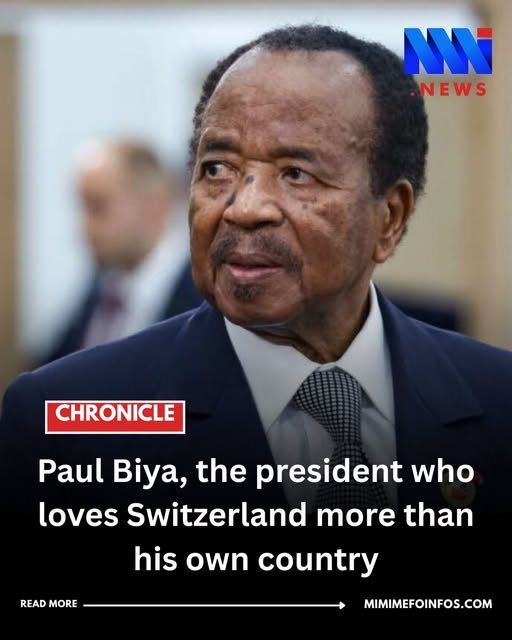
Paul Biya, a president who loves Switzerland more than his country
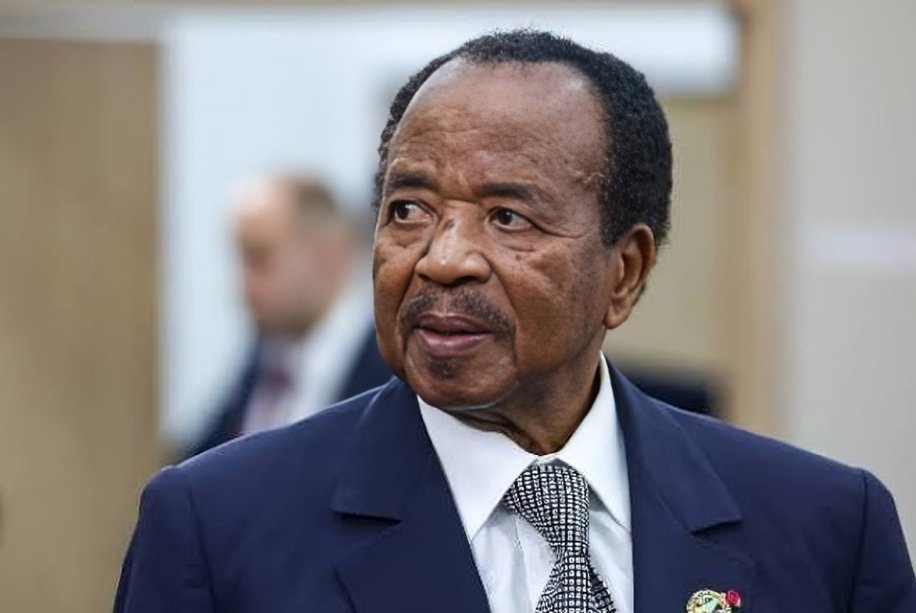
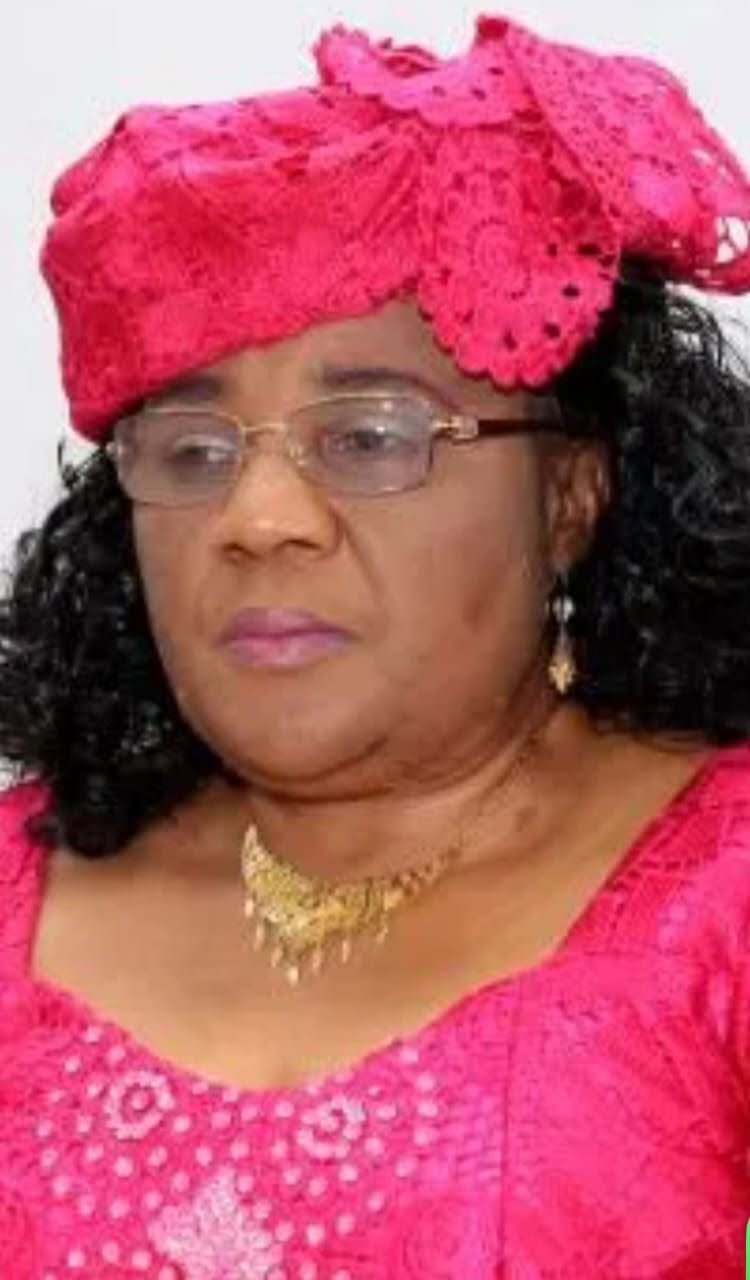
There is a style of governance that begins with a phrase every Cameroonian knows by heart: “a short private stay in Europe.” Since June 7, 2026, President Paul Biya and First Lady Chantal Biya have been staying in Geneva. Thirty-nine days later, there has still been no public appearance, no address, and no visible sign of activity from the Head of State. The initial government statement described the trip as brief. The reality has turned out to be quite the opposite.
Cameroonians have seen this scenario before. In October 2024, a similar stay lasted 42 days, fueling widespread speculation and even false rumors of the president’s death before he eventually reappeared without offering any real explanation for his prolonged absence. Now, after 39 days with no announced return, the country is once again approaching that record. Just a few more days, and history may repeat itself.
The issue is not the trip itself. Many heads of state seek medical treatment abroad, and few would fault them for doing so. What raises concerns is the silence that consistently surrounds these absences. There are no official health updates, no clear delegation of authority, and no direct communication with the public. Instead, the government releases a brief statement before a prolonged silence, occasionally issuing denials—such as insisting that “the president is not hospitalized”—without providing the transparency many citizens expect.
Meanwhile, members of the presidential family have continued their activities in Geneva. Reports indicate that the president’s younger brother has been hospitalized there, while his son, Junior Biya, celebrated his 31st birthday at the InterContinental Hotel. The family’s presence on the shores of Lake Geneva contrasts sharply with the daily reality of many Cameroonians, who struggle to access adequate healthcare. Several years ago, the investigative organization OCCRP estimated that the cumulative cost of President Biya’s stays in Switzerland since the 1980s amounted to tens of millions of euros—figures that have neither been officially disputed nor publicly explained by the authorities.
At 93 years old and in power since 1982, Paul Biya remains the world’s longest-serving sitting head of state. He now delivers substantive public addresses only twice a year: on December 31, for his New Year’s message to the nation, and on February 10, for Youth Day. Between those speeches, long periods of silence are often punctuated by private stays abroad that regularly outlast the annual leave granted to most employees.
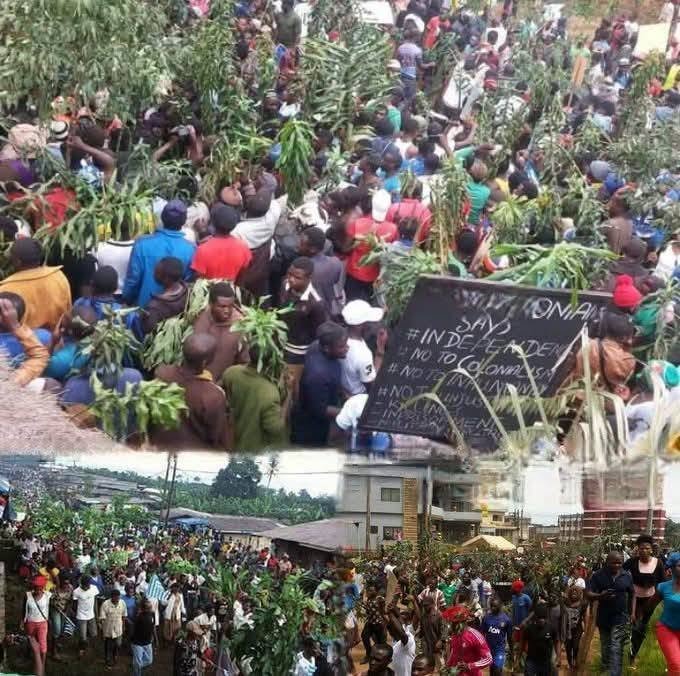
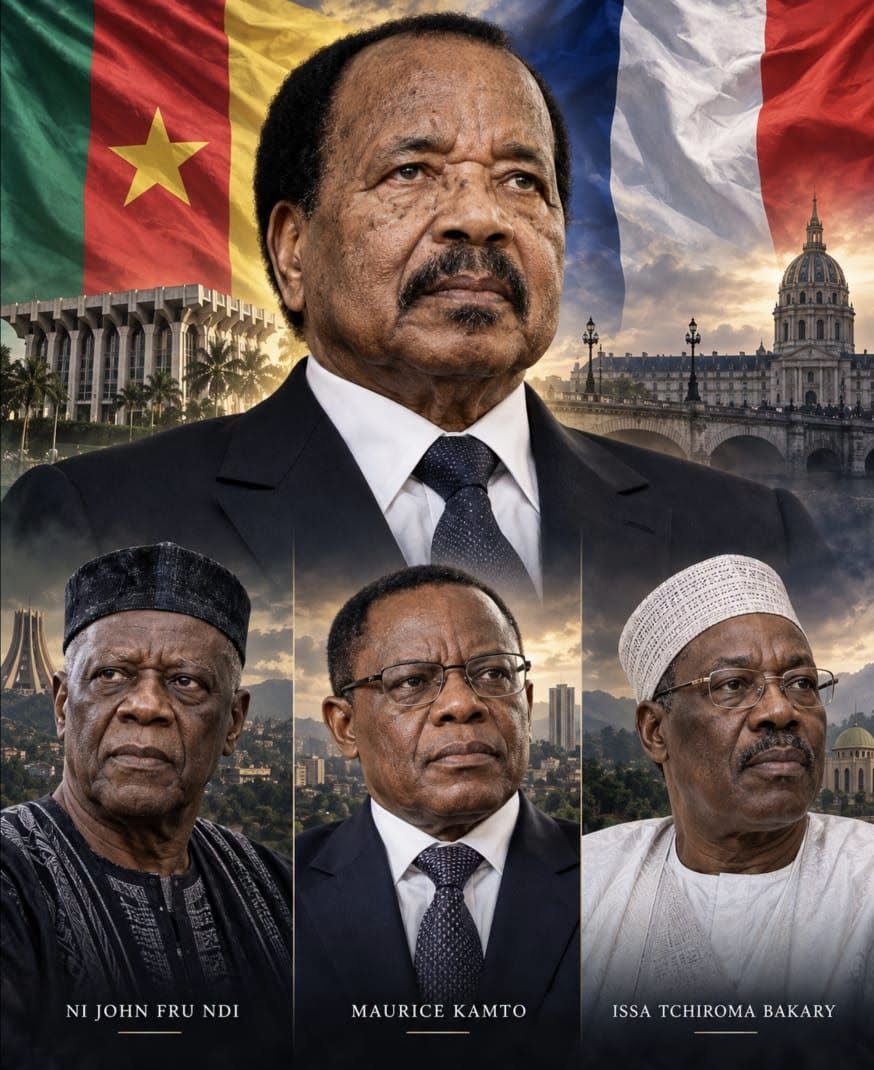
The question of succession remains just as opaque. Cameroon has no formally established vice presidency, no designated successor, and political factions continue to manoeuvre behind the scenes while the country waits. Earlier this month, an individual even entered the state broadcaster CRTV carrying a fake decree appointing a vice president—an incident reflecting the growing tensions that accompany every prolonged presidential absence.
Will Paul Biya surpass his own 42-day record? At the current pace, the answer may come within days. And with it comes a broader question that extends beyond the calendar itself: how long can a country continue to be governed from a hotel in Geneva without anyone openly confronting the issue?




Paul Biya, a president who loves Switzerland more than his country