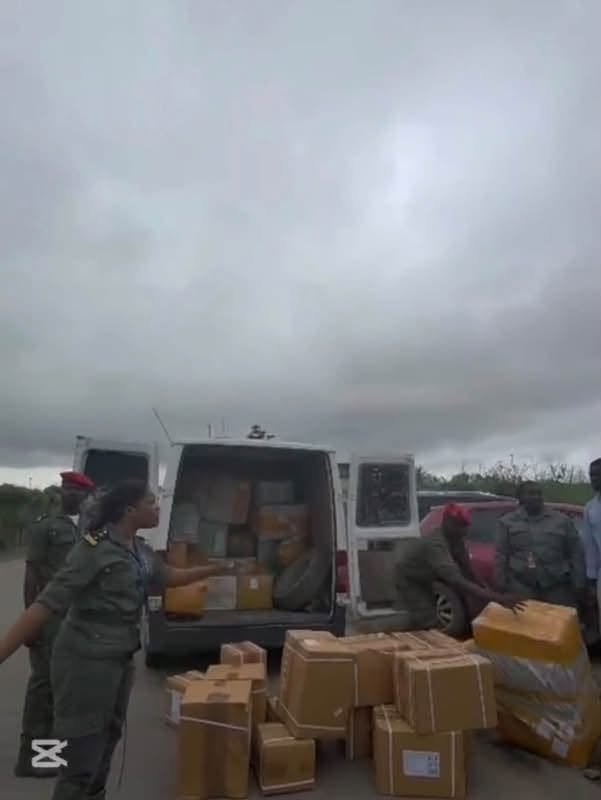
The arrest of individuals involved in human bone trafficking is a serious and sensitive matter. It is a reminder of the importance of law enforcement agencies in combating illegal activities that violate human rights and dignity. The recent arrest of two individuals in Douala for trafficking human bones is a case in point. Such incidents highlight the ongoing challenges faced by authorities in curbing illicit trade practices that exploit vulnerable populations and desecrate the sanctity of human remains.

The details of the case, as reported, indicate that the individuals were attempting to transport the bones from the North West to the Littoral region for commercial purposes. The interception of these traffickers by the Mobile Intervention Unit (GMI) in Douala showcases the vigilance and proactive measures taken by security forces to address such crimes. The use of deception to conceal the true nature of their cargo, by hiding the bones in bags of corn and garri, demonstrates the lengths to which traffickers will go to evade detection.
This incident serves as a stark reminder of the need for continued efforts to strengthen law enforcement capabilities and international cooperation to dismantle networks involved in such heinous activities. It also underscores the importance of community awareness and reporting, which can play a crucial role in aiding authorities to identify and stop trafficking operations.
The legal proceedings that follow such arrests are critical in ensuring that justice is served and that a strong message is sent to deter others from engaging in similar criminal behavior. The judicial system must deal with the accused in a manner that upholds the rule of law and respects human rights.
The broader implications of this case also touch upon the ethical considerations surrounding the treatment of human remains and the cultural and spiritual beliefs of communities. It is a reminder that beyond the legal dimensions, there is a moral obligation to protect the deceased’s dignity and the living’s sensitivities.
In conclusion, the arrest of the two human bone traffickers in Douala is a significant development in the fight against a disturbing form of criminal activity. It highlights the ongoing challenges and the need for vigilance, cooperation, and a strong legal framework to combat such violations of human rights and dignity. As the investigation continues, it is hoped that this case will contribute to a broader understanding and action against the trafficking of human remains.