

National identity card: in Cameroon, stamp duty increases by 257%
The Evolution of Cameroon’s National Identity Card System
In a significant development for Cameroon, the country’s national identity card system is undergoing a major transformation. The Delegate General for National Security, Martin Mbarga Nguele, has announced the introduction of a new biometric ID system that promises to issue cards within 48 hours, a stark contrast to the lengthy delays that have plagued the system for years.
This overhaul comes with an increased fee, which has seen the stamp duty for obtaining a national identity card rise by 257%. While this increase may seem steep, it is important to consider the improvements that come with it. The new system aims to double the number of national ID card registration centres from 280 to 548, significantly expanding access to the service across the country.
Moreover, the modernization includes the construction of enrollment centres in all ten regional capitals, equipped with at least 15 biometric capture desks each. This expansion is not just about numbers; it’s about efficiency and security. With over 700 fixed and 300 mobile kits to be installed in identification offices, the process of obtaining a national ID card will become more streamlined and secure.
The current system, which requires an official amount of XAF 2,800 (approximately US$4.50), is set to change with the new investment. Although the exact cost increase has not been disclosed, the Delegate General assures that the impact on the cost of the national ID card will be “reasonable and justified” considering the heavy investment envisaged by the government.
The contract for the project has been awarded to a collaboration between the German firm Augentic and the Portuguese state printer, INCM. This partnership is expected to bring a wealth of experience and technological expertise to the table, promising a future where Cameroonian citizens can enjoy a more efficient and reliable ID system.
The move to expedite the delivery of biometric ID cards aligns with the government’s commitment to address the long-standing issues of delayed issuance and bureaucratic hurdles. It also reflects a broader trend of digital transformation in governance, where countries are leveraging technology to improve public services.
As Cameroon takes this bold step towards modernizing its national identity card system, it sets an example for other nations grappling with similar challenges. The increase in stamp duty, while significant, is a testament to the country’s dedication to providing its citizens with a service that meets their needs in a timely and secure manner.
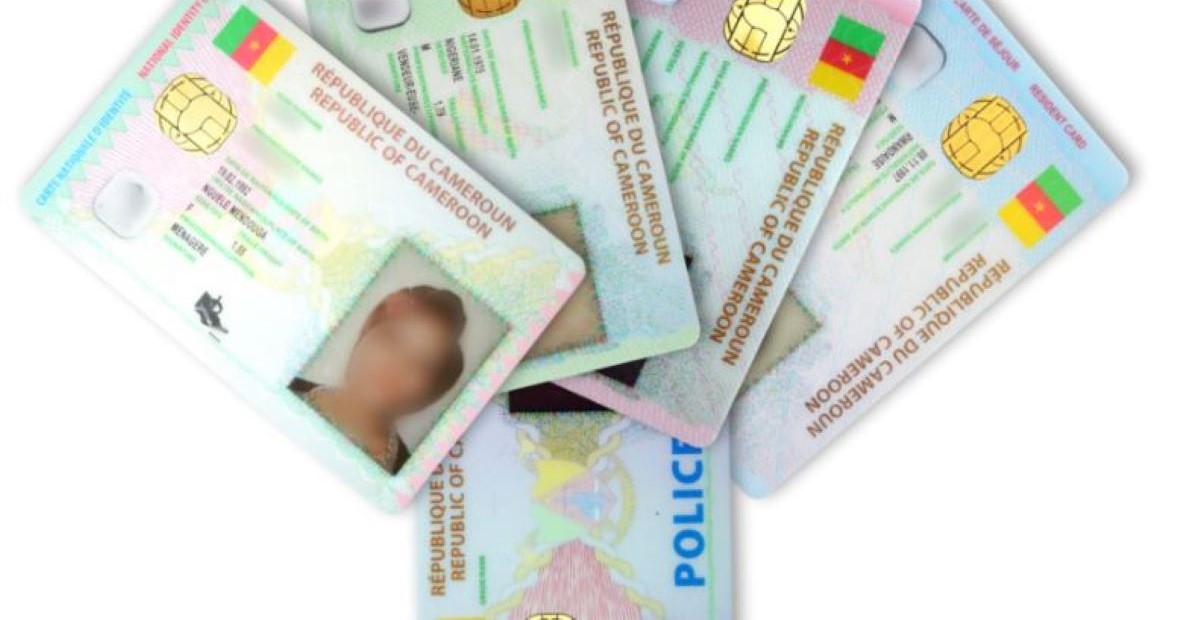
A new burden has just been added to the expenses of Cameroonians. This is the one relating to obtaining the National Identity Card (CNI). Indeed, in an order signed on June 20, 2024, the President of the Republic Paul Biya specifies that the stamp duty for the establishment of CNIs (as well as residence cards issued to foreigners) increases to 10,000 CFA francs. This new amount is an increase of 7,200 CFA francs (+257.1%) compared to the 2,800 CFA francs previously required of adult Cameroonians to obtain the precious sesame. Result of the races, it would now be necessary to pay around 15,000 CFA to have a CNI established (compared to less than 7,000 CFA before) when we know that there are other documents such as the certificate of nationality and the act of birth to be legalized.
The Head of State Paul Biya does not mention the reasons that could explain this increase, much less the sources contacted within the Police. But we still see that this readjustment comes a month after the General Delegate for National Security (Dgsn) Martin Mbarga Nguelé signed with the president and CEO (CEO) of the German-Portuguese consortium Incm-Augentic, Labinot Carreti, a contract for the financing, concession, development, commissioning and operation of a new security identification system in Cameroon.
According to the head of the Cameroonian police, this project, the foundation stone of which was laid on June 19, will allow “the diligent delivery of the national identity card and other identity documents in 48 hours”, he said in the columns of the government daily Cameroon Tribune. In detail, the project consists of the construction of 68 ultra-modern multifunctional centres across the 10 regions and 58 departments the production of 3 card production centres in Yaoundé, Douala and Garoua and finally the renovation of 219 identification stations.
The estimated cost of the work has not been made public. But according to certain analysts, it is very likely that the State has decided to review the increase in the stamp duty of the CNI, to support the services which will be carried out by the winning company. All things considered, “despite the increase if it can allow citizens to have their CNI in a short period, that suits me. But the wish would be that we keep the validity of the document for 10 years to take into account the possibilities and means of each person,” comments a user.
For the record, this is at least the third time that Cameroon has revised its system for establishing CNIs in the space of 10 years. The French company Thalès produced CNIs in Cameroon for around ten years as part of the Cameroonian nationality security system (Senac) coordinated by the national police. At the end of December 2014, the State did not renew its contract. Tipped to succeed Thalès, the Spanish company Indra did not last long. In July 2015, Gemalto took control before being bought two years later, by the same Thalès who left three years earlier.