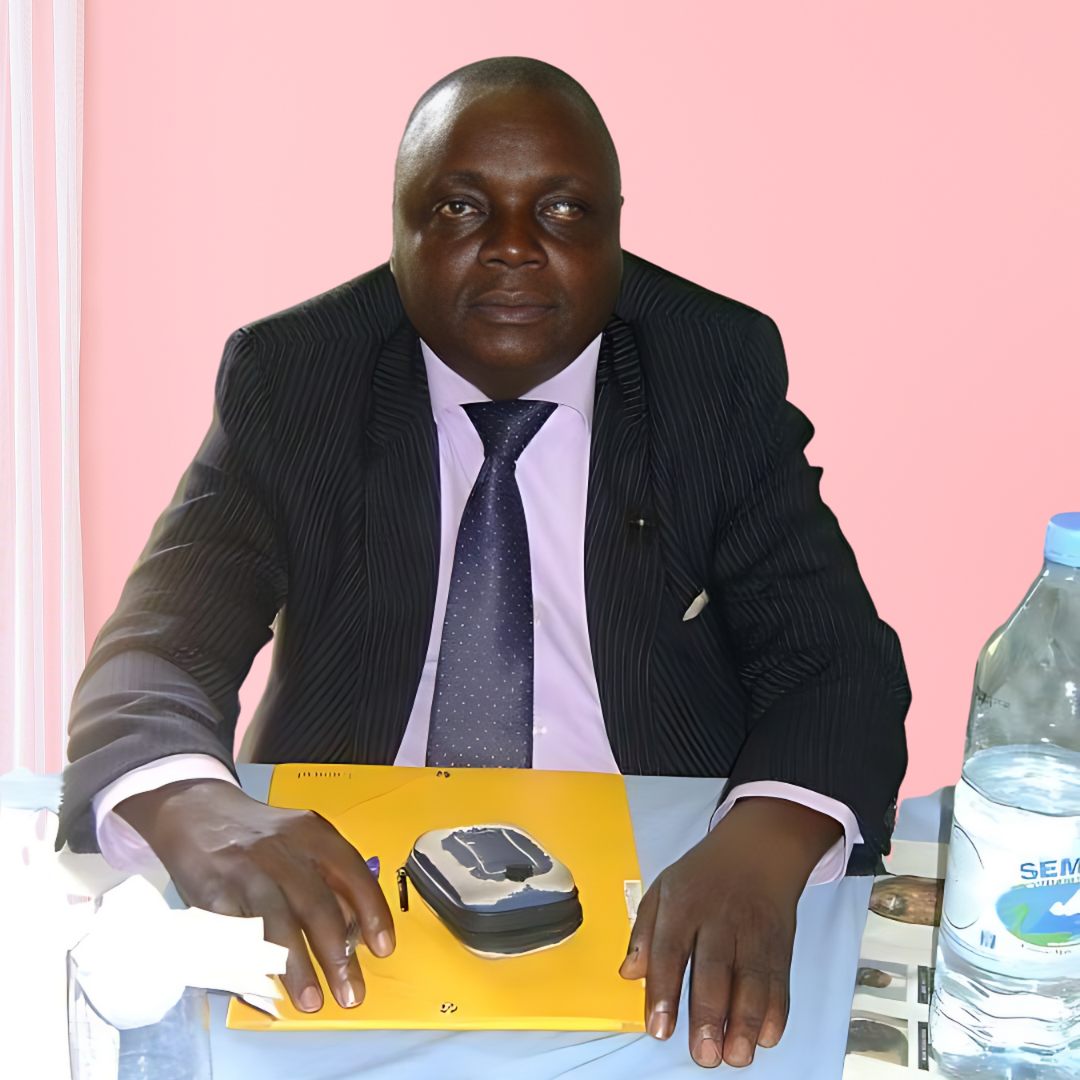

Zacchaeus Mungwe Forjindam, Cameroon’s Unsung Hero
MANY ANGLOPHONES DO NOT KNOW ABOUT A HERO AND A PATRIOTIC MAN CALLED MR. ZACCHAEUS MUNGWE FORJINDAM.
Mr Zacchaeus Mungwe Forjindam is a figure whose legacy in Cameroon is often viewed through two distinct lenses: that of the visionary “Captain of Industry” who built a maritime empire, and that of a high-profile target of the state’s anti-corruption crackdown.
My humble description of Zacheus Mungwe Forjindam captures the deep respect many have for his technical brilliance and his commitment to Cameroon’s industrial independence. Here is a closer look at his contributions, his vision for Limbe, and the legal “affair” that halted his trajectory.
The Visionary: Building Chantier Naval (CNIC)
Forjindam is most famous for his tenure as the General Manager of the Cameroon Shipyard and Industrial Complex (CNIC). Under his leadership, the shipyard wasn’t just a repair dock; it became a regional powerhouse.
Regional Dominance: He transformed CNIC into a competitive entity that serviced oil rigs and large vessels for the entire Gulf of Guinea.
The Move to Victoria (Limbe): Forjindam recognized a fundamental bottleneck: the Wouri River in Douala was too shallow for modern, deep-draft oil rigs. His push to move major operations to Limbe was strategic. Limbe offered deep natural waters, allowing Cameroon to compete with international shipyards in Europe and Asia.
The Limbe Shipyard Project: his “crown jewel.” It wasn’t just about ships; it was about creating thousands of jobs and a specialized industrial ecosystem in the South West Region.
Belief in the Limbe Deep Seaport
Forjindam was an ardent believer in the Limbe Deep Seaport. He saw it as a cornerstone of Cameroon’s “Emergence” strategy. His intentions were centered on:
Energy Autonomy: Creating a hub for the offshore oil and gas industry.
Logistical Sovereignty: Reducing Cameroon’s dependence on foreign maritime infrastructure.
Economic Decentralization: By developing Limbe, he aimed to create a second economic heartbeat for the country outside of Douala.
The “Forjindam Affair”
In 2008, Forjindam’s career took a sharp turn when he was arrested as part of Operation Sparrowhawk (Opération Épervier), a government campaign to combat the embezzlement of public funds.
The Charges: He was accused of embezzling several billion CFA francs while at the helm of CNIC.
The Sentence: After a long and highly publicized legal battle, he was initially sentenced to life imprisonment in 2012, which was later reduced to 15 years by the Supreme Court in 2017 following various appeals.
The Controversy: While the state maintained it was a matter of financial accountability, many of his supporters viewed the “Affair” as politically motivated. They argued that his rising popularity and the strategic importance of the Limbe project made him a threat to certain political interests.
Philanthropy and Patriotism
Beyond the boardroom, Forjindam is remembered by many as a man with a “good heart,” particularly in his home community and the North West region.
Education: He was known for sponsoring scholarships for underprivileged students, believing that technical education was the key to Cameroon’s future.
Community Development: His charity projects often focused on infrastructure—building schools, supporting local clinics, and funding community water projects.
The “Patriot” Label: His supporters often point to the fact that he chose to invest his talents and the shipyard’s profits back into Cameroonian soil rather than stashing resources abroad, which fuels the image of him as a misunderstood patriot.
Zacchaeus Forjindam remains a polarizing but undeniably significant figure in Cameroon’s industrial history. For some, he is a cautionary tale of public management; for many others, he remains the “Architect of Victoria” whose full vision for the country was never allowed to reach the finish line.
Zacchaeus Mungwe Forjindam is the former General Manager of the Cameroon Shipyard and Industrial Engineering (Chantier Naval et Industriel du Cameroun – CNIC). He was convicted in 2010 and 2012 for embezzlement (approx. 350 million FCFA) and sentenced to 15 years in prison as part of Operation Epervier, a high-profile anti-corruption campaign.