In the political landscape of Cameroon, the call for President Paul Biya’s reelection has stirred a complex mix of loyalty, ambition, and tribal dynamics. The Cameroon People’s Democratic Movement (CPDM), the ruling party, has witnessed a surge of support from militants, particularly in the Far North Region’s Kolofata, Mayo-Sava West. This support, however, is not without its conditions and implications.
The CPDM celebrated its 39th anniversary with fervor, and the event in Kolofata was marked by a significant declaration from the party’s militants. They pledged unwavering support for President Biya, urging him to contest in the upcoming presidential election. The underlying motive for this support is the expectation of tribal representation in the government, specifically the appointment of a native minister from the region to succeed the late Amadou Ali.
Amadou Ali, a prominent figure born in Kolofata, held various high-ranking positions in the government, including Minister of Justice and Keeper of the Seals, Vice Prime Minister, and Minister in charge of Relations with the National Assembly. His death left a void that the locals are keen to fill with another representative from their land. This desire for continued representation at the highest levels of government underscores the intricate relationship between local politics and national leadership.
The CPDM’s history is deeply intertwined with Cameroon’s political evolution. Originating from the Cameroon National Union, which was an amalgamation of several parties in 1966, the CPDM was rebranded in 1985 at the Bamenda Congress Hall. As it stands, the party has been the bedrock of President Biya’s prolonged tenure, which spans over four decades.
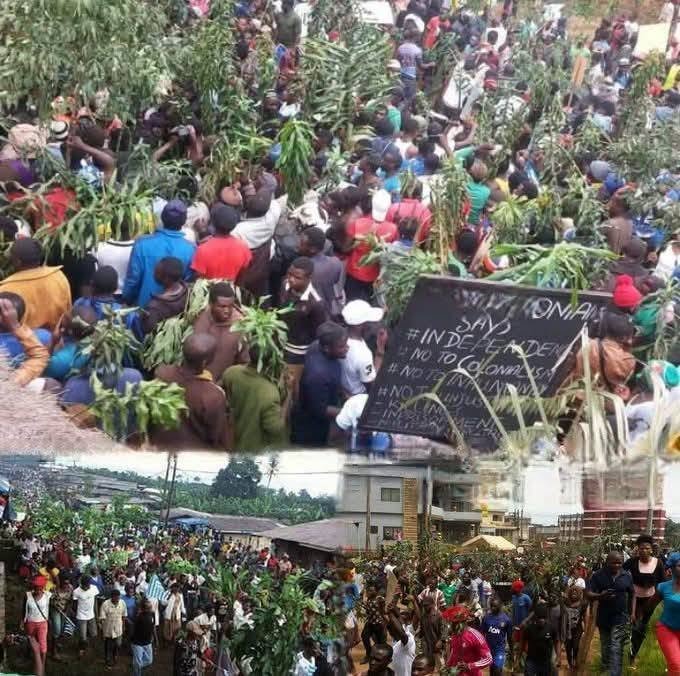
The calls for President Biya’s reelection have been echoed across the nation, with militants coordinating a singular wish for his candidacy. This phenomenon is not isolated to Kolofata but is part of a broader pattern observed in various regions, including Mvengue, where militants reaffirmed their unwavering support. The support rallies are a testament to the deep-rooted loyalty towards President Biya and the CPDM, but they also highlight the expectations of political reciprocity and the role of tribal affiliations in shaping political discourse.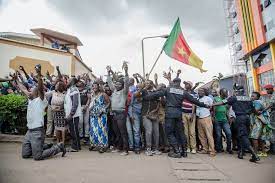
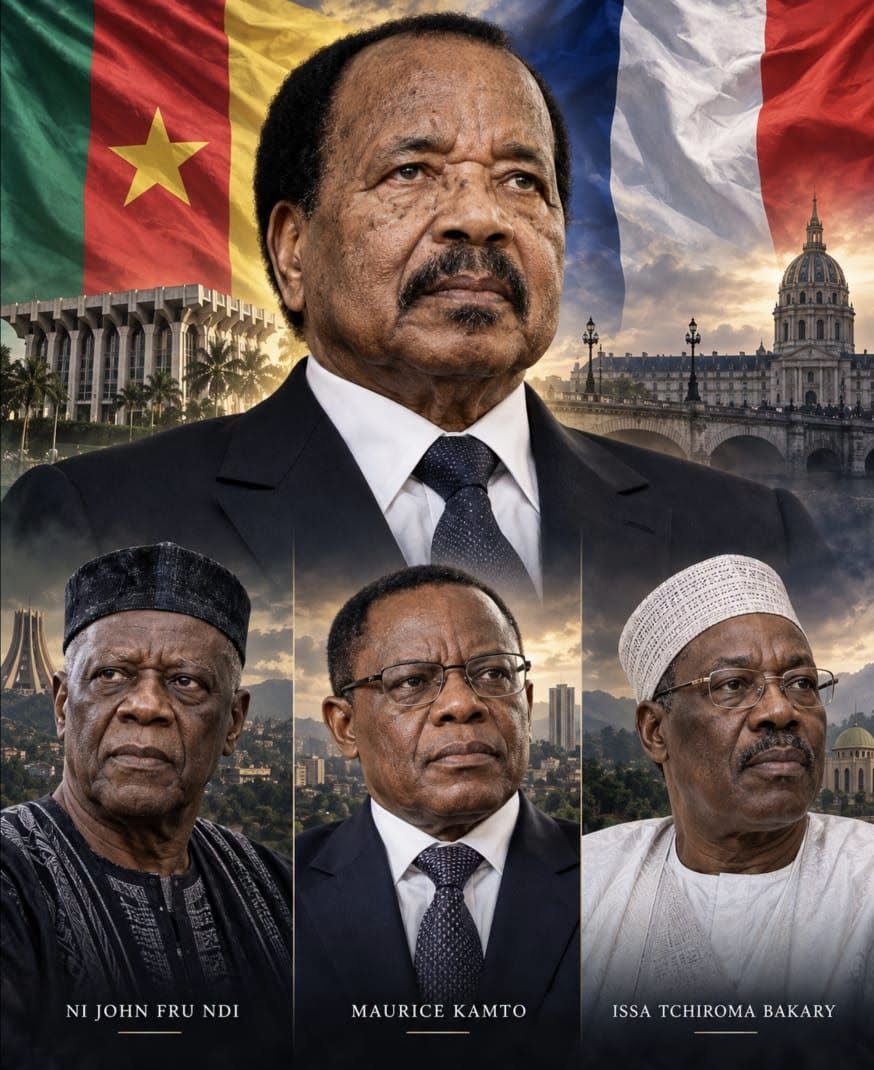
The controversy surrounding these calls for reelection is palpable, especially considering President Biya’s age and the length of his rule. At 90 years old, if he decides to run for an eighth term, it would undoubtedly stir debate and scrutiny both within Cameroon and internationally. The early calls for his candidacy have revived a partisan ritual that is as much about political strategy as it is about the aspirations of various tribal factions seeking representation and influence.
The dynamics of support for President Biya’s reelection are a microcosm of the complex interplay between local aspirations and national politics. The CPDM’s anniversary celebrations have become a platform for expressing political desires and negotiating the terms of support. As Cameroon approaches another presidential election, the discourse around President Biya’s potential candidacy and the role of tribal politics will continue to shape the nation’s political narrative.
In conclusion, the calls for President Biya’s reelection are more than just a show of political loyalty; they are a negotiation of power, representation, and tribal interests. The outcome of these negotiations will have significant implications for the political future of Cameroon and the stability of its governance.
—
This article is a comprehensive analysis of the current political climate in Cameroon, focusing on the recent calls for President Paul Biya’s reelection and the underlying tribal dynamics at play. It draws upon information from Mimi Mefo Info and other sources to provide a nuanced understanding of the motivations and implications of the CPDM militants’ support.

Their support came with a caveat: they are calling for the appointment of a native of the area as a government minister after the election.
Led by the section president for Mayo-Sava West, Madiba Ali, the CPDM members celebrated its 39th anniversary on March 24 in Kolofata, with a ceremony held at the esplanade of the Kolofata Great Mosque.
During the event, CPDM militants expressed their gratitude to President Paul Biya for the progress made in the Division despite the challenges posed by the Boko Haram insurgency in the Far North.
The militants acknowledged the achievements of the current regime but emphasized the need for continued representation at the highest levels of government.
They said President Paul Biya should be re-elected so that a daughter or son of the land would be appointed Minister to replace Amadou Ali, who died in 2022.
Amadou Ali, born in Kolofata, served in several positions of government, including Minister of Justice and Keeper of the Seals, Vice Prime Minister, and also Minister in charge of Relations with the National Assembly.
Their call followed a series of events held on that Sunday by the various militants of the party across the country to celebrate CPDM at 29.
The CPDM Party got its name by rebranding the former Cameroon National Union in 1985 at the Bamenda Congress Hall.
The CNU was the amalgamation of several parties in Cameroon in 1966, following the creation of the one-party system by former President Ahmadou Ahidjo.
As the CPDM celebrated its 39th anniversary, militants across the nation had one coordinated wish – that President Biya should seek reelection.