
FROM EQUAL PARTNERS TO PERMANENT DEPUTIES: THE ANGLOPHONE DECEPTION
Let us be clear: the growing suggestion that Anglophones in Cameroon should settle for a Vice President is not a compromise. It is an insult—calculated, cynical, and dangerous.
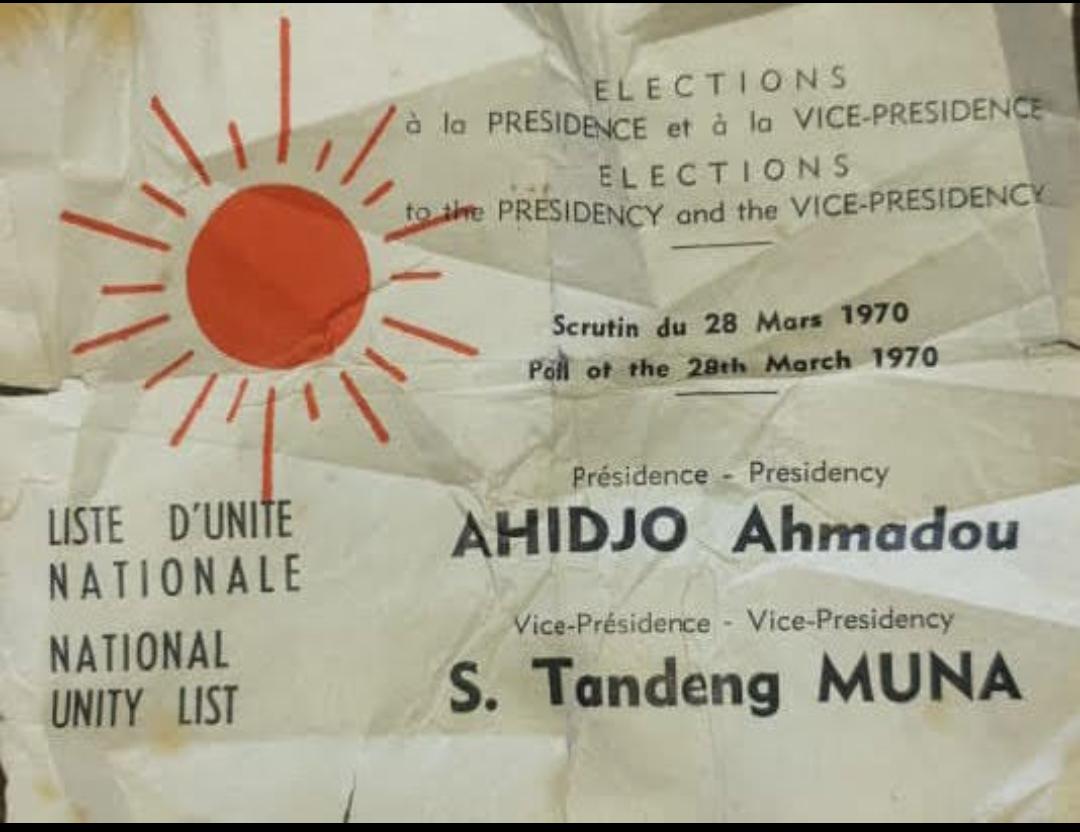
After more than six decades of systematic marginalization, dispossession, and political erasure, Anglophones are now being invited to celebrate what is, in essence, a constitutionally dressed-up subordinate role. A Vice President in today’s Cameroon would not be a power partner. He would be a spectator in authority—a well-positioned bystander in a system designed to exclude him.
This is not inclusion. It is institutionalized inferiority.
FOUMBAN WAS NOT A SURRENDER
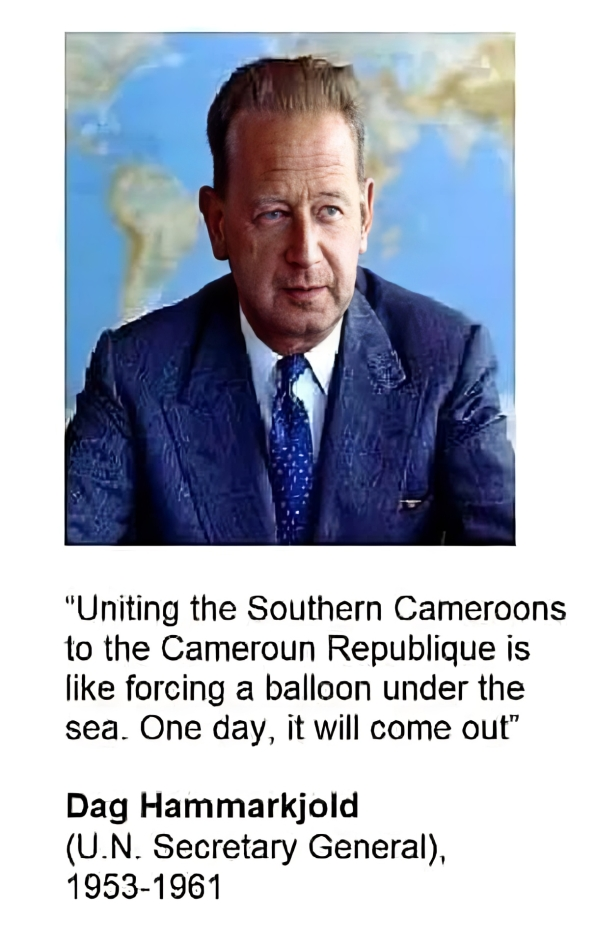
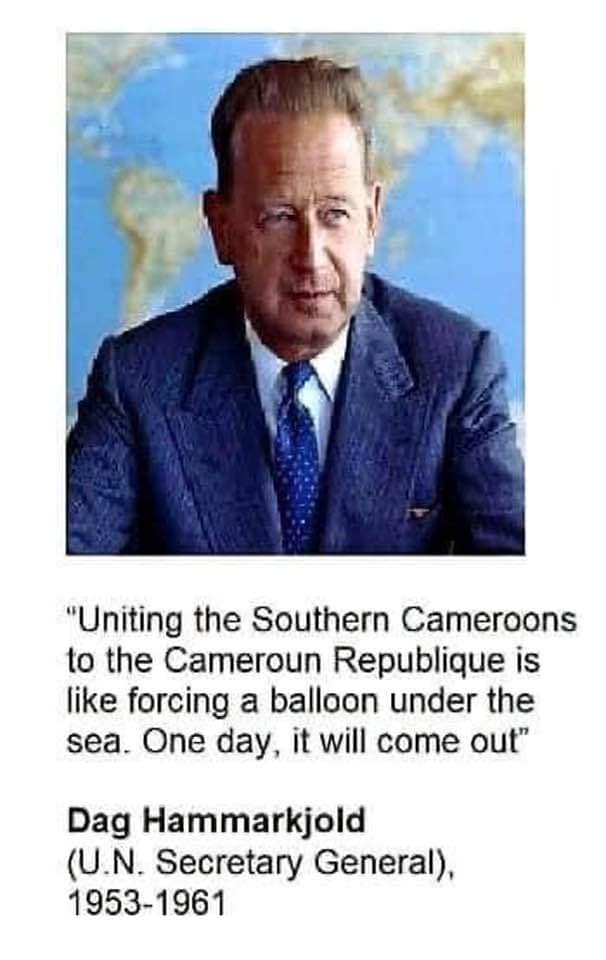
Those advancing this narrative either misunderstand history or deliberately distort it. The Foumban Conference was not a ceremony of absorption. It was a negotiation—however flawed—between two distinct political entities: British Southern Cameroons and La République du Cameroun.
Anglophones did not vote to become deputies. They did not agree to be junior partners. They entered a union on the premise of equality.
Two states. Two systems. One federation.
That was the deal.
What followed was something else entirely.
THE LONG BETRAYAL
The dismantling of federalism in 1972 was not reform—it was rupture. It marked the beginning of a calculated project to centralize power and neutralize Anglophone identity. Since then, every major institution of the state has tilted decisively in one direction.
The presidency? Permanently out of reach.
The judiciary? Systematically diluted.
The educational system? Assimilated.
And when Anglophones protested—lawyers, teachers, civil society—they were met not with dialogue, but with repression. The crisis that has engulfed the North-West and South-West is not a mystery. It is the logical outcome of sustained political suffocation.
Now, after decades of exclusion, the same system offers a Vice President—as if symbolic proximity to power can compensate for the total absence of it.
A DECORATIVE OFFICE IN AN IMPERIAL PRESIDENCY
Let us not pretend otherwise: in Cameroon’s hyper-centralized presidential system, a Vice President would exist at the pleasure of the President. No independent mandate. No constitutional leverage. No real authority.
He would not check the power. He would echo it.
He would not represent Anglophones. He would pacify them.
This is how political systems neutralize dissent—by elevating individuals while disempowering communities.
PSYCHOLOGY OF SUBORDINATION
What makes this proposal particularly dangerous is not just its emptiness, but its intent. It attempts to reset expectations. To normalize the idea that Anglophones should not aspire to lead, but only to assist.
It whispers a quiet but corrosive message: your place is second.
Accepting a Vice Presidency under current conditions would not be pragmatic. It would be a public endorsement of permanent political subordination.
And history is unforgiving to those who institutionalize their own marginalization.
Without constitutional guarantees—real federalism, genuine decentralization, enforceable power-sharing—no office, however prestigious, can protect Anglophone interests. A Vice President without power is not a safeguard. He is a shield for the status quo.
If anything, such a position could be weaponized: used to project an illusion of inclusion while the underlying inequalities deepen.
Anglophones must reject this proposal with clarity and conviction. Not because they oppose inclusion, but because they recognize deception.
What is needed is not cosmetic reform, but structural justice
Wawa JN