FOR IMMEDIATE RELEASE
Lusaka, Zambia – 29th December 2025
Global Leaders Forge New Pathways for Sovereign Innovation at Landmark Zambia Conference
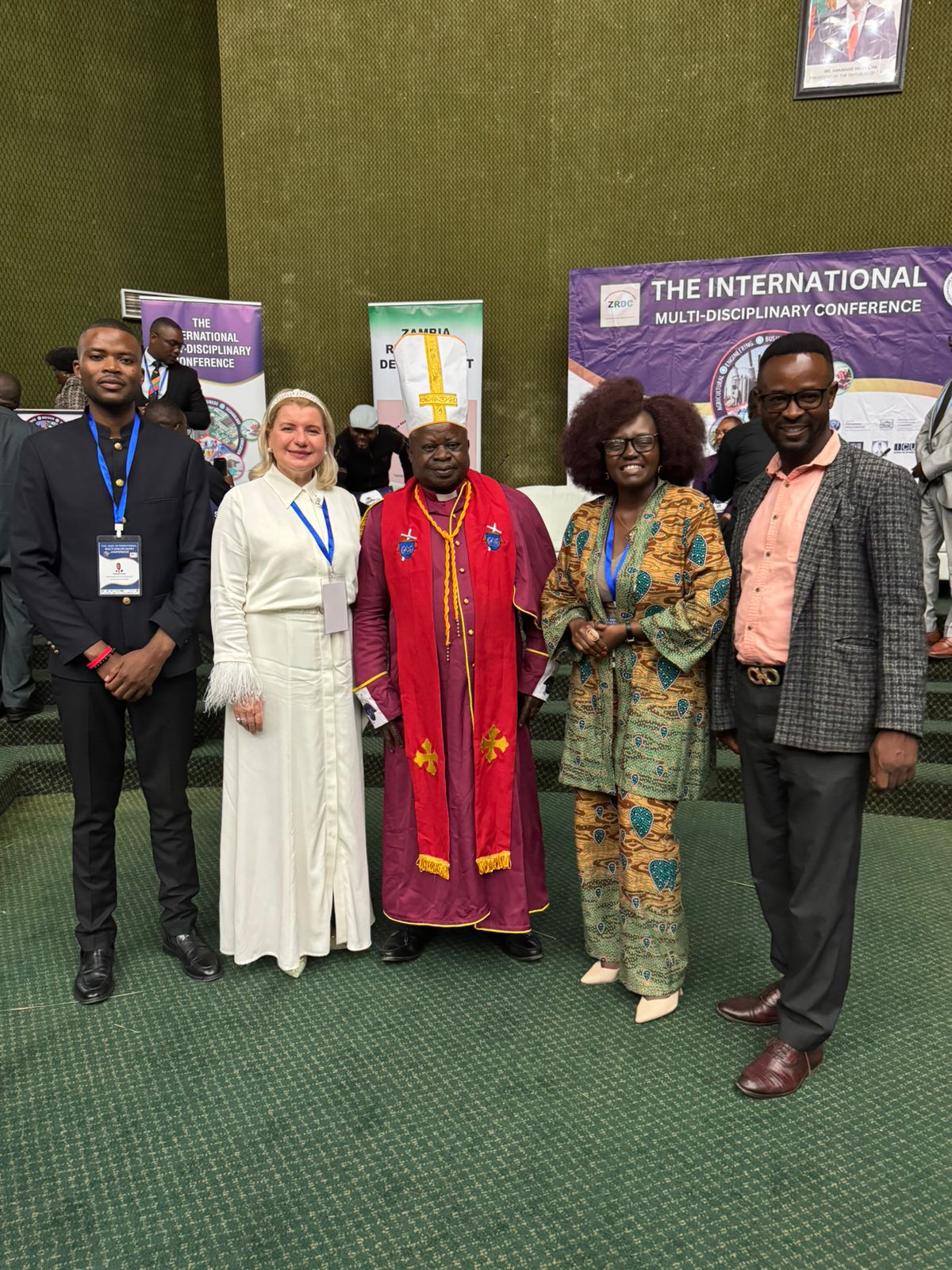
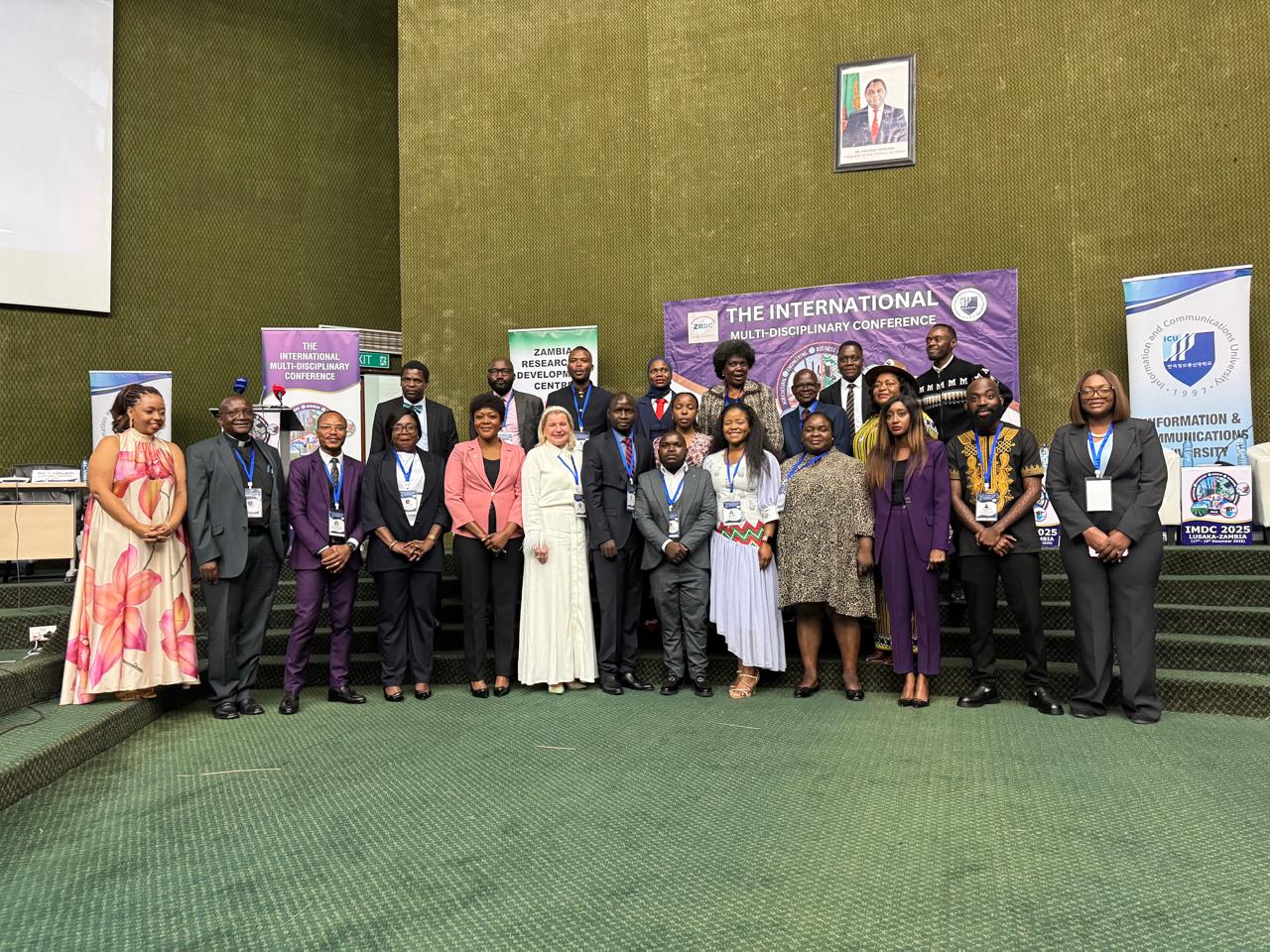
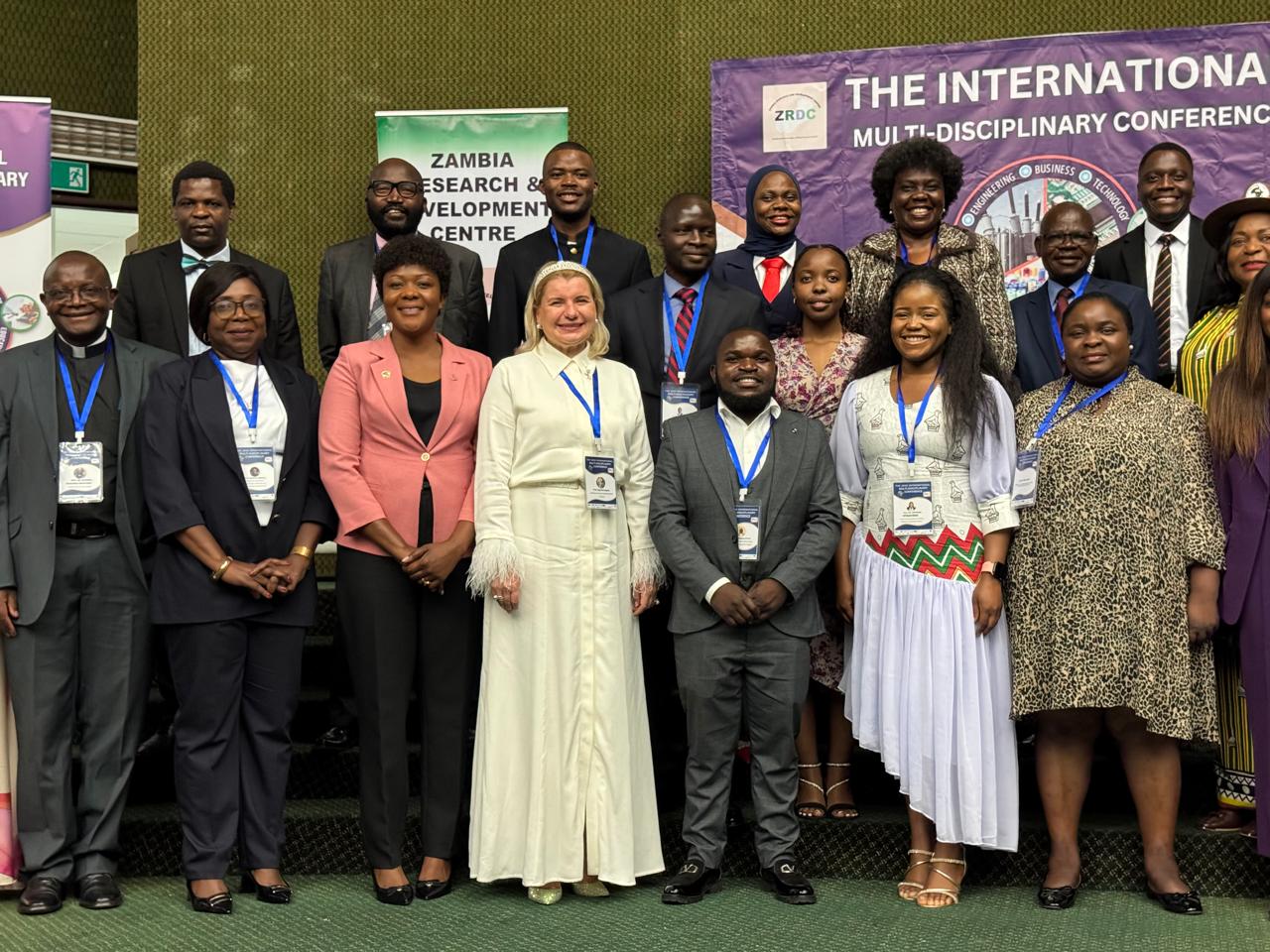
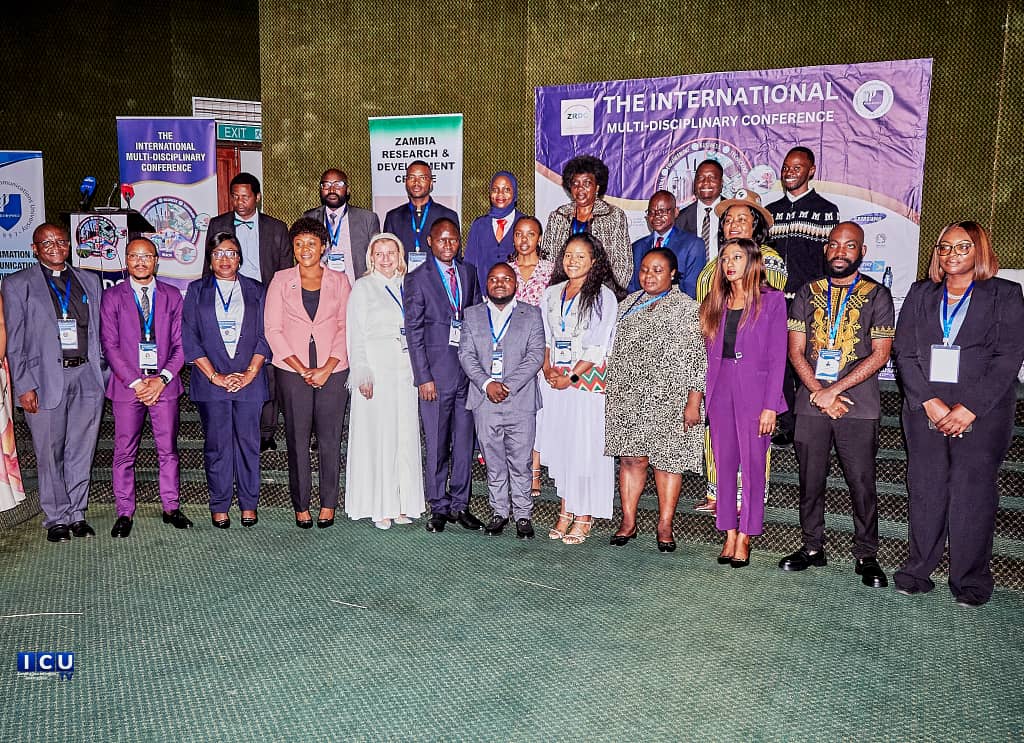
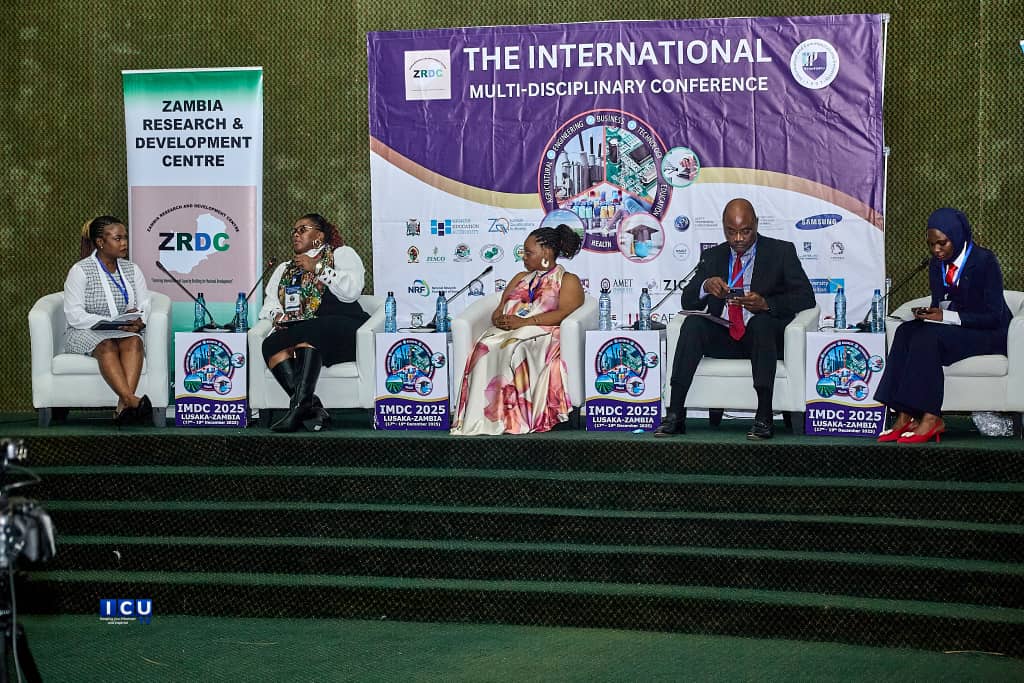
The 2025 International Multi-Disciplinary Conference (IMDC 2025) concluded at the Mulungushi International Conference Centre in Lusaka, marking a historic convergence of intellect and ambition aimed at redefining the future of innovation-led development in the Global South. Hosted by the Zambia Research and Development Centre (ZRDC) under the powerful theme “Fostering Knowledge Sharing and Innovation Competitiveness for Production-Enabled Development,” the three-day summit successfully assembled a distinguished assembly of thought leaders, researchers, policymakers, and industry pioneers from across Africa, Russia, and beyond. The conference has been widely hailed as a transformative platform that moved beyond dialogue to lay the groundwork for actionable, sovereign progress.
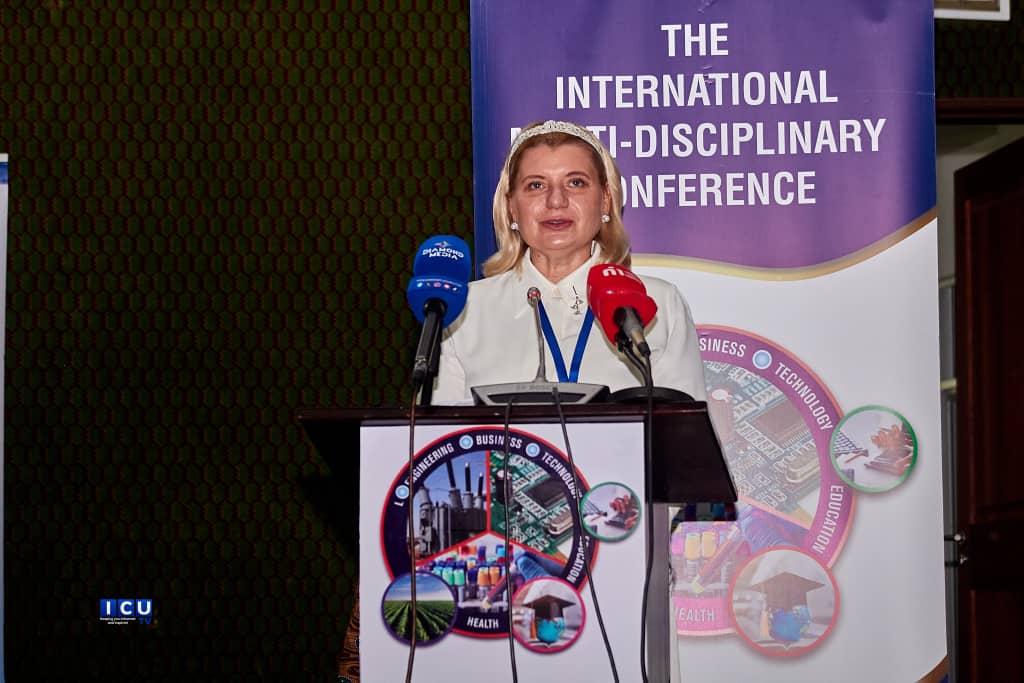
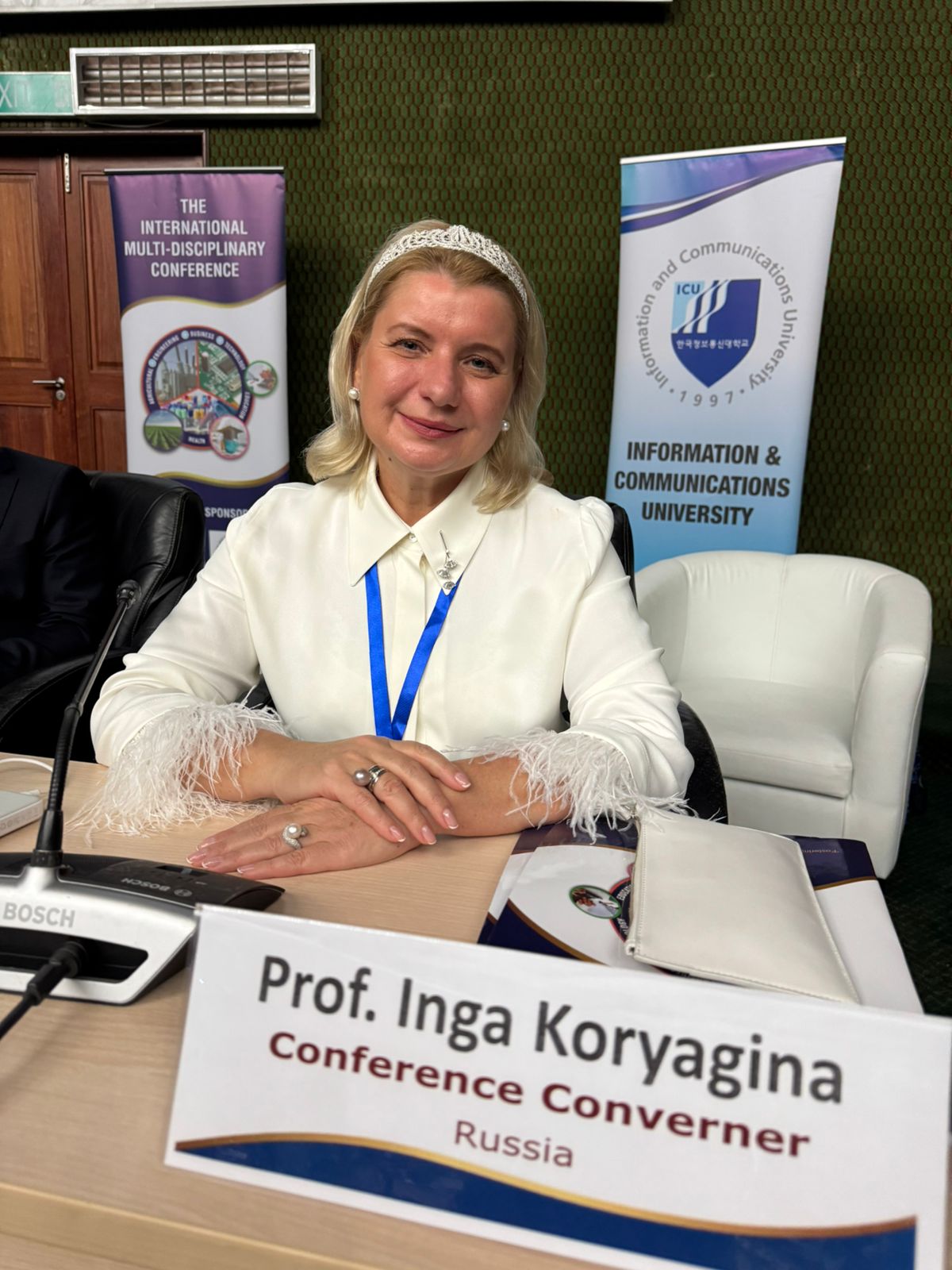
The intellectual cornerstone of the event was laid by Conference Convener Dr. Inga Koryagina, Head of International Development for Russia-Africa and Expert of the State Duma of the Russian Federation. In a compelling opening address, Dr. Koryagina framed the gathering as an urgent strategic imperative. She articulated the critical need for nations like Zambia and across Africa to undergo a fundamental transformation from passive consumers of imported technology to active architects of their own technological destiny. Central to her argument was the concept of the “Human Operating System,” which she defined as the collective mindset, skills, and innovative capacity of a nation’s people. Dr. Koryagina issued a clarion call for a systemic upgrade to this Human OS, integrating critical thinking, adaptability, and sustainable skills as core code for strategic survival. She positioned strategic collaboration, particularly the deepening partnership between Russia and Zambia, as essential for this transition. Highlighting Russia’s profound scientific heritage and Zambia’s dynamic human capital and resources, she envisioned a symbiotic partnership where shared knowledge fuels sovereign innovation. Her vision set a definitive tone for the conference: this was not merely a forum for discussion, but a collaborative coding environment for building a new, multipolar future of knowledge creation.
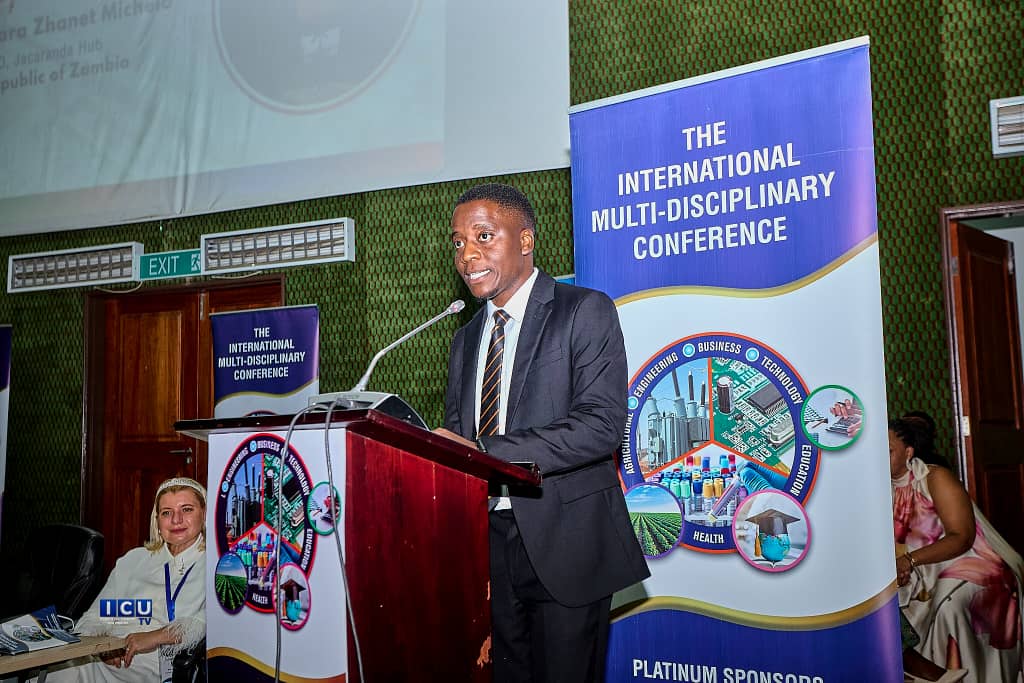
This vision was powerfully echoed by Professor Richard Silumbe, Board Chairman of the Zambia Research and Development Centre, during his official opening address. In a speech that resonated deeply with delegates, Professor Silumbe declared that the conference symbolized a pivotal moment in Africa’s intellectual and economic ascent. “Africa is no longer rising—it has risen,” he stated emphatically. “We are no longer at the periphery of global discourse; we are at its forefront, defining our own trajectory. This gathering is a testament to our continent’s transition from being a consumer of knowledge to becoming its foremost creator.” He emphasized that the solutions to Africa’s unique challenges must be homegrown, engineered through indigenous research and innovation. Professor Silumbe championed the role of inclusive platforms like IMDC, which ensure every researcher and innovator has an equitable voice, as critical for unlocking the continent’s vast, collective potential. His remarks framed the conference not as a passive event, but as an active engine for Africa’s self-determination and a declaration of its readiness to lead in the global arena of ideas and enterprise.
This visionary call was answered and expanded upon through a series of high-level plenary sessions designed to blueprint the pillars of a resilient and innovative future. The first plenary, examining the Zambian political landscape, established that sustainable innovation is inextricably linked to democratic consolidation, peace, and strategic geopolitical engagement. Following this, a dedicated session on policy and economic development brought together leading economists and policy experts to dissect the frameworks necessary for building inclusive economies. The discussions rigorously analysed fiscal policy, investment climates, and diversification strategies, concluding that smart, transparent governance is the essential scaffold upon which entrepreneurial and technological advancement must be built.
The entrepreneurial spirit of Africa took centre stage in a vibrant session featuring frontline founders and CEOs. Here, candid narratives of scaling businesses, overcoming financing hurdles, and driving market innovation highlighted both the formidable challenges and the extraordinary resilience defining the African enterprise landscape. The final plenary thrust participants into the frontiers of technology, exploring the transformative potential of artificial intelligence, renewable energy, agri-tech, and digital infrastructure. Experts unanimously asserted that the strategic adoption and adaptation of these technologies are non-negotiable for achieving production-enabled development and global competitiveness.
Beyond these plenary guiding lights, the heart of IMDC 2025 beat within its dynamic parallel sessions, where a rich tapestry of research from across six multidisciplinary tracks was presented. The Business and Applied Management Sciences stream produced rigorous analyses on everything from tax policy impacts to advanced project management in critical infrastructure. Simultaneously, the Computer and Information Sciences sessions became a showcase for homegrown technological ingenuity, featuring designs for AI-enhanced supply chains, novel e-commerce platforms, and cybersecurity solutions tailored to local contexts. In the Agricultural and Natural Sciences track, research was squarely focused on the pillars of food security and climate resilience, presenting studies on sustainable farming, soil health, and adaptive crop management. Complementary sessions in Engineering and Technology explored practical advancements in smart mobility and renewable energy systems, while the Social Sciences and Humanities tracks provided the crucial human context, addressing issues of gender equity, governance, media, and community health. Woven throughout was a consistent thread from the Education track, focusing on curriculum innovation to build the very “Human Operating System” capable of sustaining this multifaceted development.
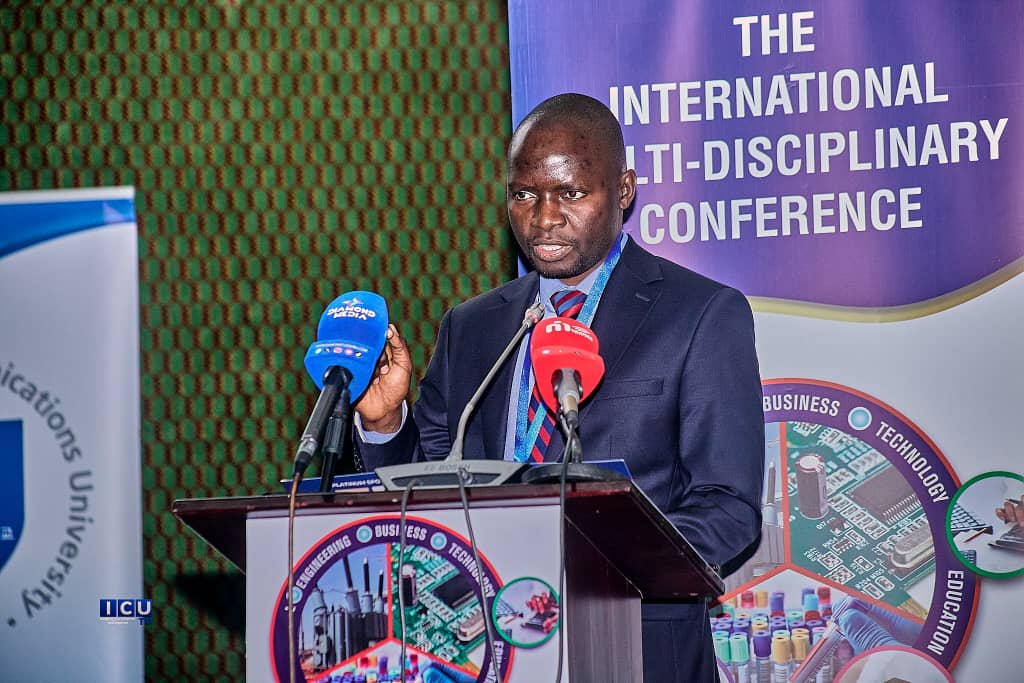
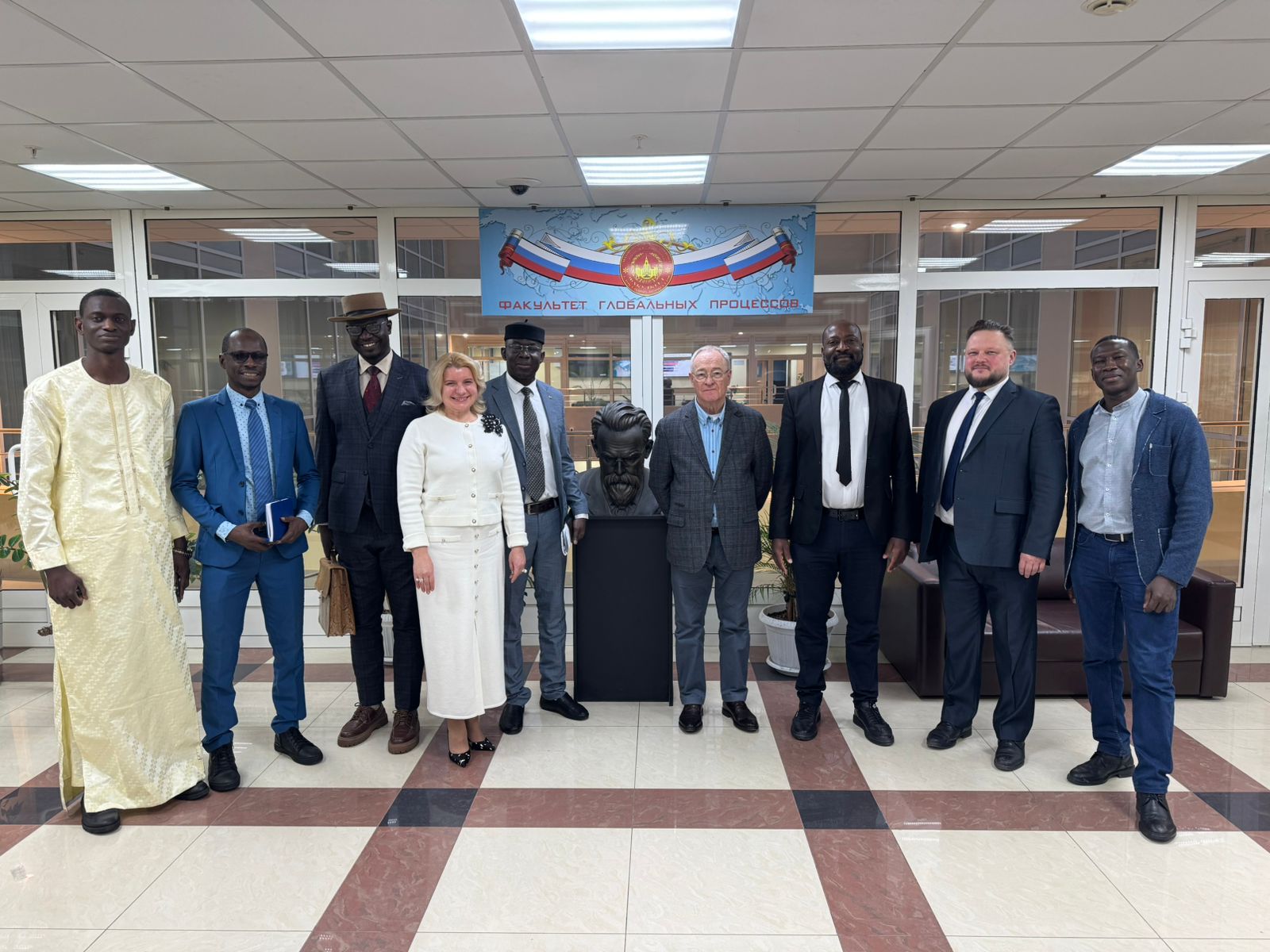
Officially hosting the conference, Dr. Chisala C. Bwalya, Director of the Zambia Research and Development Centre, declared the event a resounding success that had surpassed its ambitious objectives. He praised the depth of engagement and the collaborative networks forged between researchers, practitioners, and policymakers from diverse nations. Dr. Bwalya emphasized that IMDC 2025 successfully transitioned from sharing abstract knowledge to igniting the partnerships that will compile and execute the tangible code for Africa’s prosperity. The conference concluded with a shared and renewed commitment among all participants to translate the insights and connections forged in Lusaka into concrete projects and sustained collaboration. IMDC 2025 has unequivocally solidified its role as a cornerstone institution for fostering the South-South and Russia-Africa partnerships that are essential for building an equitable, sovereign, and innovative future.
For media inquiries, please contact:
The IMDC 2025 Secretariat
Email: chisalabwalya@zrdc.org
Website: www.multiresearch.net
About IMDC: The International Multi-Disciplinary Conference is a premier annual forum dedicated to bridging disciplinary and geographical divides to address complex global development challenges through research, innovation, and strategic partnership.