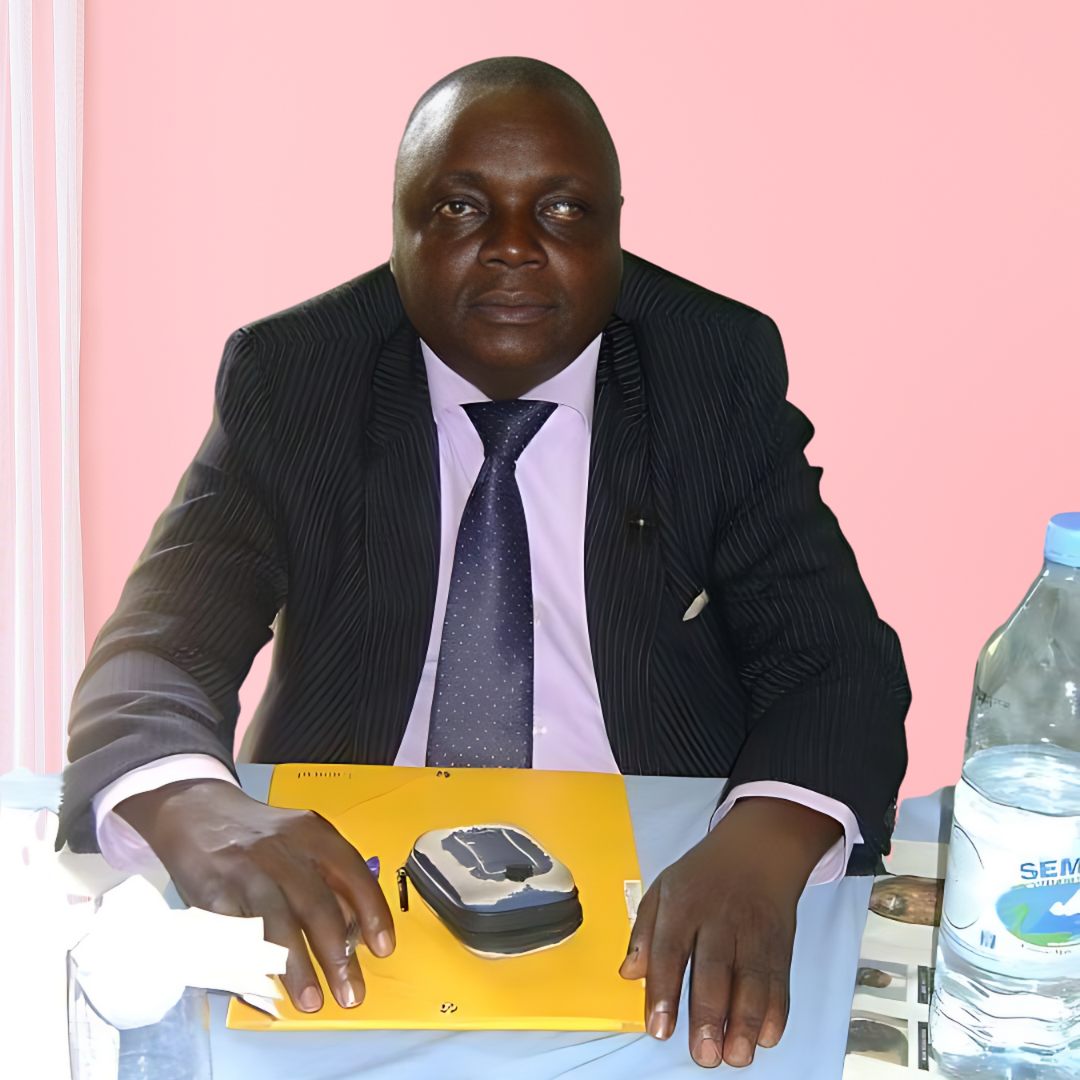
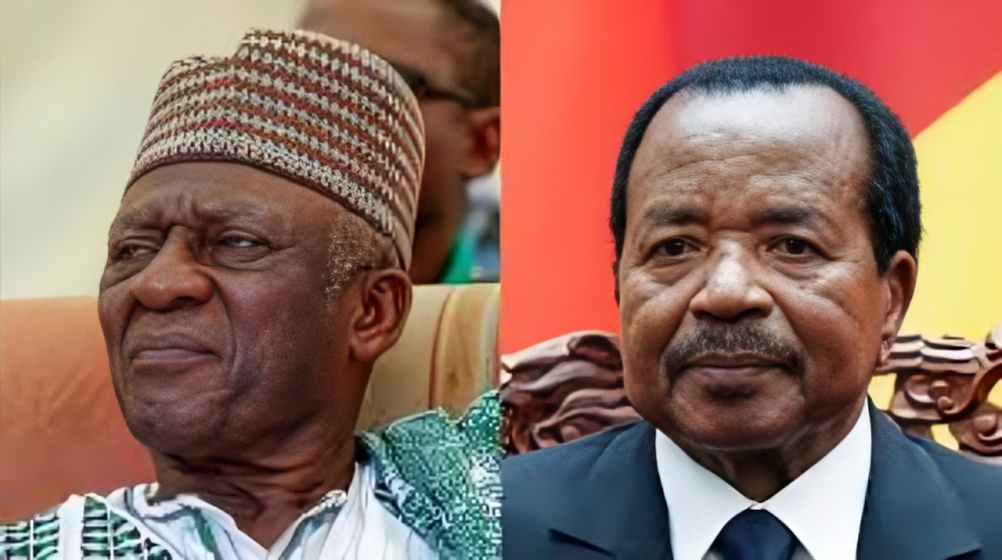
IT’S IMPOSSIBLE FOR AN ANGLOPHONE TO BE PRESIDENT OF THE REPUBLIC OF CAMEROON, THE PRESIDENT OF THE SENATE, and THE PRESIDENT OF THE NATIONAL ASSEMBLY.
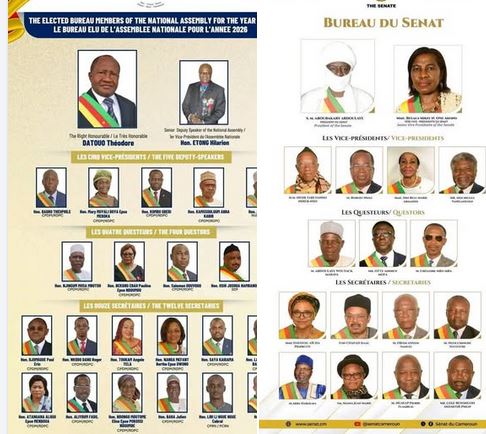
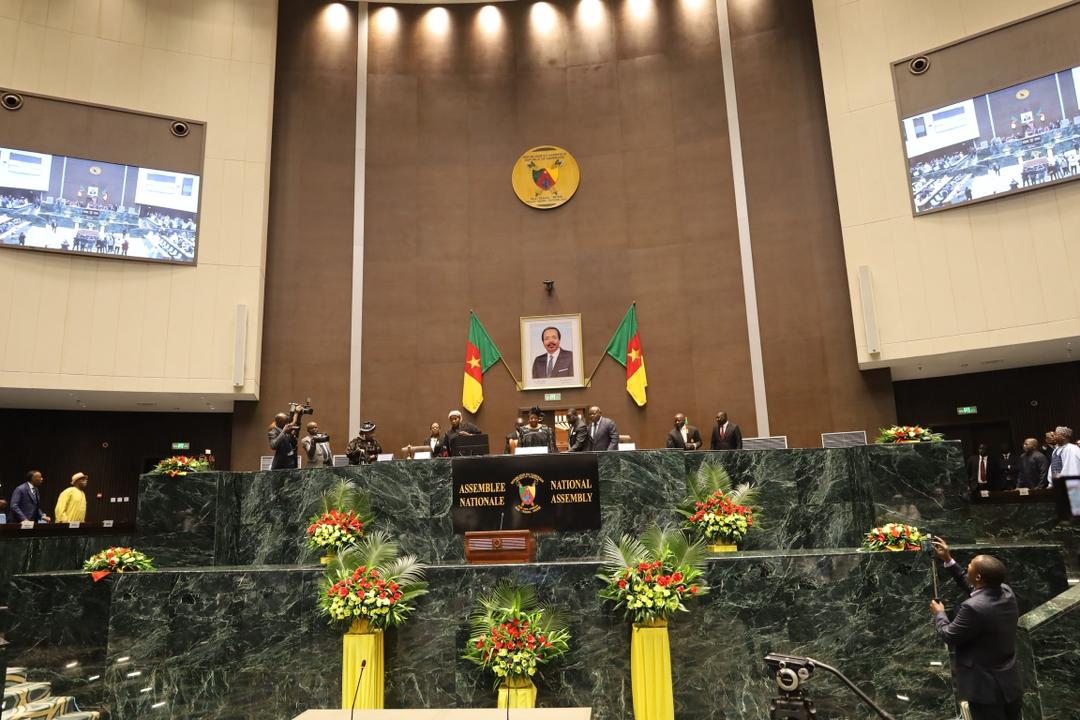
The 2026 Bureau members for both the National Assembly and the Senate of Cameroon. Analysing the possibility of an Anglophone holding the top position (President) in either house requires examining the current political configuration, historical precedent, and the “unwritten rules” of power-sharing in Cameroon.
1. The National Assembly
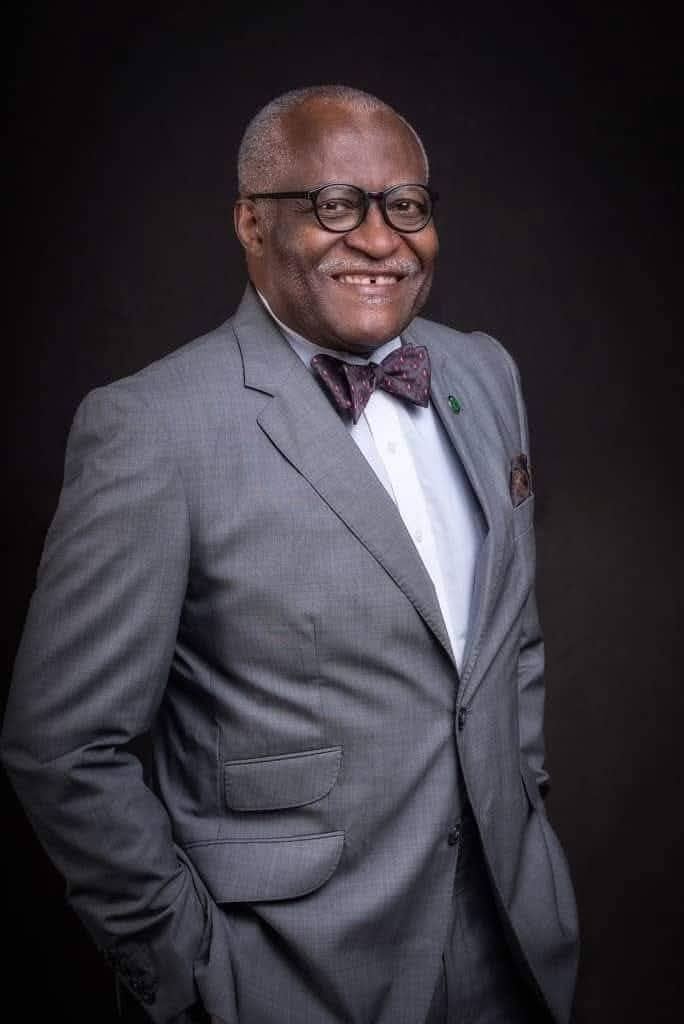
In the National Assembly poster, we see Datouo Théodore (a Francophone) as the Speaker, with Hon. Etong Hilarion (also Francophone) as the Senior Deputy Speaker.
Historical Precedent: Since 1992, the position of House Speaker has been held by Cavayé Yéguié Djibril (Francophone from the Far North). The current 2026 bureau shows Datouo Théodore, indicating a continuation of Francophone leadership in this chamber.
The “North-South” Balance: Traditionally, the Presidency of the Republic is held by a Southerner (Paul Biya), and the Presidency of the National Assembly is often reserved for a representative from the “Grand North” to maintain regional balance. This geopolitical calculation has historically made it difficult for an Anglophone to occupy the primary seat.
The Anglophone Slot: In the National Assembly, the highest rank usually “reserved” for Anglophones is often a Vice-President or Questor position (e.g., Joshua Osih or Mary Muyali Boya as seen in the image above).
2. The Senate
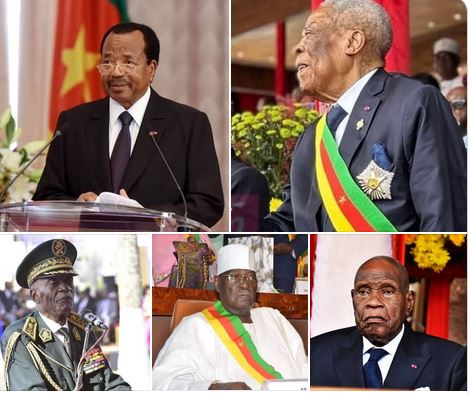
The Senate poster shows S.M. Aboubakary Abdoulaye as the President of the Senate and Mme. Begala Mihel M. Épse Akono as the Senior Vice President.
The Succession Factor: Under the Cameroonian Constitution, the President of the Senate is the second-ranking official in the country and takes over as Interim Head of State if the Presidency becomes vacant.
Current Reality: Since the Senate’s creation in 2013, the presidency has been held by Marcel Niat Njifenji (Francophone). The 2026 bureau as shared shows a transition to another Francophone, Aboubakary Abdoulaye.
Regional Sensitivity: Because the Senate President is the constitutional successor, the ruling party (RDPC/CPDM) typically appoints a figure seen as a “stabilizer.” While there is no legal bar against an Anglophone, the political sensitivity regarding the “Anglophone Crisis” and succession politics has led the establishment to favour Francophone loyalists for this specific “heartbeat away” role.
3. Analysis of Possibility
The possibility of an Anglophone becoming President of either house is legally possible but politically complex for the following reasons: Constitutional Succession Because the Senate President is the constitutional successor to the Head of State, the choice is highly guarded by the inner circle of the ruling party.
Geopolitical “Zoning” Cameroon operates on an informal “equilibre regional” (regional balance). If the President is from the South and the PM is Anglophone, the Legislative heads are usually Francophones from the North or West.
Party Discipline The RDPC/CPDM holds an overwhelming majority. The Bureau is essentially “elected” based on a list approved by the party hierarchy. Unless the party leadership decides to shift the balance, the status quo remains. The “Anglophone Prime Minister” Tradition
Currently, the “highest” executive office consistently held by an Anglophone is the Prime Minister, Head of Government. Within the logic of Cameroonian power-sharing, having an Anglophone PM often “offsets” the Francophone leadership in the Senate and National Assembly.
Conclusion
While the 2026 Bureaus shared below confirm that both houses remain under Francophone leadership, the presence of Anglophones like Joshua Osih (SDF) and Hon. Mary Muyali Boya (CPDM) in high-ranking “Bureau” positions shows they are part of the legislative management, even if not at the very top. For an Anglophone to take the “Gavel,” it would likely require a major shift in the RDPC’s regional balancing strategy or a change in the ruling party itself.
Bye.
Prince Agbor Gilbert Ebot fb