Shadows of Betrayal: When the Vatican’s Silence Echoes the Cries of Cameroon’s Forgotten Faithful. Friday, February 20, 2026.
By Nchumbonga George Lekelefac B.Phil. (Mexico); S.T.B. (Rome); J.C.L./M.C.L. (Ottawa); Doctorandus, University of Münster, Germany International Advocate for the Oppressed, Voice of the Voiceless, Defender of Fundamental Human Rights, Canon Lawyer/Jurist, Friend to the Vulnerable, and Lover of No Oppressor/Tyrant
Motto: “Not merely to recount what has been, but to share in moulding what should be.” — Prof. Dr. Bernard Nsokika Fonlon
1. In the dim light of a Lent shrouded in sorrow, a voice from the heart of Africa’s turmoil pierces the veil of ecclesiastical diplomacy. Father Lado Ludovic, SJ, a Jesuit priest whose commitment to justice has long illuminated the shadows of oppression in Cameroon, shared a poignant reflection that lays bare the fractures within the Catholic Church. His words, originally in French, translate to a haunting admission of restrained grief:
“The Vatican has written to me again… Unfortunately, I cannot share all the content. The essential point is that they are aware of what is happening in Cameroon, including the assassination of Anicet Ekane. But the Pope does not invite himself into a country… he responds, according to diplomatic protocols, to the invitation of a country, a Nuncio, and an episcopate that do not always tell the whole truth to the Vatican. I will respect the Pope’s decision to visit Cameroon, even if I do not share it. He is my hierarchical superior. A good Lent season that I will spend in absolute silence.”
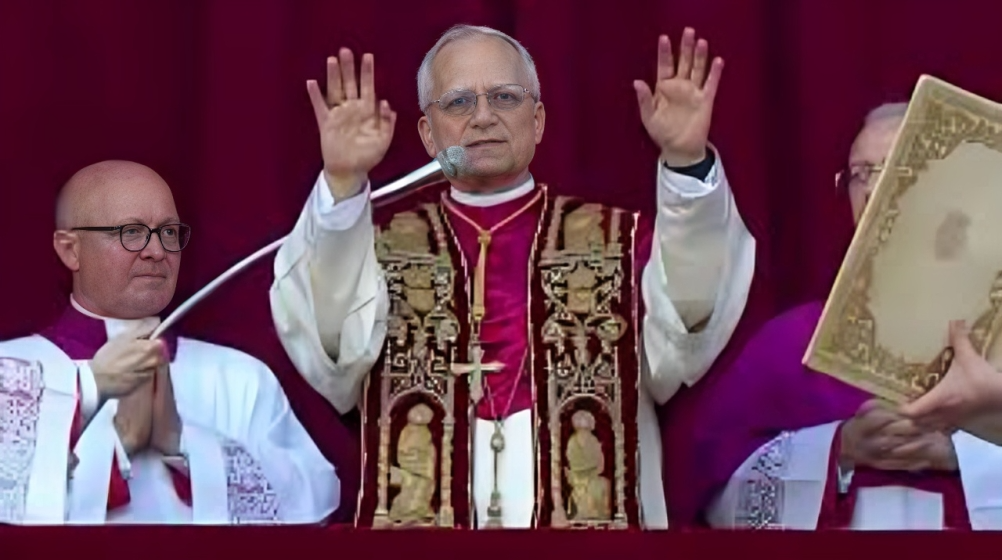
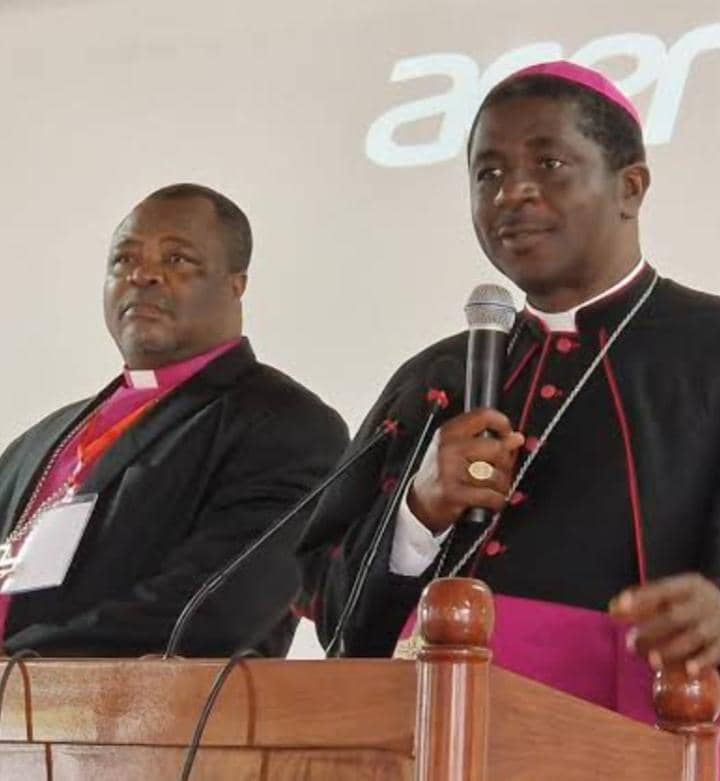
2. These words, heavy with unspoken pain, come amid growing disillusionment among Cameroon’s Catholic faithful. What is wrong with the Vatican? Is the Holy See truly holy? These questions, echoed by many, capture a profound sense of abandonment. The Vatican, it seems, places its trust in figures like the allegedly corrupt Archbishop José Avelino Bettencourt and the politically aligned Archbishop Andrew Nkea—men accused of veiling the harsh realities of a nation gripped by violence, corruption, and human suffering.
3. Why does the Vatican not conduct its own independent inquiries? Must it be deceived by these “two fools who are devils in cassock as many laments, individuals who peddle lies to the Pope while cloaked in sacred garb? These prelates, critics argue, prioritize their own egos and the prestige of hosting a papal visit over the plight of the poor—those very souls Christ championed in his teachings. The Vatican’s apparent blindness to this deception invites divine judgment, for on the last day, it will answer for allowing itself to be misled by those who ignore the weeping masses in favor of hollow grandeur.
4. As Catholic Christians, our disappointment resonates like a dirge through the global Church. “We are highly disappointed by the Vatican, which believes in these devils in cassocks simply because they are the nuncio and the archbishop.” Why can’t the Vatican heed the voices of the people of God? Is the Church reduced to a hierarchy of nuncios and archbishops, deaf to the laity’s pleas? What kind of institution is the Catholic Church becoming—a bastion of faith, or a political entity entangled in worldly webs?
5. In Cameroon, where the assassination of figures like Anicet Ekane—a symbol of resistance against injustice—casts long shadows over daily life, the Pope’s planned visit feels less like a beacon of hope and more like a bitter irony. Father Lado’s vow of Lenten silence underscores the tragedy: even those within the Church who dare speak truth must retreat into quietude, leaving the oppressed to wonder if their cries will ever reach the halls of St. Peter’s. This is not merely a diplomatic misstep; it is a fracture in the soul of Catholicism, where the shepherds seem to have forgotten their flock. In this season of reflection, one can only pray for a Church that rediscovers its holiness—not in pomp and protocol, but in the humble embrace of the suffering like Christ, the good shepherd did.