
WHEN THE SHEPHERD BECOMES THE WOLF
The Vatican’s Silence Amid Cameroon’s Cries of Betrayal. Friday, February 20, 2026.
By Nchumbonga George Lekelefac B.Phil. (Mexico); S.T.B. (Rome); J.C.L./M.C.L. (Ottawa); Doctorandus, University of Münster, Germany International Advocate for the Oppressed, Voice of the Voiceless, Defender of Fundamental Human Rights, Canon Lawyer/Jurist, Friend to the Vulnerable, and Lover of No Oppressor/Tyrant
Motto: “Not merely to recount what has been, but to share in moulding what should be.” — Prof. Dr. Bernard Nsokika Fonlon
(incorporating reflections from Fr. Lado Ludovic, SJ and the powerful meditation by Rev. Father Edwin de Marie Mumukom)
I. The Ancient Trust: Where the Shepherd Meant Peace
There was once a land of green hills and patient valleys, where the shepherd’s staff meant safety and the night held no terror. The flock rested because someone watched. Trust flowed like water, and obedience felt natural. The shepherd was guardian, guide, and father. Ubi pastor, ibi pax—where the shepherd is, there is peace.
Such was the ancient intuition of Aristotle, who taught that political community exists so that life may be lived well, not merely endured, and that leadership is ordered toward the common good, bonum commune.
II. The Sacred Origin of Authority
In those early days, authority felt almost sacred. The shepherd’s presence symbolised order against chaos, warmth against cold, life against danger. Anthropologists tell us that every society first entrusts power to those who protect its most fragile members: children, elders, the wounded. Leadership was once service before it was privilege. Ministerium, non dominium—service, not domination.
The staff was never meant to strike but to steady trembling steps.
III. The Slow Corruption of the Staff
But slowly the staff grew heavier in the hand. The voice that once called gently began to command harshly. Protection changed into control, and guidance into fear. The gate that kept wolves away now kept the sheep imprisoned. The flock noticed that the wounds on their backs did not come from outside the fold. Then they whispered: Quis custodiet ipsos custodes?—who will guard the guards themselves? Hannah Arendt observed that when power loses legitimacy, it relies increasingly on violence, for where persuasion ends, coercion begins.
IV. The Hidden Predator
The pasture shrank. Grass withered. Lambs disappeared in the night. Yet no wolves were seen crossing the fence. The danger wore familiar clothes. The one appointed to defend life began to consume it. Thus, the old maxim returned: homo homini lupus. Power, when detached from conscience, forgets its purpose. Thomas Hobbes feared the chaos of human conflict, yet even he insisted that authority is justified only insofar as it preserves life. When life itself becomes threatened by the guardian, the covenant collapses.
V. The Irony of Liberation
History, however, repeats its ironies. Some voices rose from the hills promising rescue. They spoke of liberation, dignity, and tomorrow. The flock rejoiced. But soon new staffs replaced the old ones, and the blows felt the same. Grain was taken “for protection.” Youth were taken “for the struggle.” Tears were taken “for the cause.” Names changed; suffering remained. Mutatis mutandis, the story continued. Frantz Fanon warned that revolutions without inner conversion simply exchange masters; the psychology of domination survives even when flags change.
VI. The Cold Cage of Systems
Social thinkers have long recognised this tragedy. Max Weber described how authority becomes trapped in cold bureaucracies where rules suffocate persons. Systems replace faces. Files replace names. Decisions forget tears. What was meant to serve life becomes an iron cage. And so summum ius, summa iniuria—the strictest law becomes the greatest injustice.
VII. The Theologians’ Verdict
Theologians speak even more sharply. Augustine of Hippo declared that kingdoms without justice are but great robberies. Thomas Aquinas insisted that law loses its moral force when it abandons reason and the common good: lex iniusta non est lex. Authority divorced from morality degenerates into organised theft. The shepherd becomes a predator in religious clothing.
VIII. True Shepherd vs. False Shepherd
A true shepherd carries the weak. A false shepherd burdens them. A true shepherd feeds the flock. A false one feeds on the flock. A true shepherd walks ahead. A false one drives from behind. The difference is love. Without love, power corrodes the soul. Corruptio optimi pessima—the best, when corrupted, become the worst.
IX. Christ’s Measure of Leadership
The Scriptures offer another image through Jesus Christ, who contrasts the good shepherd with the hired hand. The hired hand flees when danger comes; the good shepherd lays down his life. In that contrast lies the measure of all leadership. The shepherd who demands sacrifice from others but offers none of himself has already forgotten God. Non ministrari sed ministrare—not to be served but to serve.
X. The Deep Wounds in Cameroon
Communities feel these betrayals deeply. Anthropologists note how fear changes social behaviour: songs fade, markets empty earlier, and laughter lowers its voice. Trust—the invisible glue of society—evaporates. Families scatter. Youths migrate. Neighbours suspect one another. The village square grows silent. In many places, even among the forests and towns of Cameroon, such quietness has become familiar: schools close, roads empty, mothers wait through the night. Protection is promised, yet insecurity multiplies.
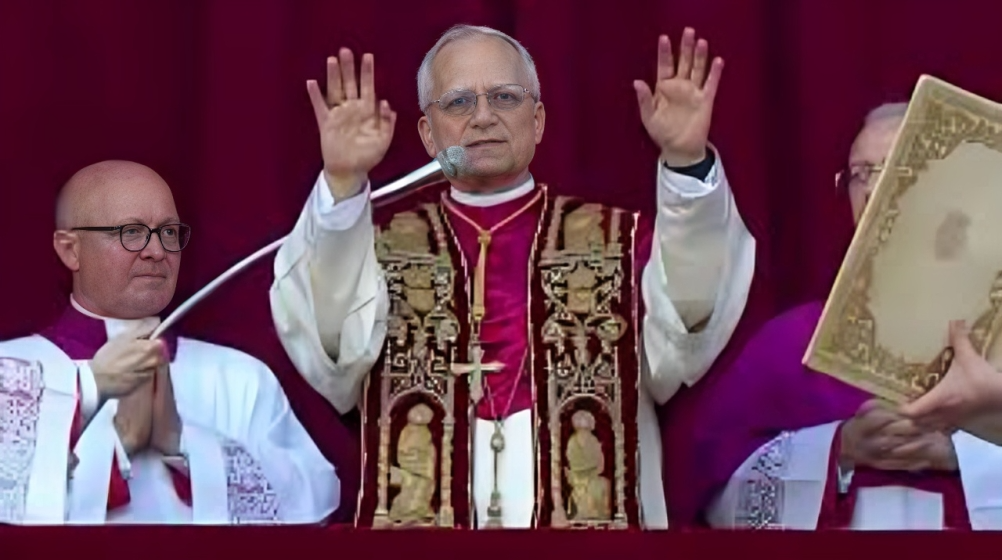
XI. The Vatican’s Deaf Ear
In the dim light of a Lent shrouded in sorrow, a voice from the heart of Africa’s turmoil pierces the veil of ecclesiastical diplomacy. Father Lado Ludovic, SJ, shared a haunting admission:
“The Vatican has written to me again… Unfortunately I cannot share all the content. The essential point is that they are aware of what is happening in Cameroon, including the assassination of Anicet Ekane. But the Pope does not invite himself into a country… he responds, according to diplomatic protocols, to the invitation of a country, a Nuncio, and an episcopate that do not always tell the whole truth to the Vatican. I will respect the Pope’s decision to visit Cameroon, even if I do not share it. He is my hierarchical superior. A good Lent season that I will spend in absolute silence.”
These words, heavy with unspoken pain, come amid growing disillusionment. What is wrong with the Vatican? Is the Holy See truly holy?
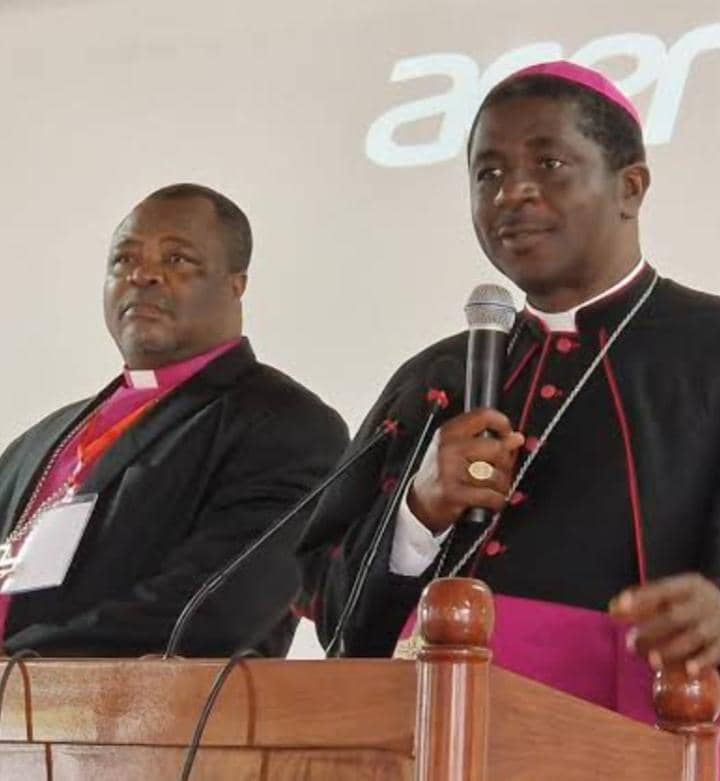
The Vatican places its trust in figures like the allegedly corrupt Archbishop José Avelino Bettencourt and the politically aligned Archbishop Andrew Nkea—men accused of veiling the harsh realities of a nation gripped by violence, corruption, and human suffering.
XII. The Cry of the Faithful
Why does the Vatican not conduct its own independent inquiries? Must it be deceived by those who peddle lies while cloaked in sacred garb? These prelates, critics argue, prioritize prestige and the optics of a papal visit over the plight of the poor—those very souls Christ championed.
As devoted Catholic Christians, we are highly disappointed by the Vatican, which believes in these devils in cassocks simply because they are the nuncio and the archbishop.
Why can’t the Vatican heed the voices of the people of God? Is the Church reduced to a hierarchy of nuncios and archbishops, deaf to the laity’s pleas? What kind of institution is the Catholic Church becoming—a bastion of faith, or a political entity entangled in worldly webs?
XIII. A Bitter Irony
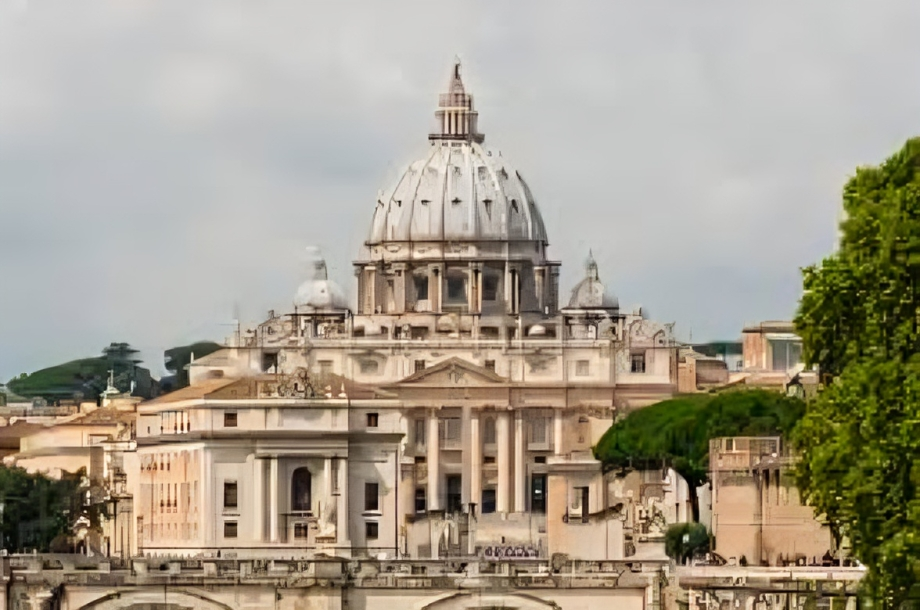
In Cameroon, where the assassination of figures like Anicet Ekane—a symbol of resistance against injustice—casts long shadows over daily life, the Pope’s planned visit feels less like a beacon of hope and more like a bitter irony. Father Lado’s vow of Lenten silence underscores the tragedy: even those within the Church who dare speak truth must retreat into quietude, leaving the oppressed to wonder if their cries will ever reach the halls of St. Peter’s.
XIV. Hope Against Hope
Yet ethics resists such darkness. Emmanuel Levinas reminds us that before any constitution or ideology, the face of the other commands responsibility. The other’s vulnerability says, “Do not kill.” Even Martin Buber teaches that society survives only through genuine encounter, the “I–Thou” relationship.
Still, hope breathes quietly beneath the ashes. Spes contra spem—hope against hope.
Somewhere, a young heart dreams differently. Somewhere, a leader chooses compassion over fear. Somewhere, a hand reaches out instead of striking. Light gathers strength unnoticed. Lux in tenebris lucet.
XV. The Final Prayer
For history is not destined to remain a circle of predation. Redemption interrupts repetition. Communities rebuild. Truth is spoken. Justice slowly returns.
A new generation learns that authority is sacred only when it protects. They remember that the shepherd exists for the flock, not the flock for the shepherd. Salus populi suprema lex.
Until that day, vigilance remains necessary. Unity becomes resistance. Memory becomes wisdom. Prayer becomes strength.
For when the shepherd forgets mercy, he becomes the wolf; but when he remembers love, he becomes once more what he was meant to be—guardian, servant, and brother.
Then fear yields to trust, law serves justice, and peace returns to the valleys.
And the hills will breathe again.
And the valleys will sing again.
For where there is justice, there is life.
And where there is love, there is God