Why the SouthernCameroonians – Ambazonians are fighting today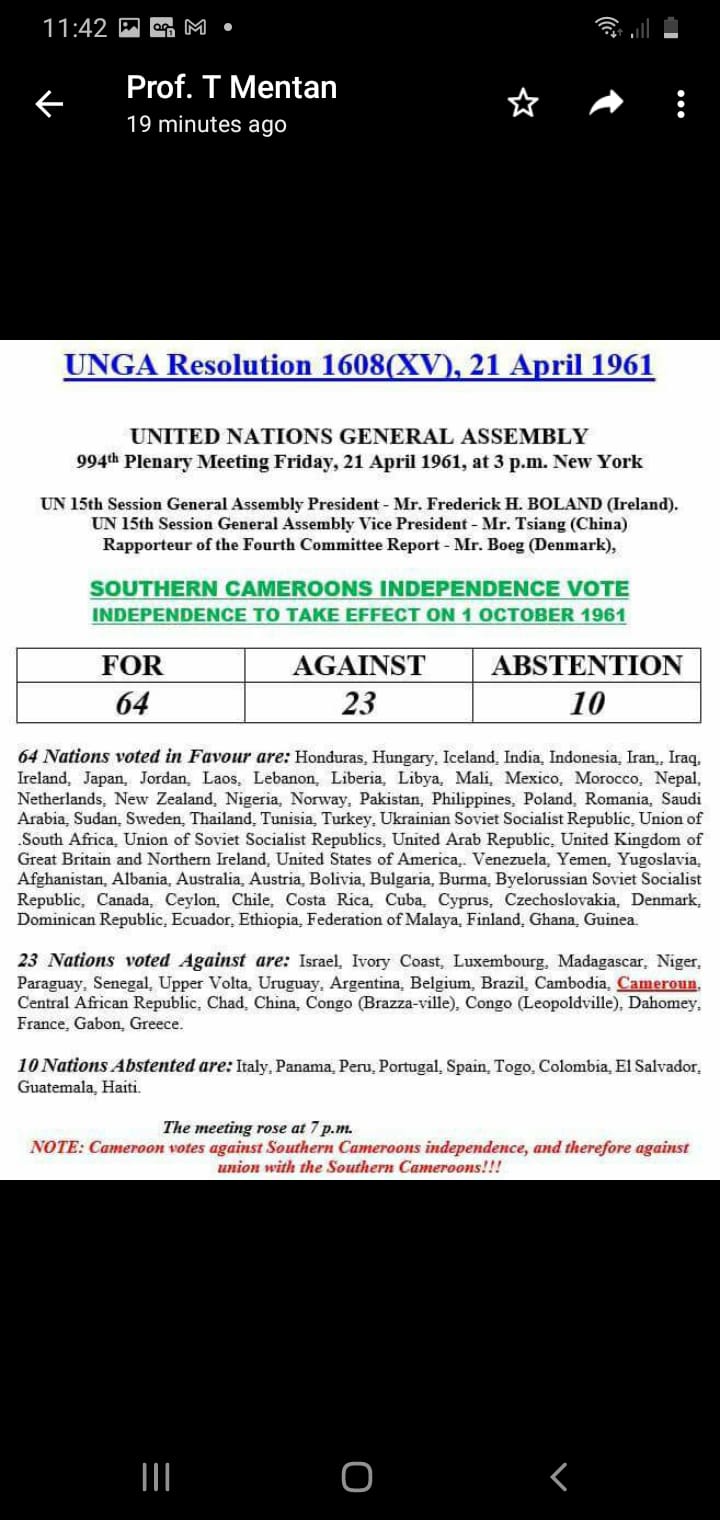
THE DEATH OF PLEBISCITE DAY and THE BIRTH OF YOUTH DAY.
The transition from the Federal Republic of Cameroon to the United Republic in 1972 remains one of the most contentious chapters in the country’s history. For many leaders in West Cameroon (Southern Cameroons), these changes felt less like “unification” and more like the systematic dismantling of their Anglo-Saxon heritage.
Here are the key figures and the context surrounding their resistance to Ahmadou Ahidjo’s centralization.
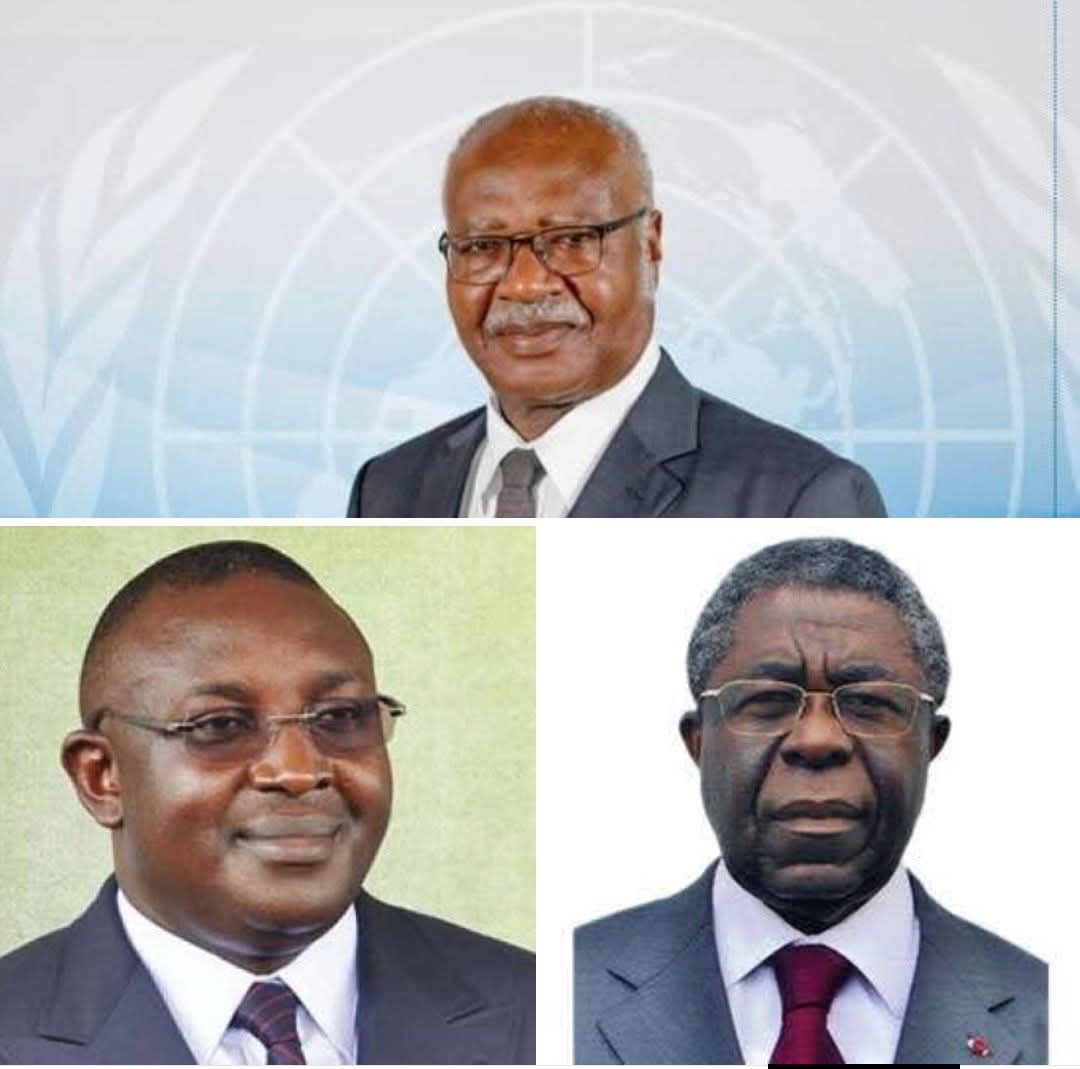
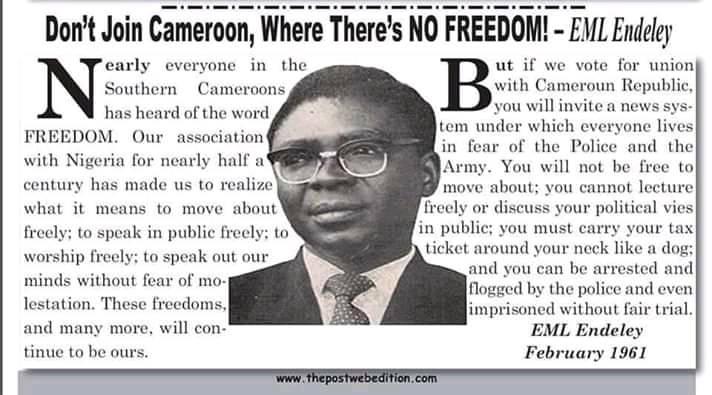
1. Dr. Emmanuel Mbela Lifafa Endeley
While Dr. Endeley was a rival to John Ngu Foncha and initially a proponent of integration with Nigeria, he became a complicated figure during the move toward a one-party state.
* The Struggle: As the leader of the Cameroon Peoples’ National Convention (CPNC), Endeley initially resisted the dissolution of his party.
* The Outcome: He eventually succumbed to Ahidjo’s pressure in 1966 to merge into the CNU (Cameroon National Union). However, his supporters often pointed to this as the moment West Cameroon lost its democratic “veto power.”
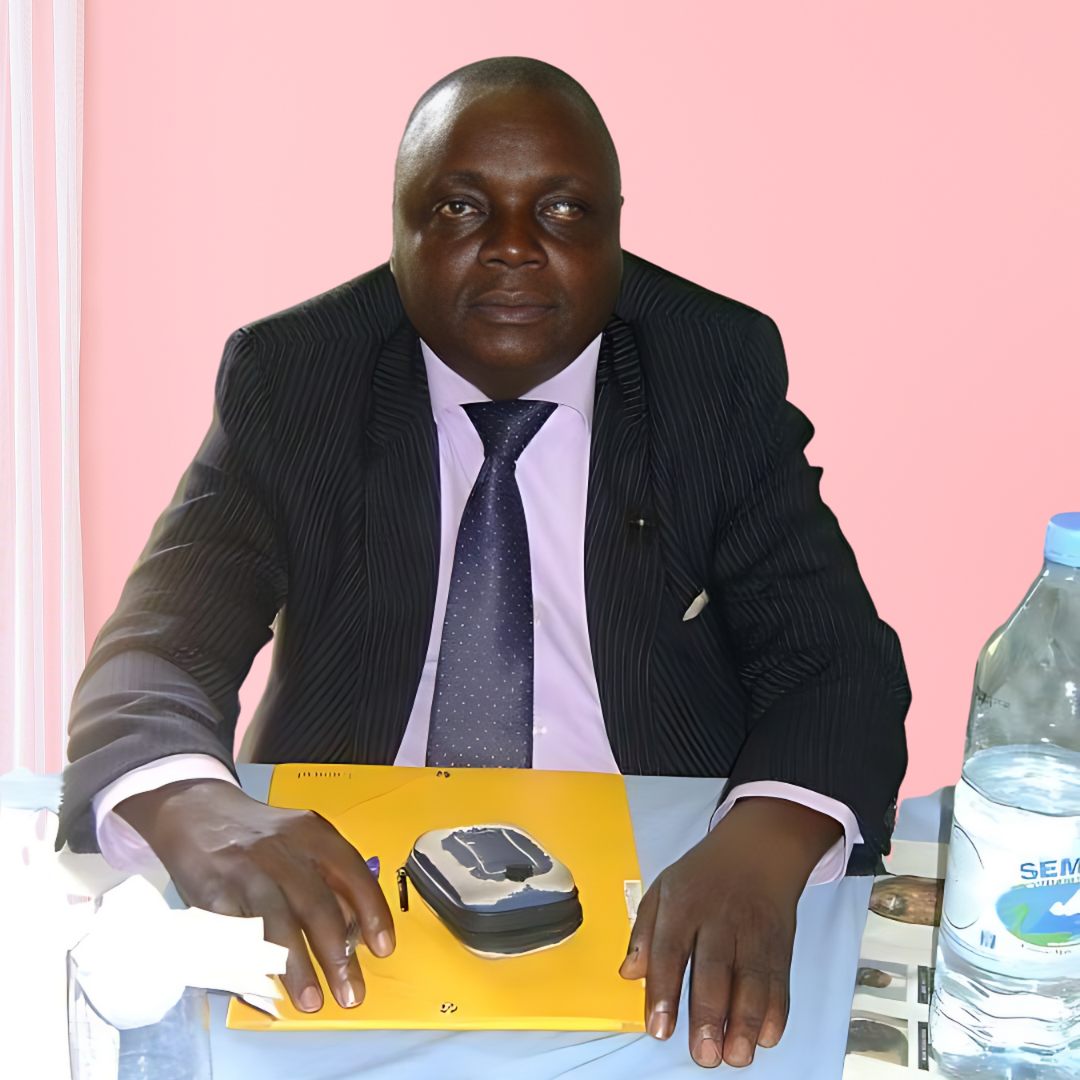
2. Albert Mukong
If there was a “thorn in the side” of the Ahidjo regime, it was Albert Mukong. He was a staunch advocate for the original federal terms agreed upon at the Foumban Conference of 1961.
* The Resistance: Mukong was one of the few who vocally opposed the 1966 move to a single-party system, arguing it violated the constitutional spirit of the federation.
* The Price: Because of his defiance against the 1972 referendum and the suppression of Southern Cameroons’ identity, he spent years in and out of the notorious BMM (Brigade Mixte Mobile) prisons. He later authored Prisoner Without a Crime.
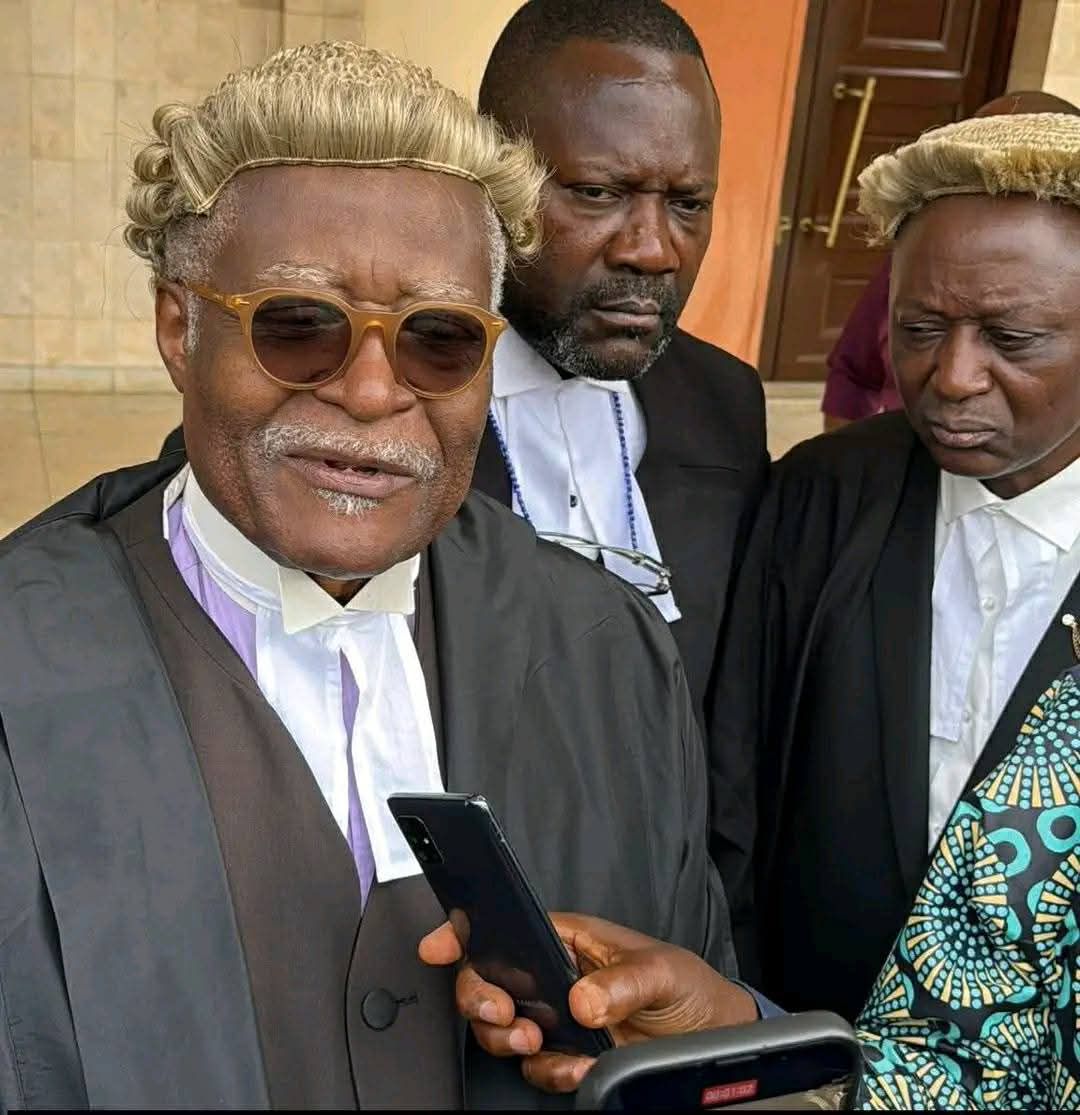
3. P.M. Kale and the “No” Movement
While many high-ranking politicians were coerced into silence, figures like P.M. Kale (a former Speaker of the West Cameroon House of Assembly) represented the old guard that valued the parliamentary system.
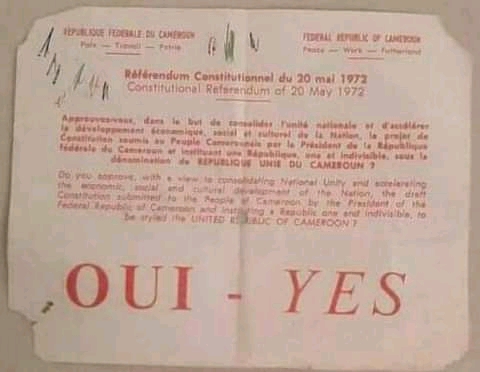
* The 1972 Referendum: The referendum was presented with two options: “Yes” (White ballot) or “Yes” (Green ballot). There was no “No” option. (YES OR OUI?)
* The Grievance: Kale and his contemporaries viewed the referendum as illegal under Article 47 of the Federal Constitution, which forbade any touch to the integrity of the Federation.
Key Policy Erasures & Symbolic Shifts
The resistance wasn’t just about votes; it was about the erasure of cultural milestones.
The Death of Plebiscite Day
Before 1972, February 11 was celebrated as Plebiscite Day to commemorate the 1961 vote, where Southern Cameroonians chose to join the Republic of Cameroon.
* Ahidjo’s Tactic: In an effort to “nationalize” the identity and erase the memory of a separate English-speaking statehood, Ahidjo rebranded it as Youth Day.
* The Reaction: West Cameroonian politicians saw this as a calculated move to make the youth forget that their entry into the union was a voluntary, bilateral agreement between two states.
From Federation to “United Republic”
The 1972 referendum effectively:
* Abolished the office of Vice President (which was traditionally held by a West Cameroonian).
* Dissolved the West Cameroon House of Assembly and House of Chiefs in Buea.
* Changed the flag from two stars (representing two states) to one star.
President & Vice President
Powerful Presidency only
The move to a one-party system was sold as a way to ensure “national unity,” but for many of these politicians, it was the birth of the “Anglophone Problem” that persists today. CAMEROON HAS A BEAUTIFUL HISTORY. WE NEED BOOKS, DOCUMENTARY AND HISTORICAL MOVIES. I LOVE CAMEROON HISTORY. HAPPY YOUTH DAY.
Bye.