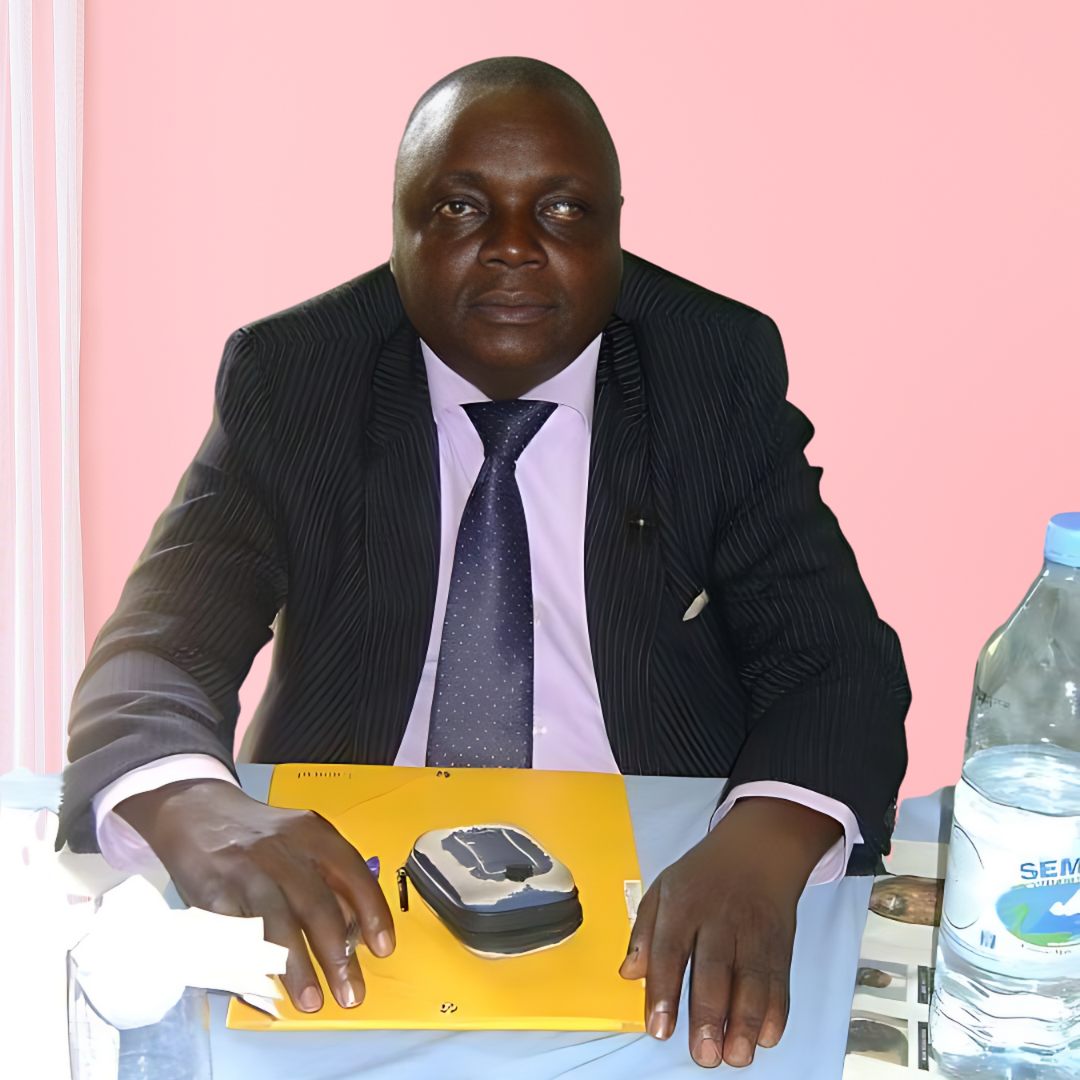
Governor of the North West Region Assures Gradual Return of Peace

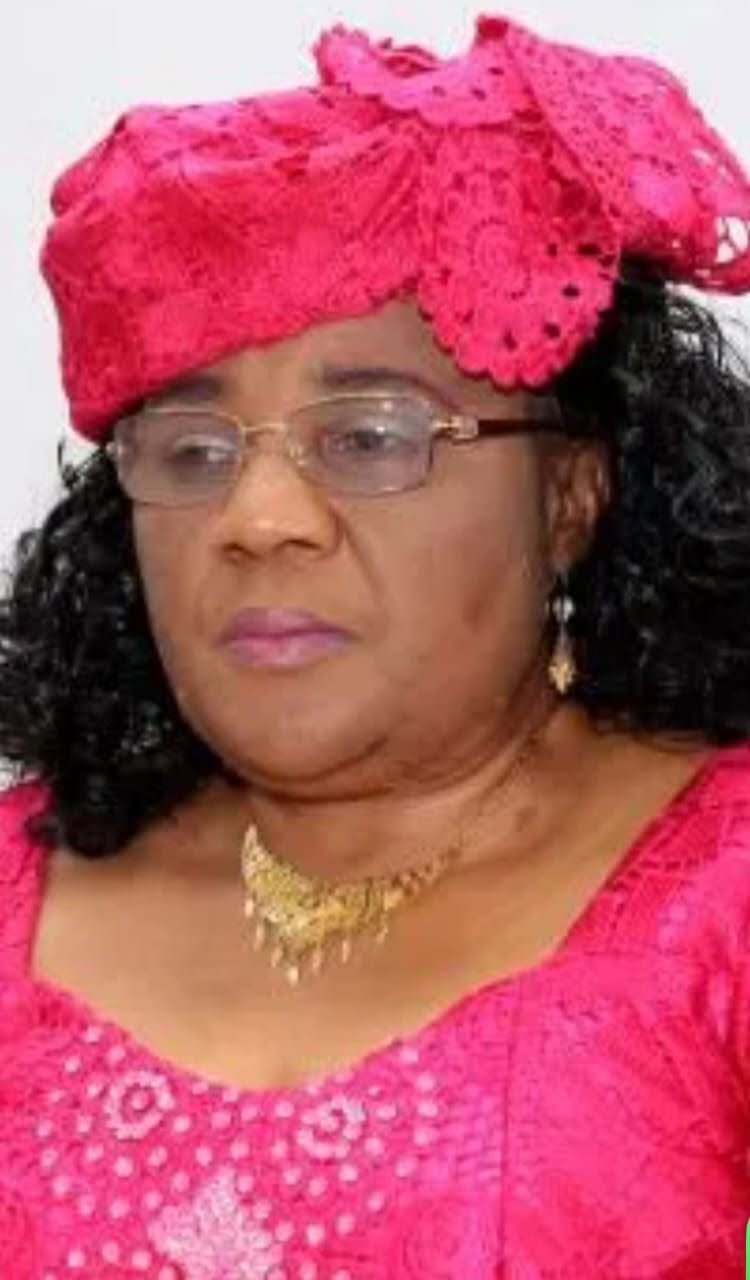
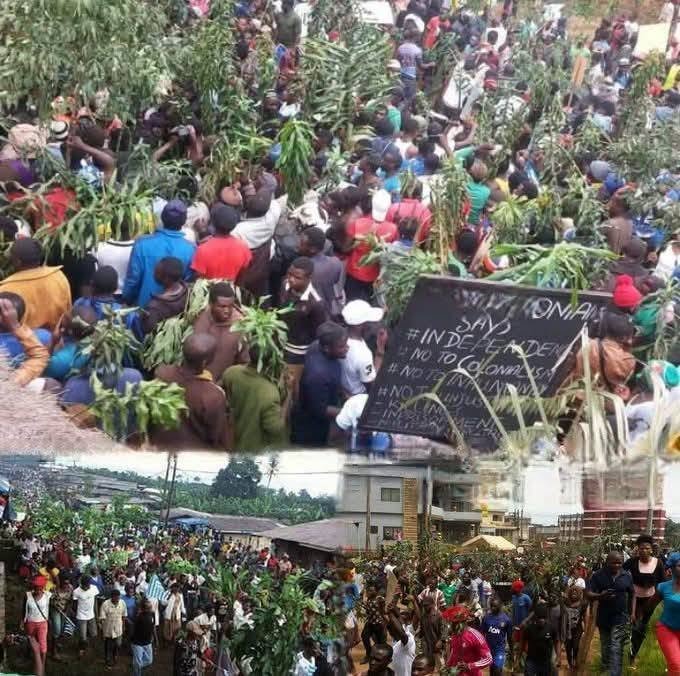
Governor Adolphe Lele L’Afrique has announced that peace is gradually returning to the North West region of Cameroon, which has been affected by a separatist conflict since 2016. This area, known for its English-speaking majority, has seen significant turmoil and loss of life in the past few years. At least 6,000 civilians have been killed by both government forces and armed separatist fighters since the beginning of the conflict.
However, the governor noted that several communities are now actively disengaging from what he called “terrorist elements” and cooperating with defense and security forces. This is a significant step towards the normalization of the region and the return of peace.
Governor L’Afrique made this announcement while chairing an inaugural preparatory meeting ahead of National Unity Day, which takes place on May 20th. The governor emphasized the importance of using this year’s event to showcase the region’s progress toward normalization and to mitigate any potential disruptions to the celebrations. He also noted a growing collaboration between the populace and the defense and security forces.
Odilia Fri Mbanwie, the regional delegate of youth affairs and civil education for the North West, further disclosed plans for the national day to focus on campaigns promoting civic and rural values, combating corruption, and preventing the misappropriation of public funds. These initiatives are part of a broader effort to foster a sense of community and responsibility, which are crucial for the long-term stability of the region.
As Cameroon approaches National Unity Day, there is cautious optimism that the celebrations will mark not just a national holiday, but a turning point in the region’s history. The gradual return of peace to the North West region is a complex and delicate process, requiring the concerted efforts of political leaders, security forces, and the community at large. However, it is a testament to the resilience of the people and the potential for reconciliation and rebuilding.