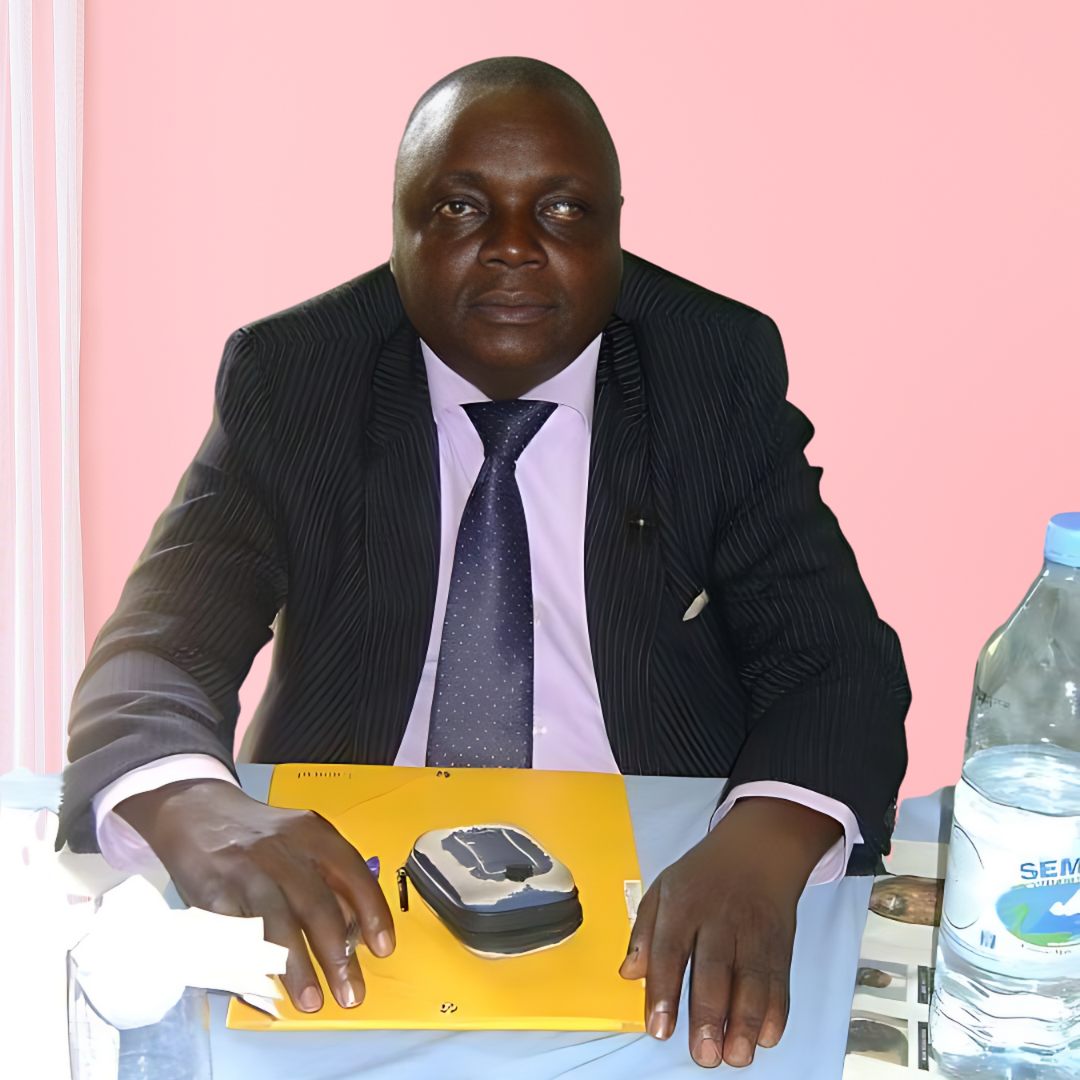
Breaking News: Empty State Coffers in Cameroon RDPC Official Confirms
The State of Cameroon’s Economy: An Analysis
In a candid revelation that has caught the attention of both national and international observers, an official from the ruling party in Cameroon, the Cameroon People’s Democratic Movement (RDPC), has made a startling statement regarding the state of the nation’s finances. The declaration that Cameroon’s state coffers are empty is a significant one, coming from a member of the party that has been at the helm of the country’s governance for decades.
Cameroon, a nation with a rich tapestry of cultural diversity and natural resources, has faced numerous challenges over the years, ranging from political unrest to socio-economic disparities. The RDPC, which has been the dominant political force since its inception, has overseen various phases of the country’s development trajectory. The acknowledgement of depleted state reserves by an RDPC official is indicative of the pressing economic issues that require immediate attention and remedial action.
The economic state of a country is a complex interplay of various factors, including governance, policy-making, resource management, and global economic trends. In Cameroon’s case, the economic challenges are compounded by internal conflicts, particularly in the Anglophone regions, where unrest has led to significant humanitarian concerns and disrupted economic activities. The Far North region of Cameroon has also been grappling with the impact of armed Islamist groups, including Boko Haram and the Islamic State in West Africa Province (ISWAP), further straining the country’s resources.
Moreover, the political landscape in Cameroon has been characterized by a lack of plurality, with the RDPC maintaining a stronghold on power. This has implications for the democratic process and the effective implementation of policies that could stimulate economic growth and stability. The situation is exacerbated by the curtailment of freedom of expression and the risks faced by independent journalists, which can hinder the free flow of information and constructive discourse essential for a healthy economy.
The statement about the empty state coffers is a wake-up call for a comprehensive evaluation of Cameroon’s economic policies and strategies. It underscores the need for transparency, accountability, and inclusivity in the management of the nation’s finances. It also highlights the importance of addressing the underlying issues that contribute to economic instability, such as conflict resolution, social cohesion, and the promotion of sustainable development practices.
As Cameroon navigates through these economic challenges, the role of the international community, regional partnerships, and internal reforms cannot be overstated. All stakeholders must collaborate in crafting solutions that are equitable, sustainable, and forward-looking. The path ahead for Cameroon’s economy will require concerted efforts, innovative approaches, and a commitment to the well-being of all its citizens.
In conclusion, the revelation by the RDPC official is not just a statement about the current economic condition but a call to action for all involved in shaping Cameroon’s future. It is an opportunity to reassess priorities, reinvigorate policies, and rebuild the nation’s economy on a foundation of resilience and prosperity. The journey ahead is challenging, but with collective resolve and strategic action, Cameroon can chart a new course towards economic revitalization and long-term success.
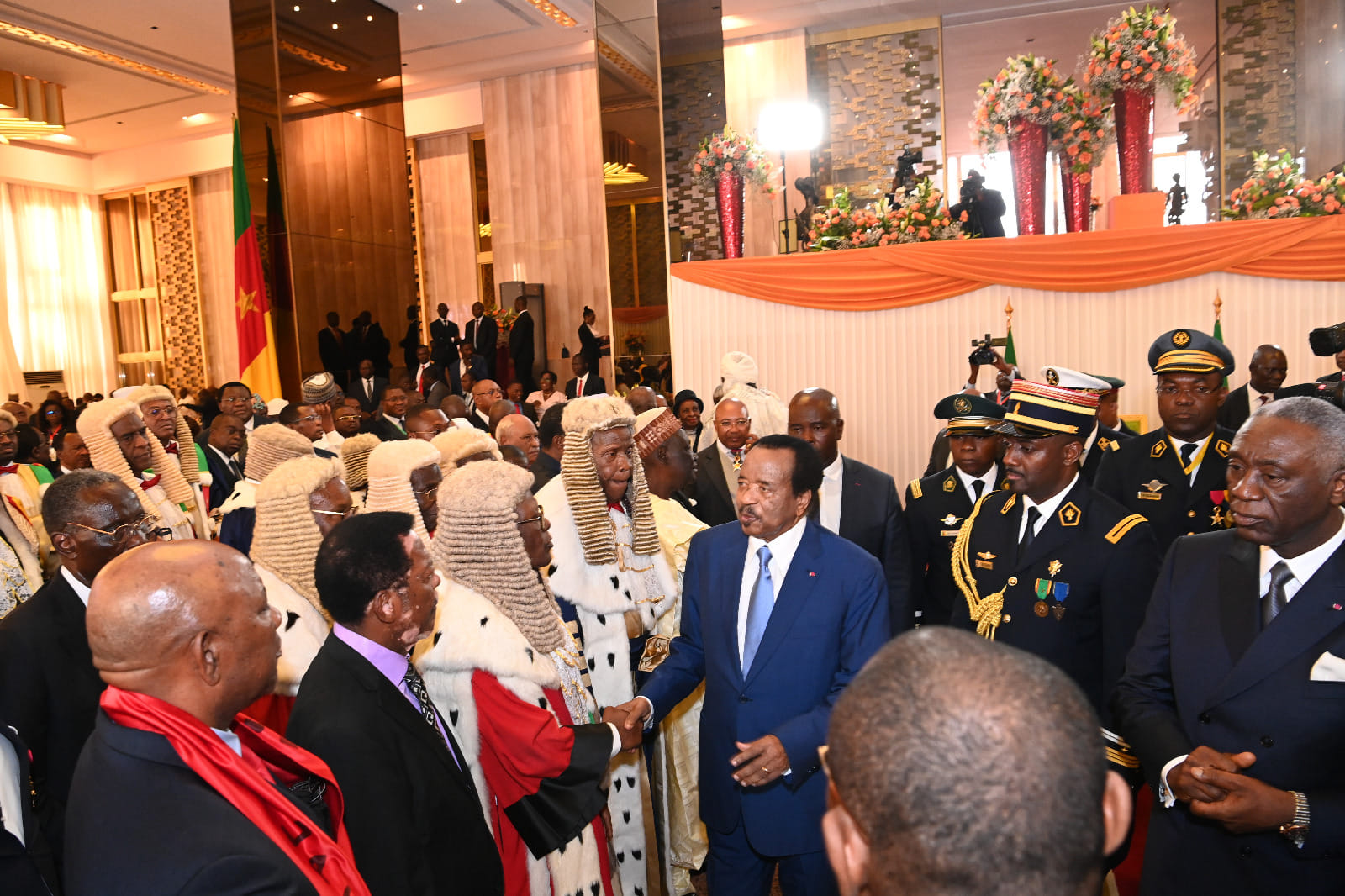
In Cameroon, if the population has been suffering so much in recent years, it is because the state’s resources are quite limited and no longer allow for investment in social safety nets.
The coffers are empty, or at least, there are no longer enough resources, according to Auguste Essomba Asse, an official of the RDPC. In a zeal almost characteristic of all members of this party, which has been in power for over 40 years in Cameroon, Mr. Essomba Asse stated on Sunday, July 7, on the world stage during the Club d’Elites program on Vision4, that the country’s economic situation does not allow it to organize an election.
“The current state of public finances does not allow us to allocate so much money just to organize elections,” declared Auguste Essomba Asse, who is trying to justify the extension of the deputies’ mandate until 2027.
Following the panelist who officially represented the RDPC on this TV show, it is a matter of available resources that led Paul Biya to postpone the organization of legislative and municipal elections.