

Gabon: Libreville airport equips itself with X-ray scanners for more efficient control of goods in 2024
Libreville Airport, the main gateway to Gabon, has taken a significant step forward in enhancing its security and efficiency with the introduction of advanced X-ray scanners for goods control. This move is part of a broader initiative to modernize the airport’s facilities and services, ensuring that it remains at the forefront of aviation safety and customer service.
The new X-ray scanners are designed to provide a more thorough and efficient inspection of goods, reducing the time required for security checks and improving the overall flow of cargo through the airport. With the ability to detect a wide range of materials, including organic and inorganic substances, these scanners are an essential tool in preventing the smuggling of contraband and ensuring compliance with international regulations.
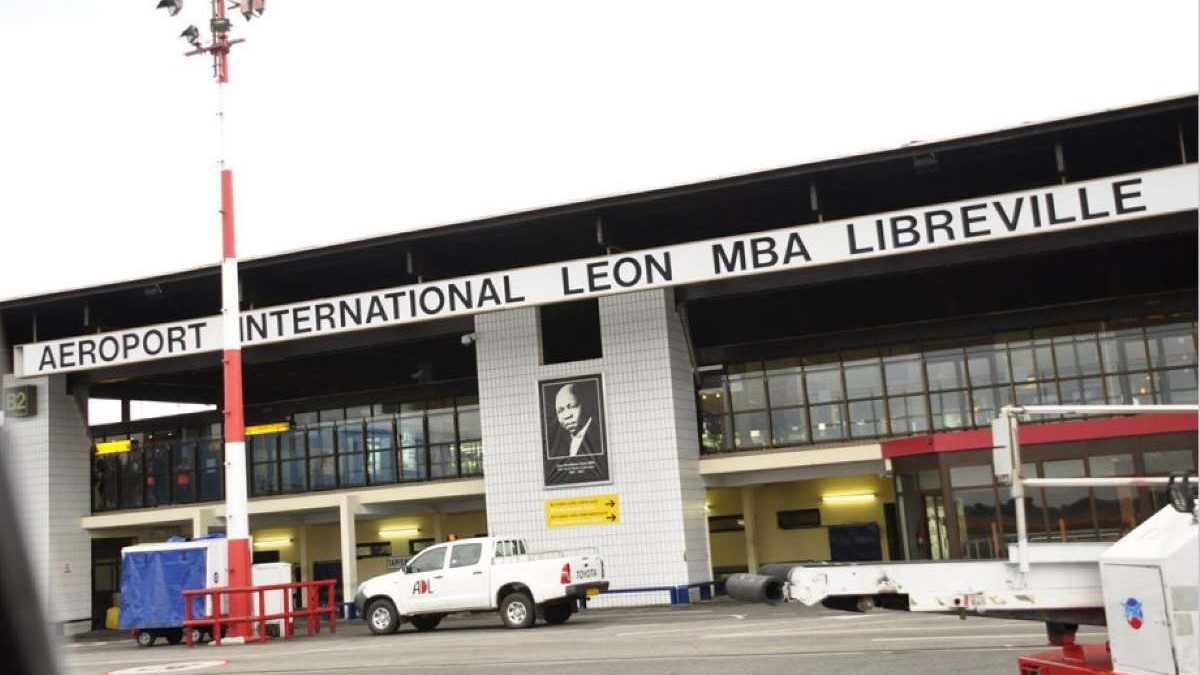
Libreville Airport’s commitment to security is not new. Since its construction in the 1950s, the airport has continually adapted its infrastructure to meet the evolving demands of air travel. Named after the first President of the Republic of Gabon, Leon Mba, the airport has a rich history of growth and innovation. From accommodating large carriers like the Boeing 747 in the late 1960s to the recent advancements in security technology, Libreville Airport has consistently prioritized the safety and satisfaction of its passengers.
The introduction of X-ray scanners is also a response to the increasing volume of passengers and goods passing through the airport. In 2019, the airport saw a transit of 700,000 passengers, a number that has likely grown since then. Efficient control of goods is not only a matter of security but also of economic importance, as it ensures that trade and commerce can proceed without unnecessary delays or risks.
The technology behind these X-ray scanners is fascinating. They operate by sending X-rays through the items being inspected, with a detector capturing the rays that pass through. This data is then used to create an image of the contents, allowing security personnel to identify any irregularities or prohibited items. The process is quick, taking only a few seconds, but the benefits to airport security are immense.
As the world becomes increasingly connected, the role of airports as hubs of international travel and commerce becomes ever more critical. The investment in X-ray scanners at Libreville Airport is a testament to Gabon’s dedication to maintaining high standards of security and efficiency in its aviation sector. It is a move that will undoubtedly benefit passengers, airlines, and the broader economy, reinforcing Libreville’s position as a key player in the region’s air transport network.
For travellers and businesses alike, the enhanced security measures at Libreville Airport offer peace of mind and a smoother, more reliable experience. As the airport continues to evolve, it sets an example for others in the region, demonstrating the value of investing in technology that safeguards not only the passengers and goods but also the reputation of the airport and the nation it serves.
He added: “The installation of these scanners aims to strengthen security while improving the operational capabilities of customs services. It is important to note that it has been five years since customs was equipped with such cutting-edge devices, thus marking a decisive turning point in the modernization of Gabon’s customs infrastructure.”
From 2024 to 2026, Gabon is counting on customs revenues increasing by 29.5%, from 376.6 billion CFA francs in 2024 to 488 billion CFA francs by 2026. This development, according to the government, would be supported by the increase in export revenues, supported by an increase in demand in Asia for imports of manganese ore and processed wood, coupled with an improvement in the taxation of wood products for export.
These performances, we learned, are linked to a certain number of additional measures that will be put in place to optimize customs revenues. These measures concern the reduction of tax expenditure, the securing of revenue collection and the strengthening of actions for the mobilization of tax revenues. To do this, the authorities plan to launch the computerized customs procedure of Sydonia World in the central offices of Oyem and Bitam in the province of Woleu-Ntem, as well as the deployment of new goods scanners…