As Pope Leo XIV Visits Cameroon, the World Must Confront Cameroon’s Forgotten Refugee Crisis
Colbert Gwain | The Muteff Factor (formerly The Colbert Factor)
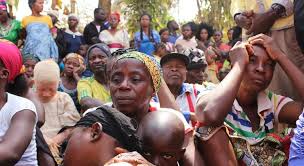
In Muteff, a village in Cameroon’s North West Region, a woman fleeing violence once refused to sit when offered rest. “My home is still burning and my head running,” she said. It was not confusion—it was truth. When violence becomes permanent, even stillness feels like surrender.
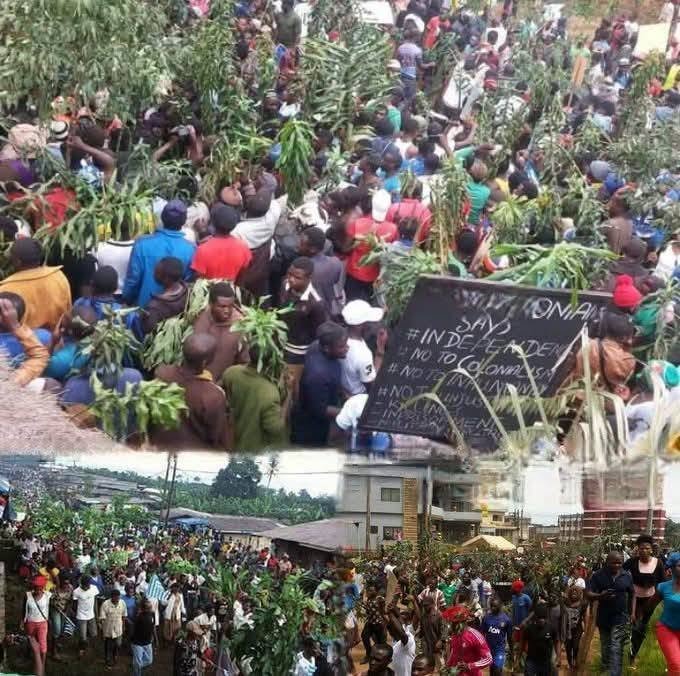
Nearly a decade into Cameroon’s Anglophone conflict, that sense of perpetual flight defines the lives of more than 100,000 refugees who have crossed into Nigeria, and over 600,000 internally displaced within Cameroon. Yet their suffering remains largely invisible—not because it is small, but because it has been allowed to remain so.
The visit of Pope Leo XIV should have been an opportunity to confront this reality head-on. Instead, it risks becoming something else: a powerful symbol overshadowed by a persistent failure of political will.
According to the United Nations High Commissioner for Refugees (UNHCR), more than 100,000 Cameroonian refugees are currently in Nigeria, many in Cross River and Taraba States, where humanitarian conditions remain fragile. Within Cameroon, the Internal Displacement Monitoring Centre estimates that over 600,000 people have been displaced by violence. The United Nations Children’s Fund reports that more than 700,000 children are out of school.
These are not just numbers. They are evidence of communities erased, of futures deferred, of a conflict that has outlived the world’s attention. The Norwegian Refugee Council has repeatedly ranked Cameroon among the world’s most neglected displacement crises. That designation is not accidental. Neglect, in this context, is a choice.
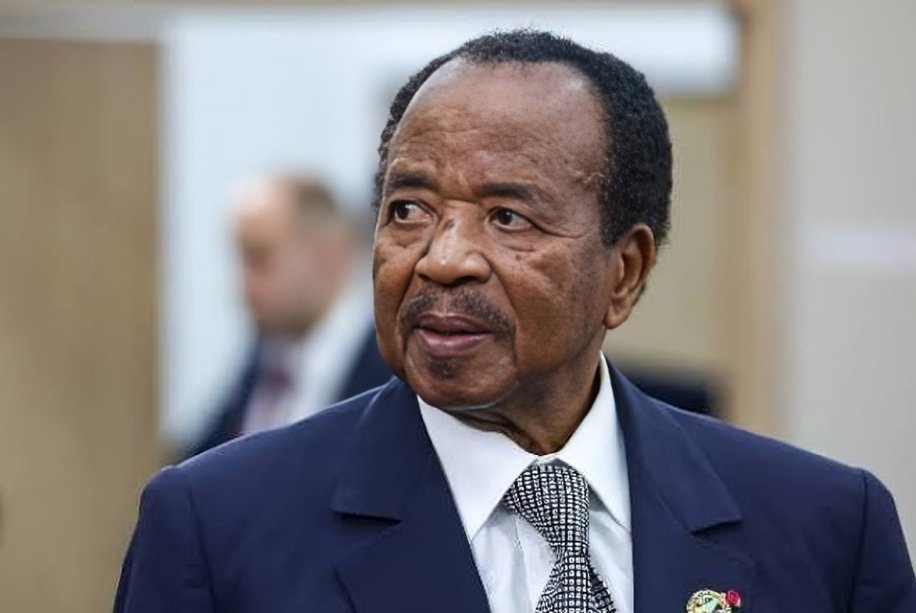
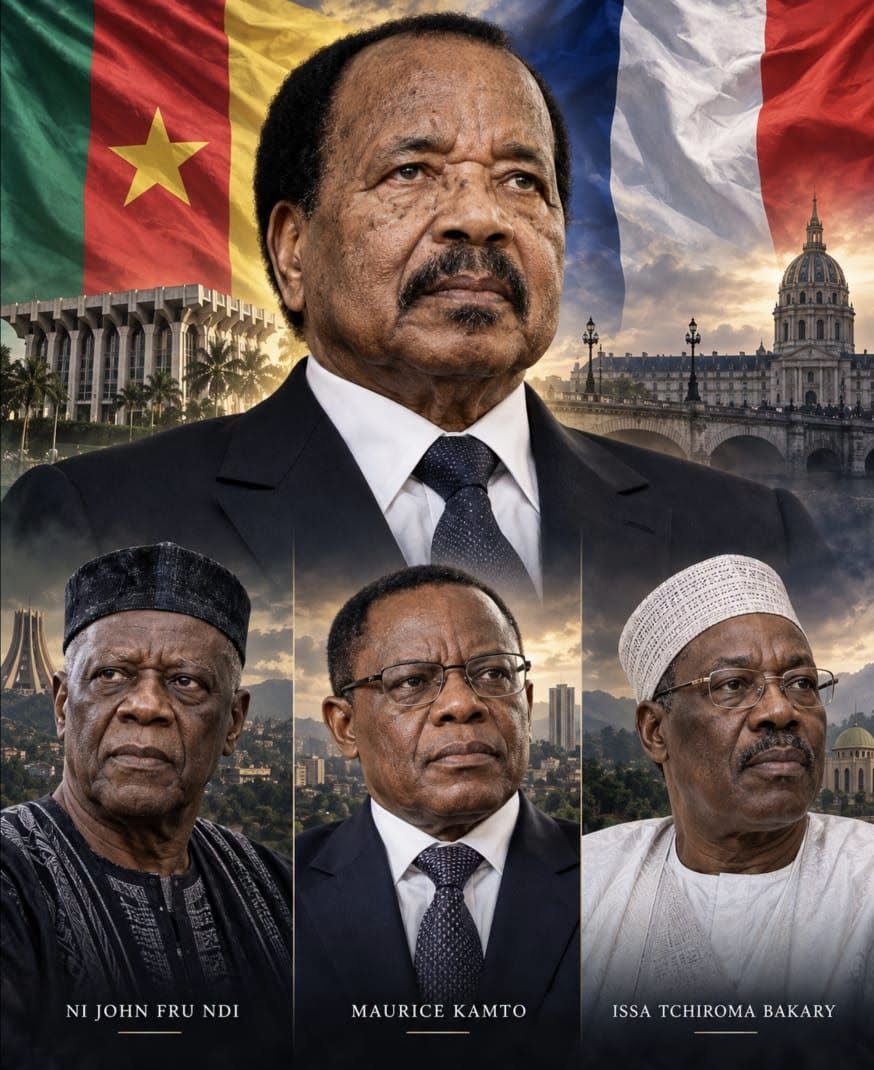
It is the choice of powerful states to prioritise crises that intersect with their geopolitical or economic interests. It is the choice of international institutions to produce reports without ensuring accountability. It is the choice of regional actors to avoid confronting a conflict that demands political courage. And it is the choice of Cameroon’s leadership to treat a fundamentally political crisis as a matter of security alone.
For years, the government has responded to grievances rooted in linguistic marginalisation and governance disparities with militarisation rather than meaningful reform. On the other side, armed separatist groups have entrenched violence that increasingly harms civilians—the very people they claim to defend. Caught in between are ordinary Cameroonians whose primary demand is not ideology, but safety. This is what makes the Pope’s visit both significant and insufficient.
It is significant because it breaks the silence. Papal presence commands attention and reframes the crisis as a moral issue, not merely a political inconvenience. It affirms that the lives of displaced Anglophone civilians matter.
But symbolism, however powerful, does not resolve conflicts.
Refugees in Nigeria continue to face food shortages, inadequate healthcare, and uncertain futures. Humanitarian operations remain underfunded. Within Cameroon, insecurity limits access to those most in need. Meanwhile, the political deadlock that sustains the crisis remains firmly in place.
The danger is that this visit becomes a moment of recognition without consequence—a brief interruption in a longer pattern of indifference. What is required now is not more symbolism, but more pressure.
Pressure on the Cameroonian government to engage in credible, inclusive dialogue that addresses the root causes of the conflict. Pressure on separatist groups to abandon tactics that prolong civilian suffering. Pressure on international actors to move beyond statements and invest in sustained diplomatic and humanitarian engagement. Without such pressure, the crisis will persist—not because solutions are unknown, but because they are not pursued.
Back in Muteff, the woman who refused to sit understood a truth that policymakers often ignore: you cannot rest in the presence of unresolved injustice.
Cameroon’s Anglophone conflict is no longer emerging. It is entrenched. And with each passing year, neglect edges closer to complicity. The Pope is coming, and the world is briefly paying attention. The question is whether that attention will translate into action—or fade, once again, into silence.
References
United Nations High Commissioner for Refugees. Cameroon Situation: Nigeria Operational Updates (2024–2025).
Internal Displacement Monitoring Centre. Global Report on Internal Displacement (2024).
United Nations Children’s Fund. Cameroon Humanitarian Situation Reports (2024).
Norwegian Refugee Council. The World’s Most Neglected Displacement Crises (2023–2024).
As Pope Leo XIV Visits Cameroon, the World Must Confront Cameroon’s Forgotten Refugee Crisis