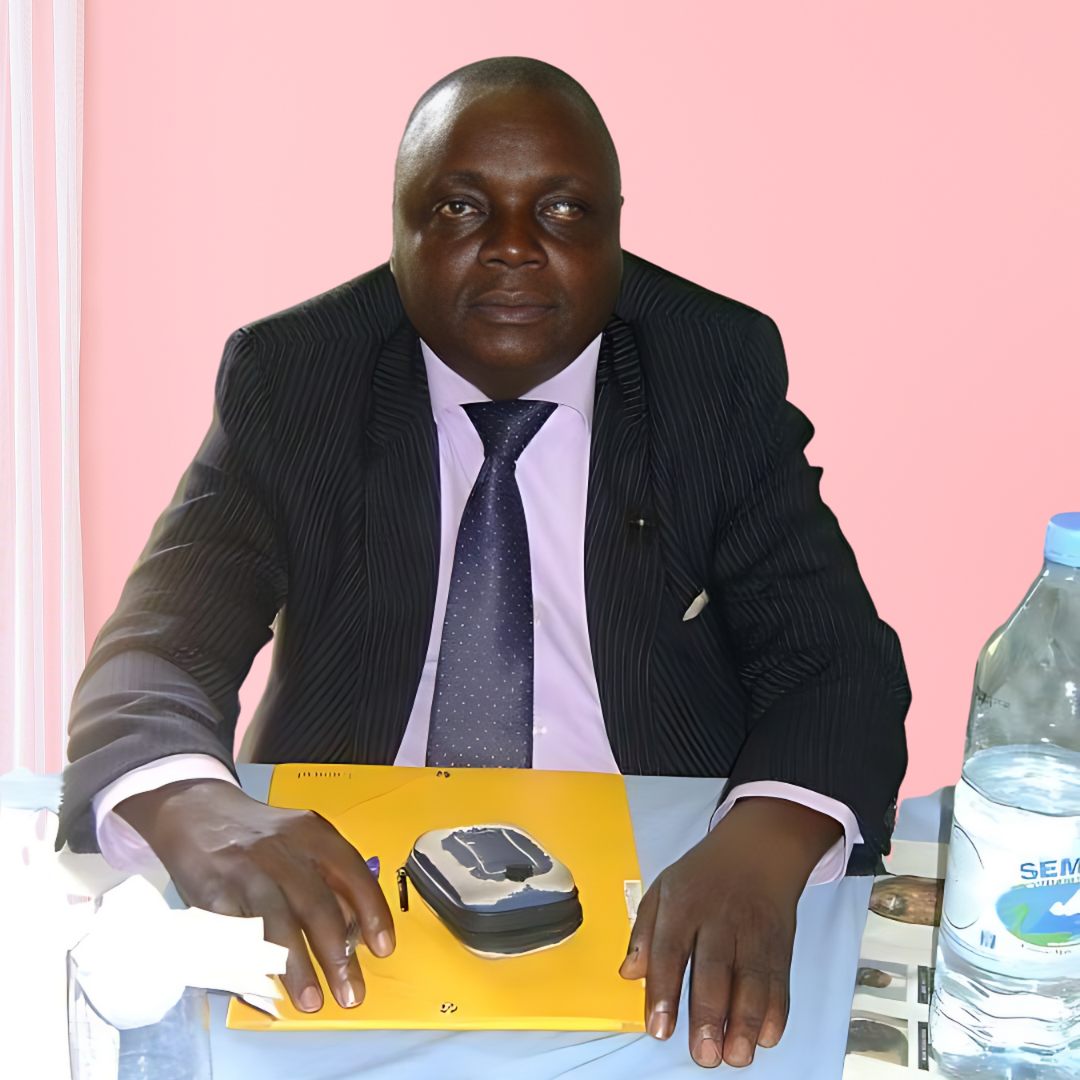
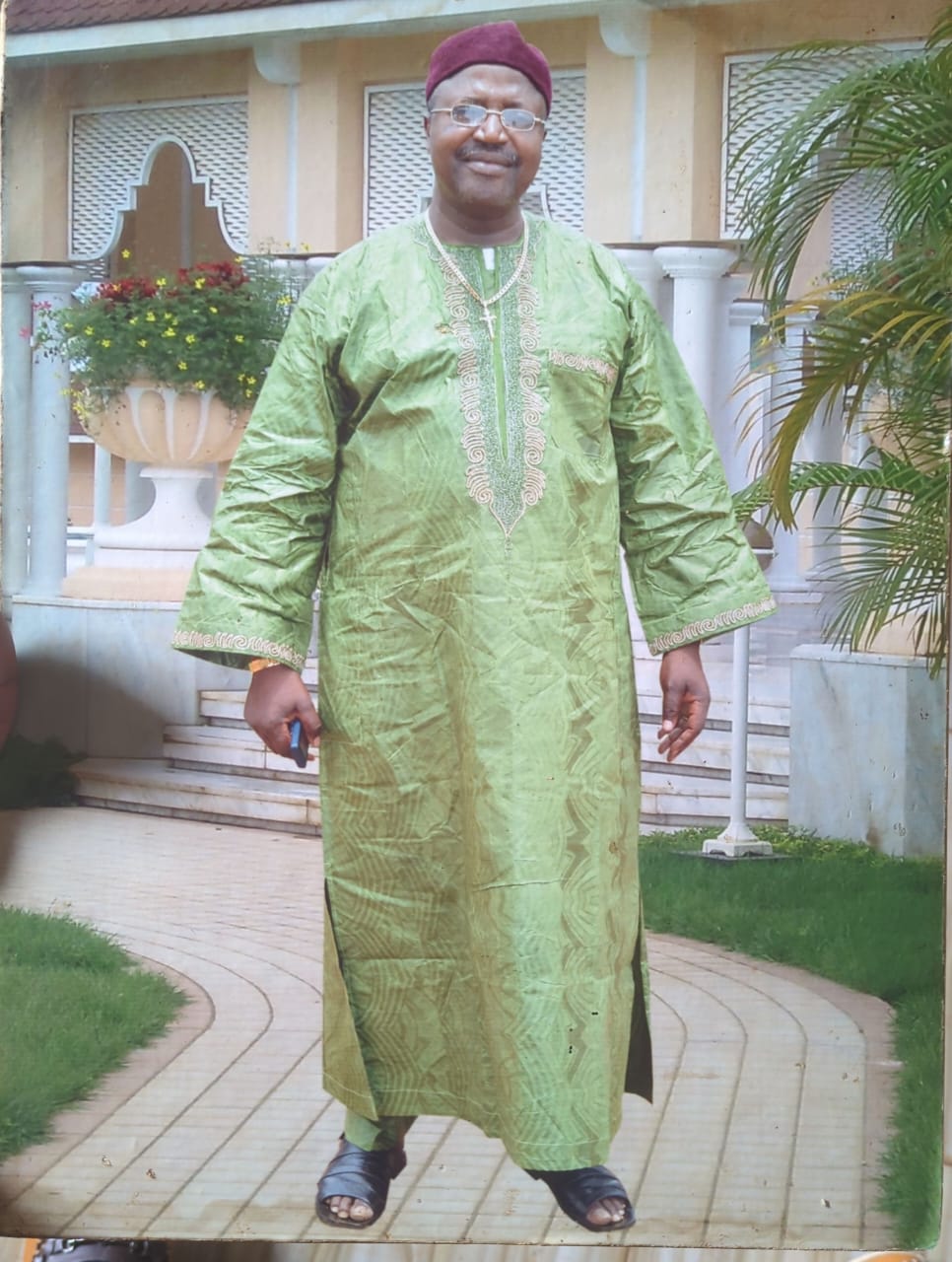
Chris Mbunwe: Grizzled, Daring Bamenda Journalist Finally Gains His Independence in Death
Colbert Gwain | The Muteff Factor (formerly The Colbert Factor)
In Muteff in Fundong municipality, elders tell of an old stone path that once climbed the steep ridge above the village, the only narrow passage linking scattered farms to the heart of Achain fondom. During the rainy season, landslides often buried the trail beneath mud and falling rock, cutting families off from one another and threatening hunger for those whose harvest could not pass through. Yet each dawn, before the village cock crowed, one weathered elder, Bobe Mallah would quietly ascend the slope alone, clearing stones, cutting back thorns, and reopening the path. Never for applause but because he understood that when the road to a people’s survival is blocked, the hardest task is not to complain about the obstruction, but to rise daily and remove it. When he finally died, villagers said the path itself had lost its keeper.
For more than 40 years, Chris Mbunwe was that keeper of the path.
From the mist-covered hills of Bamenda to the battered political conscience of Cameroon, Mbunwe did not merely practice journalism; he cleared dangerous ground. For over four decades, he wielded his pen in relentless defiance against the historical wrongs of Anglophone marginalization, discrimination, and broken promises—the enduring wounds of a people who, in 1961, chose what they believed was independence through union by joining La République du Cameroun, only to spend generations confronting exclusion, inequity, and the erosion of their voice.
He belonged to that grizzled and vanishing order of journalists who understood that in fractured societies, words are not decoration. They are on duty. They are witness. They are resistant. Kini Nsom, Publisher of The Post newspaper and senior Journalist, Choves Loh all gave testimony to Mbunwe’s tenacity even in challenging circumstances. Particularly, Choves Loh had come along with a soothing condolence message from Sir Dr Ntumfor Barrister Nico Halle, national patron of the Cameroon Association of English-speaking Journalists, CAMASEJ.
Like St. Francis de Sales, who carried truth into hostile spaces, Mbunwe used words as moral intervention. Like St. Maximilian Kolbe, who built platforms to defend human dignity, Mbunwe saw journalism as a sacred obligation to the silenced. Like Dorothy Day, who wrote for the forgotten, and like reformers who challenged entrenched power through print, Mbunwe transformed writing into a lifelong confrontation with injustice.
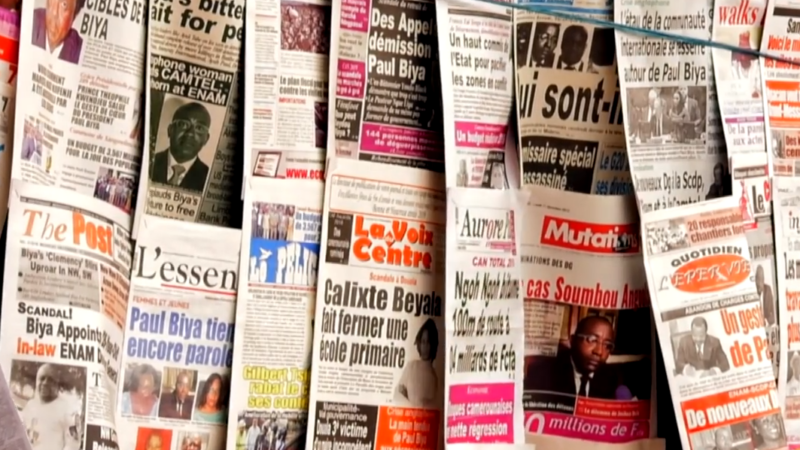
For years, he laboured tirelessly at The Post newspaper, that enduring voice of voiceless Anglophones in Cameroon. There, he became more than a reporter.
He was a civic pathfinder—cutting through propaganda, naming injustice, and chronicling the unresolved contradictions of a nation still wrestling with the consequences of 1961. If he was not shouting at the top of his voice at the talk show program, Press Forum over CRTV Bamenda, he was freely asking unanswered questions over a program he created at Ndefcam Radio and baptized “Where Are We”, WAW.
Yet even after decades of service, he was not finished.
Last year, in what now feels both providential and prophetic, Mbunwe founded his own newspaper—The Champion. It was a title that read less like branding and more like biography: bruised but standing, tested but unbroken. Having spent years strengthening a larger platform as Bamenda Bureau Chief of the emblematic The Post newspaper, he finally raised his own banner, determined to continue clearing a path for truths too often buried.
Then came his final ascent.
On Sunday, April 12, 2026, Chris Mbunwe died as he had lived—working. He reportedly collapsed while writing an article announcing Pope Leo XIV’s visit to Cameroon, poignantly titled: “Cameroon, Here I Come.”
There is something profoundly sacred in that unfinished sentence.
A journalist who spent his life chronicling the struggles of his people died while preparing to announce the arrival of a global spiritual shepherd to their soil. It was as though, to his final breath, Mbunwe remained at his post: still opening roads, still sounding alarms, still preparing the public square for history.
And last Saturday, April 25, 2026, after a Holy Mass celebrated in his honor, Chris Mbunwe was laid to rest at the Bayelle Catholic Church cemetery.
There, beneath sacred prayers and the weight of communal memory, Bamenda did not simply bury a journalist. It buried a path-clearer. A sentinel. A stubborn keeper of public conscience.
Like the elder of Muteff’s Achain hill road, Mbunwe spent his life rising against blockage—political, historical, and moral—so others might pass.
His death marks more than the end of a career. It is the closing of a chapter in which one man’s pen became a machete, a lantern, and a bridge for a marginalized people.
Chris Mbunwe has now laid down his pen.
But for those who still walk the difficult road he spent decades clearing, his work remains underfoot—visible in every hard-won step toward truth, dignity, and remembrance.
Unlike the Southern Cameroons that decided in 1961 to gain independence by joining La Republique du Cameroun, Chris Mbunwe has rather gained independence and his freedom by dying to this sinful world
Chris Mbunwe: Grizzled, Daring Bamenda Journalist Finally Gains His Independence in Death