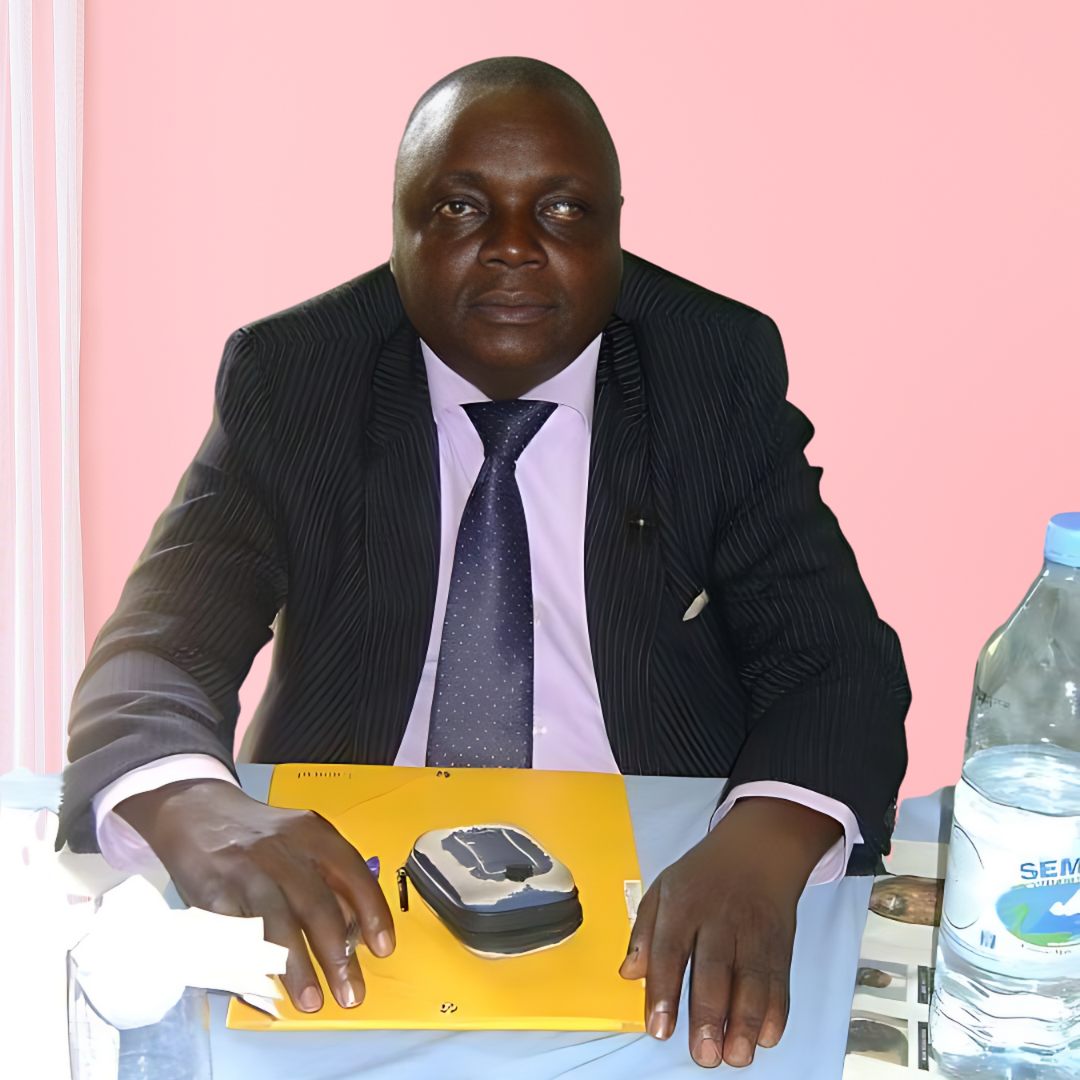

Paul Biya’s prolonged stay abroad, time for the constitutional council to declare a vacancy
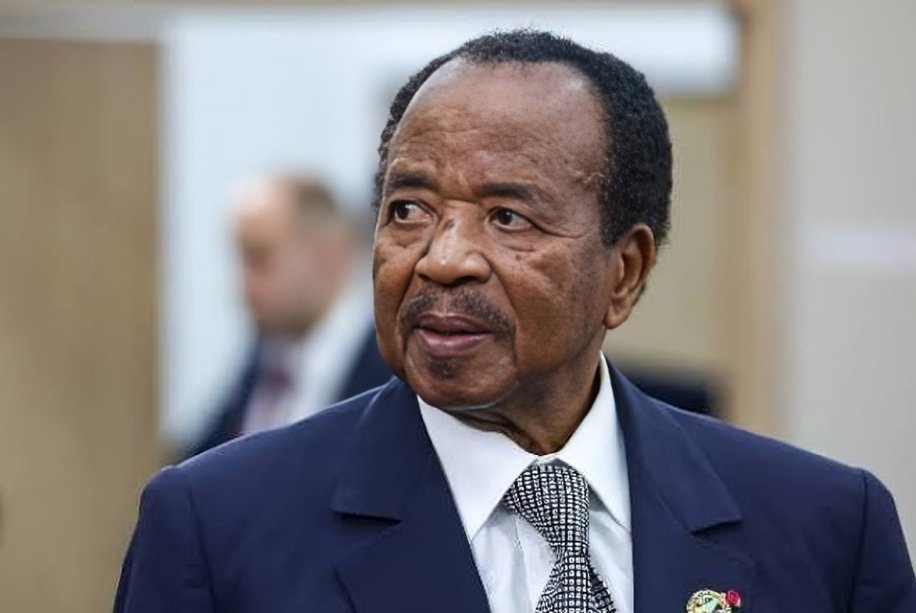
Cameroonian MP Jean Michel Nintcheu on Friday called on the Constitutional Council to address the situation at Etoudi, urging the institution to declare a vacancy at the helm of the State. In a Facebook post, the opposition lawmaker argued that President Paul Biya’s prolonged absence has gone beyond the scope of what was initially presented as a private trip. “The Constitutional Council must declare the vacancy at the top of the State,” he wrote.
President Paul Biya left Yaoundé on 7 June for what the Presidency described as a “short private stay in Europe,” accompanied by First Lady Chantal Biya. Forty days later, he has not been seen publicly. No official photographs, statements, or return date have been released by the Presidency.
According to several media reports, including Jeune Afrique, the president is believed to be staying either at the InterContinental Hotel in Geneva or in a private clinic in the Swiss city after reportedly suffering a health scare during the 20 May National Day celebrations. Cameroon’s Minister of Communication, René Emmanuel Sadi, dismissed reports of hospitalization as “malicious and unfounded,” stating on 18 June that the president would return “as soon as possible.” That return has yet to occur. In early July, several members of the presidential family, including Franck Biya, reportedly travelled to Geneva. On 4 July, Brenda Biya, the president’s daughter, published a video claiming that her father was gravely ill and that those around him were deliberately keeping him out of public view.
Institutionally, the situation has become more complicated following a constitutional amendment adopted by Parliament on 4 April 2026 and promulgated by President Biya on 14 April. The reform created the office of Vice President of the Republic, who is appointed and dismissed by the president and is automatically expected to assume interim presidential duties in the event of death, resignation, or permanent incapacity officially declared by the Constitutional Council. The President of the Senate, previously first in the line of succession, is now second and may only serve as acting president if the vice-president is unable to do so or if the position is vacant.
However, more than three months after the constitutional reform came into force, no vice-president has been appointed. Cameroon, therefore, finds itself in an unprecedented constitutional grey area. Should a vacancy be officially declared today, the interim presidency would, by default, fall to Senate President Aboubakary Abdoulaye, who assumed office on 17 March 2026 following the death of Marcel Niat Njifenji on 11 April 2026. Yet the Constitution does not clearly specify who has the authority to refer the matter to the Constitutional Council for a formal declaration of vacancy, a legal ambiguity that several Cameroonian constitutional experts have already highlighted, even though the constitutional council itself is just a paper tiger.
For now, no official procedure has been initiated to have the Constitutional Council examine the matter



Paul Biya’s prolonged stay abroad, time for the constitutional council to declare a vacancy