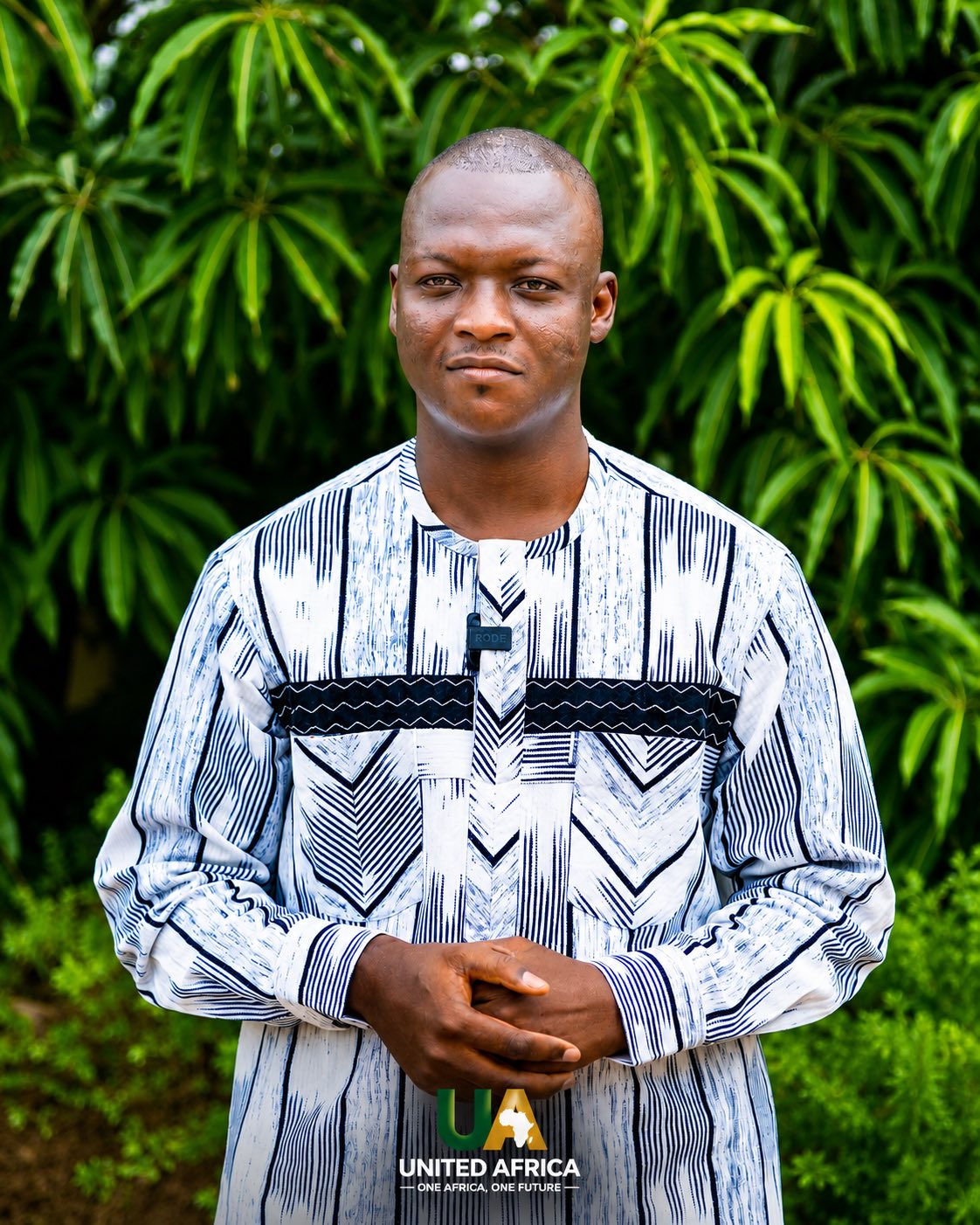

In the wake of the Planned nationwide protests in Nigeria scheduled for August 1st, a prominent human rights lawyer has stepped forward, offering free legal representation to protesters. This gesture comes amidst a tense atmosphere where citizens prepare to express their grievances over various national issues.
The protests, which respond to the country’s economic challenges and governance concerns, have sparked widespread debate and reactions nationwide. With inflation at a crippling 34.2 per cent, the cost-of-living crisis has been exacerbated by policy decisions such as the cancellation of a popular fuel subsidy and steps that devalued the naira, impacting millions of Nigerians.
As the date approaches, there have been reports of intimidation against traders in Lagos markets by thugs, which raises concerns about the potential for violence and the safety of those who wish to exercise their right to peaceful assembly. In contrast, organizations like the Peace Corps of Nigeria are urging citizens to seek dialogue with President Bola Tinubu and to reconsider the planned protests.
The government has taken measures to secure correctional facilities, declaring them ‘Red Zones’ and activating the Ministry of Interior Joint Taskforce to provide extra security around these sites. This move indicates the level of caution being exercised by authorities in anticipation of the protests.
Amidst this backdrop, the offer of free legal assistance by the human rights lawyer is a significant development. It underscores the importance of legal rights and the protection of civil liberties, especially in times of public dissent and expression. The lawyer’s commitment to providing legal aid is a reminder of the role that legal professionals can play in upholding justice and supporting the democratic process.
As Nigerians from various walks of life voice their opinions and prepare to take to the streets, the nation watches with bated breath. The protests represent not just a call for economic relief but also a test of the country’s commitment to democratic values and the right to peaceful protest. The coming days will be crucial in shaping the narrative of governance and civic engagement in Nigeria.