The Case of Abdul Karim: A Legal and Political Quandary in Cameroon

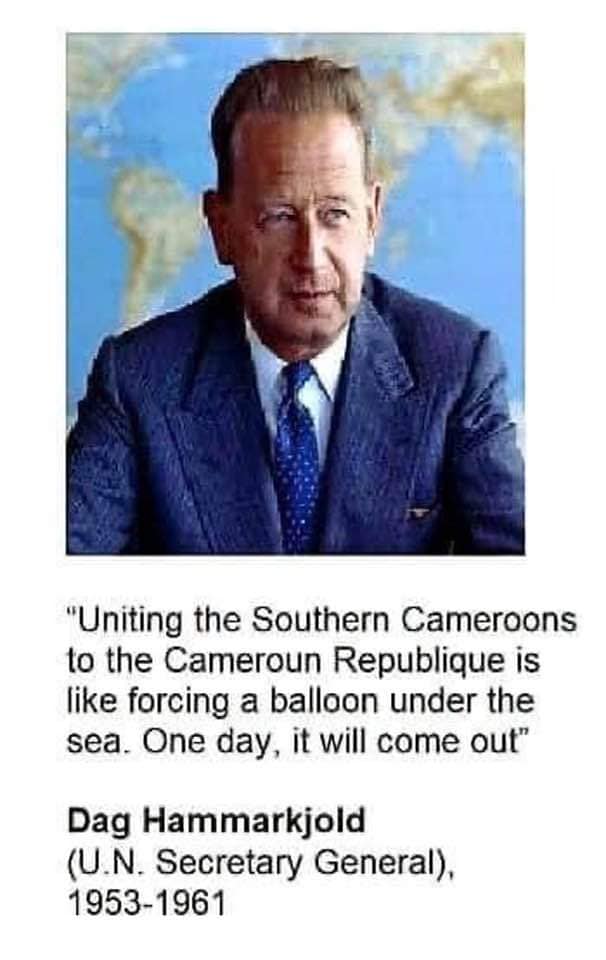
The situation surrounding Abdul Karim Ali, an Anglophone activist and Muslim scholar, has garnered significant attention and raised questions about the legitimacy of the judicial process in Cameroon. Abdul Karim has been in pre-trial detention since 2022 and has refused to stand trial, arguing that the courts in Cameroon lack the legitimacy to try him. This stance brings to the forefront the ongoing tensions and crises within the English-speaking regions of Cameroon, where there is a call for the creation of a separate state known as Ambazonia.
Abdul Karim’s refusal to stand trial is rooted in his identification as a “Southern Cameroonian or Ambazonian national,” a declaration that underscores the deep-seated political and identity issues at play. His case is emblematic of the broader Anglophone Crisis, which has seen increased calls for autonomy and has been marked by violence and human rights concerns.
The legal implications of Abdul Karim’s refusal are complex. On one hand, it challenges the authority of the Cameroonian judicial system, while on the other, it highlights the need for a dialogue and a peaceful resolution to the conflict. The international community, including organizations like Amnesty International, has expressed concern over Abdul Karim’s prolonged detention without charge and has called for his immediate release if he is being held solely for exercising his right to freedom of expression.
The Abdul Karim case serves as a reminder of the delicate balance between state sovereignty and individual rights, especially in contexts where political dissent is intertwined with calls for self-determination. It also raises critical questions about the role of international mediation and the importance of respecting human rights standards.
As the situation develops, it will be important to monitor the responses from both the Cameroonian government and the international community. The resolution of Abdul Karim’s case could set a precedent for how similar cases are handled in the future, not only in Cameroon but in other regions facing similar challenges.
The case of Abdul Karim is more than a legal battle; it is a reflection of the ongoing struggle for identity, autonomy, and human rights in Cameroon. It is a complex narrative that requires careful consideration and an informed approach to ensure that justice and peace prevail.