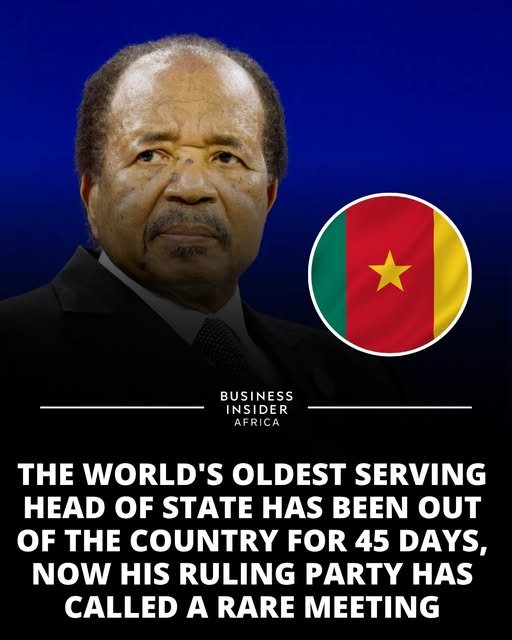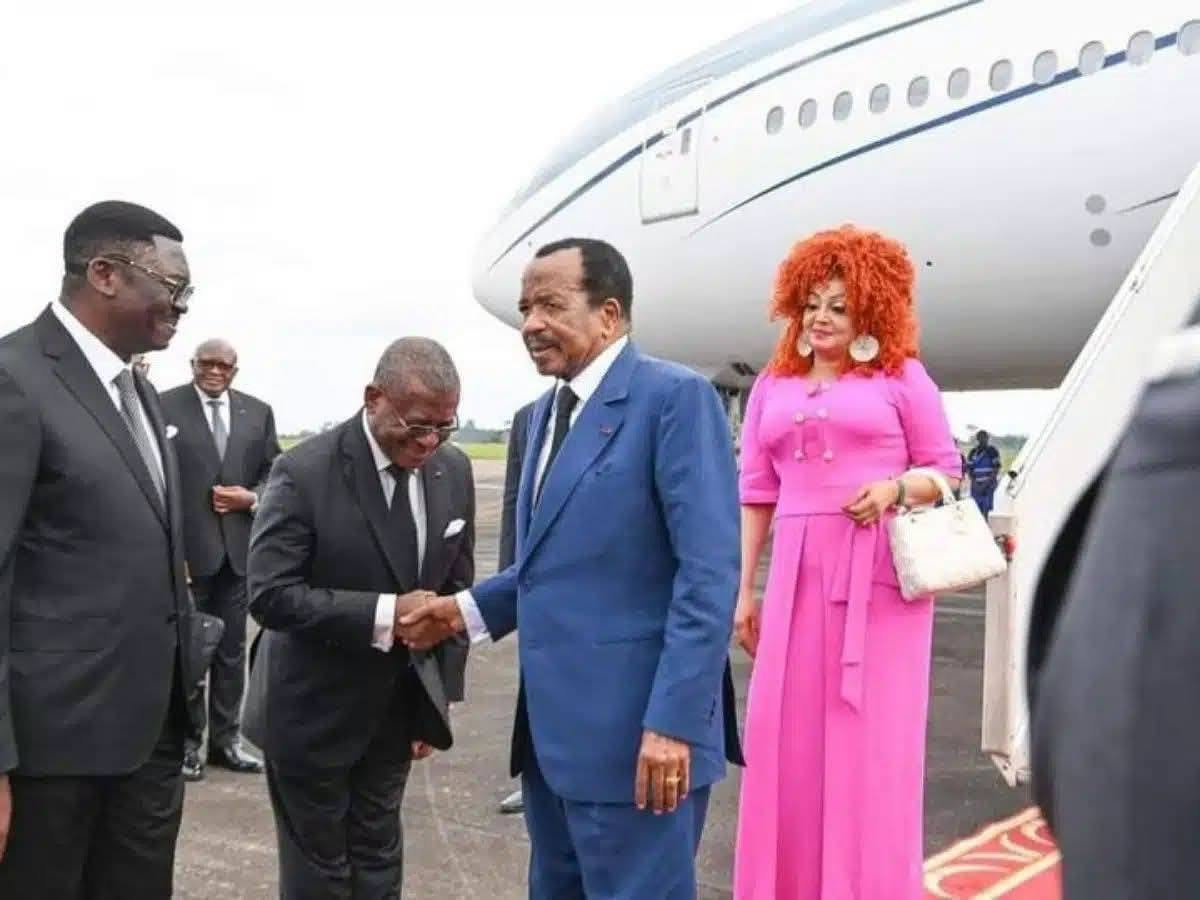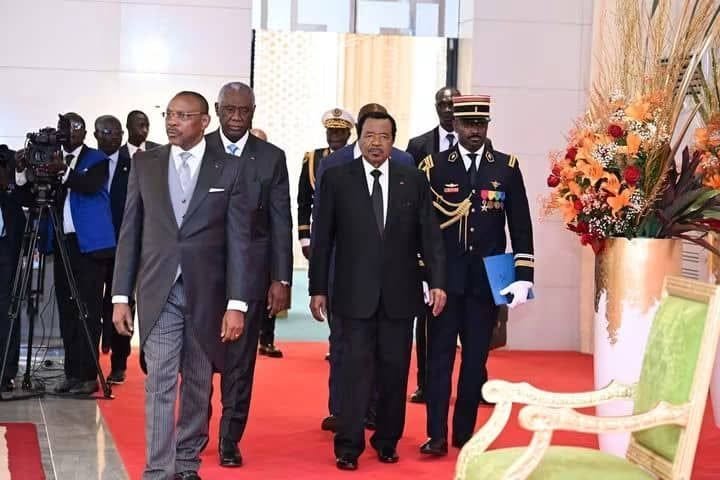

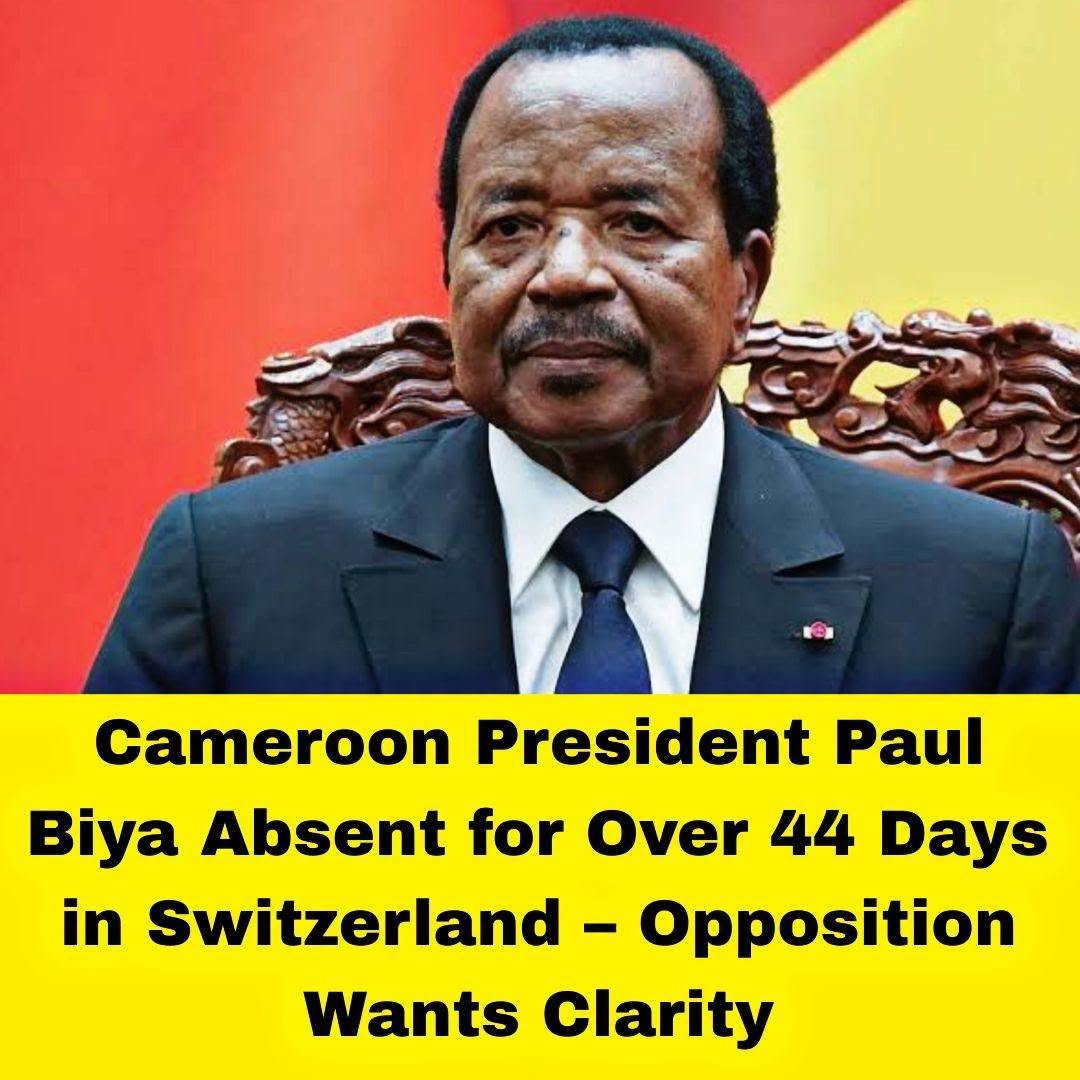
After Paul Biya’s Departure, Cameroon would likely transition to a new political landscape. The country’s political future hinges on the process of succession, whether through a constitutional mechanism, a power struggle, or potential reforms.
Here’s a breakdown of potential scenarios and factors:
1. Constitutional Succession:
If Biya were to leave office through constitutional means (retirement, death, or resignation), the Prime Minister, currently Joseph Ngute, would likely assume the presidency temporarily.
A new presidential election would then be organized according to the Constitution.
The ruling party, Cameroon People’s Democratic Movement (CPDM), would be a major player in this process, potentially fielding a new candidate.
The constitution allows for a seven-year renewable presidential term.
2. Power Struggle and Instability:
Without a clear succession plan, a power struggle could erupt between different factions within the CPDM, the military, and other political groups.
This could lead to instability, potentially involving violence and unrest, particularly given the existing separatist movements in the Anglophone regions.
3. Potential for Reforms:
A new leader might be more open to democratic reforms, including constitutional amendments, political liberalization, and addressing human rights concerns.
This could involve greater power-sharing, a more independent judiciary, and a more competitive electoral system.
However, the extent of these reforms would depend on the new leader’s political agenda and the prevailing political climate.
4. External Influences:
France, historically a key ally of Cameroon, could play a significant role in the transition, potentially supporting a particular candidate or advocating for a stable and peaceful transfer of power.
Other international actors, such as China, which has increased its economic presence in Cameroon, could also exert influence.
5. Economic Factors:
Cameroon’s economy, heavily reliant on oil and agriculture, could face challenges during a period of political transition.
The new government would need to address issues of poverty, inequality, and unemployment.
In conclusion, the post-Biya era in Cameroon presents a complex set of challenges and opportunities. The transition could be peaceful and lead to a more democratic and prosperous Cameroon, or it could be marred by instability and conflict. The specific path Cameroon takes will depend on a multitude of factors, including the actions of political actors, the strength of institutions, and the influence of external actors
Copied….
Question: what about the winner of the last presidential election?
Cameroon needs #DIVINE_INTERVENTION!




Cameroon After Paul Biya