Cameroon Must Stop Asking “Where is Paul Biya?” and Start Asking “What Comes After Paul Biya?”
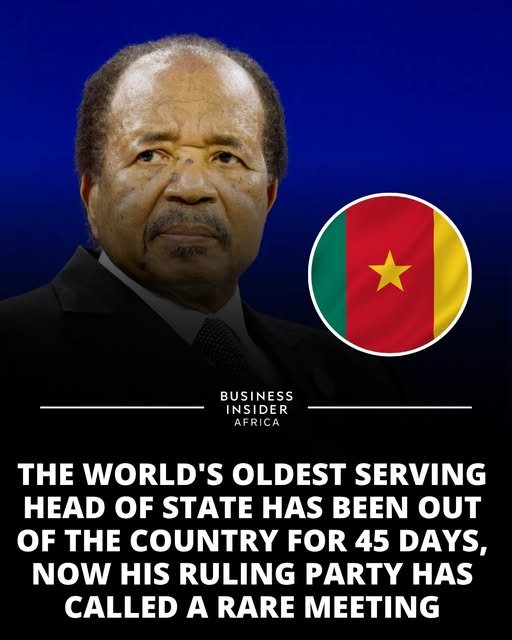
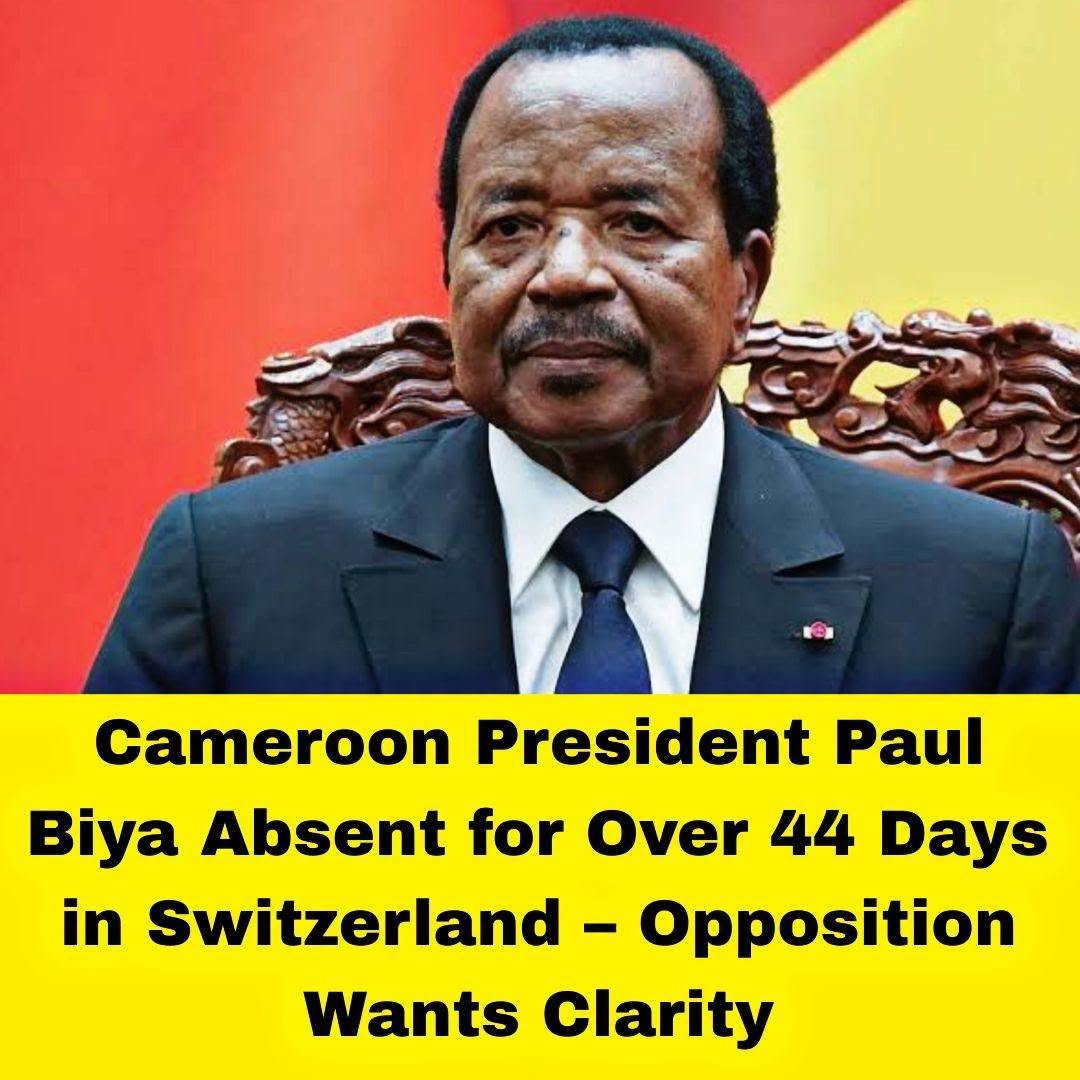
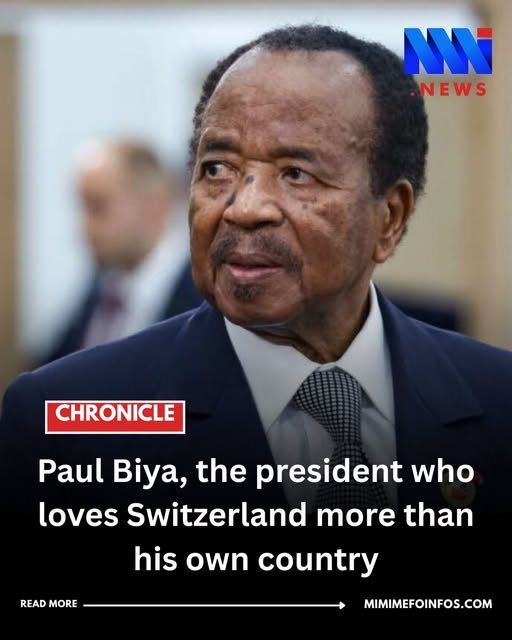
The debate dominating social media today is simple: Where is President Paul Biya?
For days and weeks, hundreds of Cameroonians have demanded answers. Some have expressed concern, others frustration, and many have questioned why the nation has received so little official communication.
But I believe we are asking the wrong question.
President Paul Biya is 93 years old. He has led Cameroon for over four decades. Like every human being, he deserves the right to rest, to spend time with his family, to take a holiday, or to receive medical treatment if necessary. No reasonable person should deny him that dignity.
The real question is not where President Biya is.
The real question is why the absence of one man can leave an entire nation searching for answers.
That is not the failure of one individual.
It is the failure of the institutions of the Republic.
A constitutional democracy should never depend on the physical presence of its President. It should depend on the strength of its Constitution and the institutions entrusted with defending it.
Where is the Constitutional Council?
Where is the National Assembly?
Where are the constitutional guardians whose duty is to reassure the nation that government continues to function according to law?
Why has Parliament not exercised its constitutional responsibility to reassure the people?
Why have the institutions remained silent while uncertainty continues to grow?
Institutions do not exist for ceremonial occasions. They exist precisely for moments like this.
Their silence sends a dangerous message—that the Republic revolves around one individual rather than the Constitution.
That should concern every Cameroonian, regardless of political affiliation.
The question every citizen should now ask is not, “Where is President Biya?”
The question should be:
What happens after President Biya?
Is Cameroon prepared for a constitutional transition?
Will the Cameroonian people genuinely decide who becomes the next President?
Or will the next leader be presented to the nation as a decision already made elsewhere?
If ordinary Cameroonians have no meaningful influence over who succeeds the Head of State, then we must ask ourselves an uncomfortable question:
Who truly owns political power in Cameroon?
That question leads to another.
Who does the Republican Army serve?
Who do the security forces protect?
Do they protect the Constitution and the people?
Or are they expected to defend individuals, political interests or powerful networks?
In every genuine republic, the answer is obvious. The armed forces swear allegiance to the Constitution, not to personalities. Their highest duty is to the nation and its citizens.
Cameroon deserves nothing less.
Sadly, many people say, “Only in Cameroon could this happen.”
That statement should not make us angry.
It should make us determined.
It should force us to ask why our institutions inspire so little public confidence and what must change to rebuild that trust.
For years we have blamed leaders, blamed governments, blamed political parties and blamed one another.
Perhaps it is also time for our generation to look in the mirror.
We have failed to build institutions stronger than individuals.
We have allowed political division to weaken our national voice.
We have often preferred personalities over principles and loyalty over accountability.
History will judge us not only for what we do and continue to do, but also for what we have all failed to do.
My own conclusion may surprise some.
If we truly want to change Cameroon, we cannot remain permanent spectators and actorson socialmedia. We cannot simply criticise from outside forever.
Where possible, we must enter political parties, public institutions and state structures not to preserve a broken system, but to reform it from within.
Nations are transformed when principled men and women choose service over surrender, courage over silence and constitutional duty over personal interest.
Cameroon’s future will not be secured by endlessly asking where President Paul Biya is.
It will be secured only when no President, present or future, is greater than the Constitution, when no institution is afraid to fulfil its legal duty, and when every transfer of power belongs not to a select few but to the sovereign people of Cameroon.
That is the Cameroon worth building.
A Cameroon that brings all its people together for the change it wants and for the common good of all its citizens and not division, tribalism, nepotism and hatred.
That is the debate our nation should be having.


Cameroon Must Stop Asking “Where is Paul Biya?”