Exploring the Potential of Canadian Bilingualism and Biculturalism as a Model for Resolving Cameroon’s Anglophone Crisis
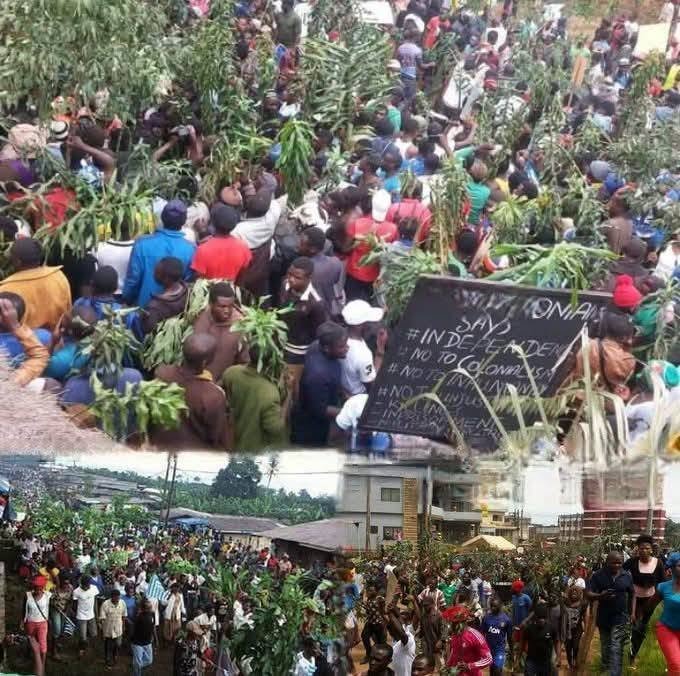
The Anglophone Crisis in Cameroon is a complicated and multifaceted issue that has historical, political, and social dimensions. According to a former US diplomat, the crisis could have been prevented if Cameroon had followed Canada’s approach to dealing with its linguistic and cultural diversity. Canada is often cited as a successful example of bilingualism and biculturalism, where both English and French are official languages and cultural diversity is celebrated. The country has established mechanisms to ensure that both linguistic communities can access services in their language and are represented in government. Cameroon could learn from Canada’s model of inclusivity and representation to address the tensions between the French-speaking majority and English-speaking minority that have resulted in significant unrest and violence.

Canada’s approach to conflict resolution, which emphasizes dialogue and inclusivity, has been evident in its response to the Anglophone Crisis. Canada has played an active role in facilitating peace processes aimed at resolving the ongoing conflict in Cameroon’s North-West and South-West regions. The Canadian government’s involvement in these efforts demonstrates its commitment to promoting peace, security, democracy, and human rights.
However, the situation in Cameroon is unique, with its historical context and challenges. While the comparison to Canada’s model is insightful, it may not fully account for the complexities on the ground in Cameroon. Nevertheless, the idea of learning from other nations’ experiences in managing linguistic and cultural diversity is valuable. It suggests that there may be alternative paths to conflict resolution that involve inclusive dialogue and respect for the cultural and linguistic rights of all citizens.
The former diplomat’s remarks highlight the significance of looking at international examples as potential sources of inspiration for conflict resolution. While no two situations are identical, the principles of inclusivity, representation, and respect for diversity are universal values that can guide efforts toward peace and stability.
Tibor Nagy, former United States Under Secretary of State for African Affairs, stated that the ongoing crisis in the English-speaking Regions could have been avoided if the government had learned from Canada’s approach to minority rights. Nagy lamented the failure of the Cameroon government to adopt Canada’s approach to minority rights. His comments underscored the deep-seated grievances among Anglophones in Cameroon, who have long complained of marginalization and discrimination by the Francophone-dominated government.
In a post on X, formerly Twitter, Nagy tweeted on Monday, April 15, “Having just been to Canada to see how the 80% Anglophone majority treats the Francophone minority with dignity makes me grieve for Cameroon’s Ambazonians. If only Cameroon’s Francophone regime dealt with their Anglophones the same way, there would be no Ambazonia conflict. Tragic!” Nagy’s support for Ambazonia’s separatist movement is not new. Following his departure from the US government in 2020, he became a vocal supporter of Ambazonia, advocating for the creation of a breakaway state.
Nagy’s stance has evolved, from advocating for a united Cameroon to endorsing secession as the solution to the Anglophone crisis. In 2021, when he was no longer in a position of power, his views changed. Instead of pushing for genuine dialogue, he became an advocate for secession as the only way out of the current predicament. Nagy has been advocating for Southern Cameroonians to take their destiny into their own hands and not rely on the international community to create the State of Ambazonia for them.