Patrice Motsepe plans 360B CFA franc investment in Congo phosphate mining by 2025.
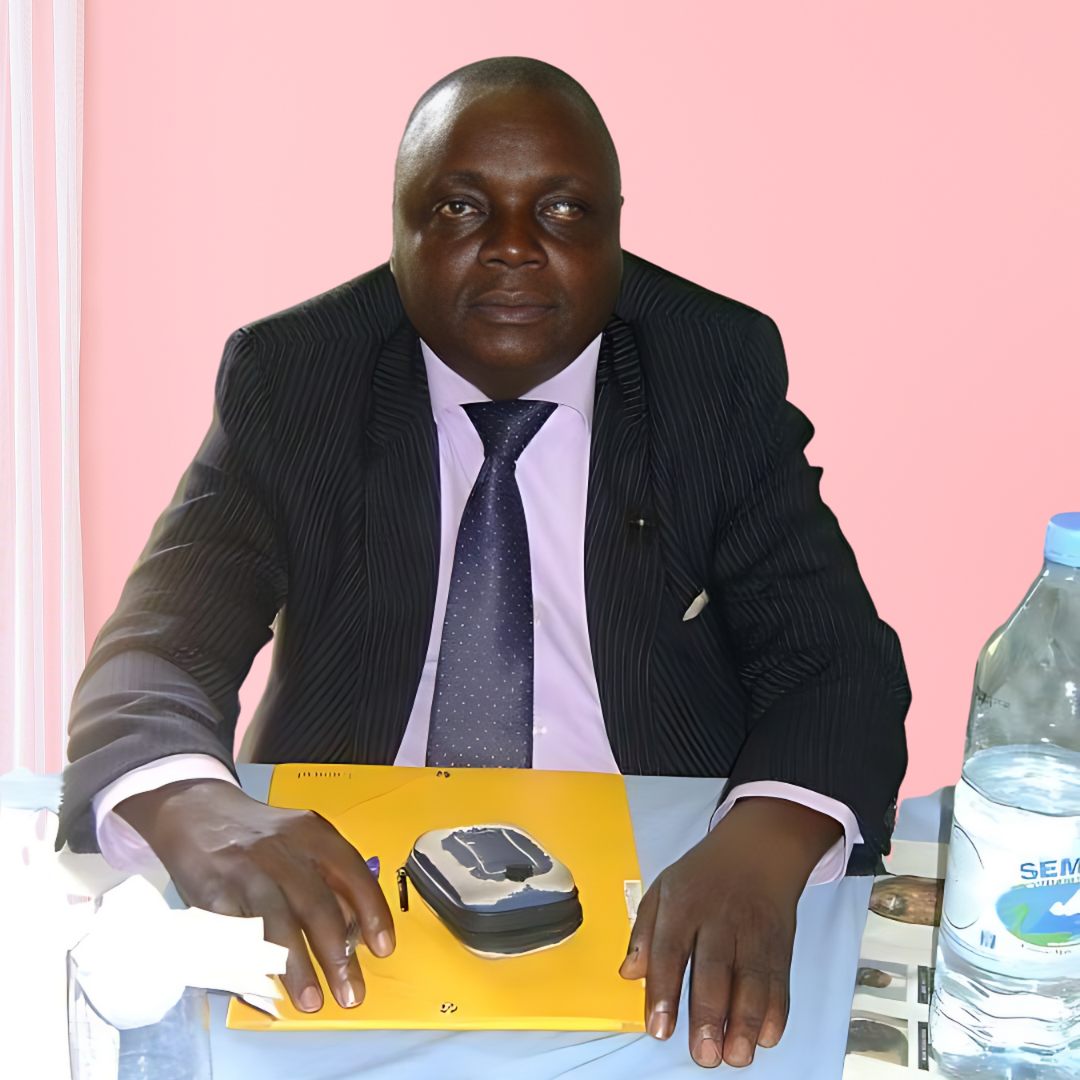
 Patrice Motsepe
The African continent continues to be a focal point for mining activities, and the latest development comes from the Republic of Congo, where South African billionaire Patrice Motsepe is set to make a significant investment in phosphate mining. The investment, amounting to 360 billion CFA francs, is poised to transform the local economy and create a substantial number of jobs.
Patrice Motsepe, the founder of African Rainbow Capital (ARC), has identified the Hinda locality in the Kouilou department as the site for this ambitious project. The commencement of the mining activities is scheduled for May 2025, with the potential to revolutionize the phosphate industry in the region. The project is not just about extracting phosphate; it also involves the construction of a processing plant that will convert the raw phosphate into valuable fertilizers, such as nitrogen and potash.
The significance of this investment cannot be overstated. The phosphate deposits, stretching over 20 kilometers with a width of 800 meters, are estimated to hold 432 million tonnes of reserves. This could translate into an annual production of 2 to 4 million tonnes over 26 years. Such a long-term operation not only ensures a steady supply of phosphate but also provides long-term economic stability for the region.
Employment is a critical aspect of this project, with the promise of creating nearly 1,000 jobs, including 500 direct jobs. As the project reaches its peak, it is expected to generate up to 4,000 jobs, offering a significant boost to the local employment market. This is particularly important for the Republic of Congo, where job creation is vital for economic growth and social stability.
The strategic location of the mining site, approximately 40 kilometers from the Congolese coast, facilitates the export of processed fertilizers, potentially serving markets beyond the African continent. This global reach underscores the project’s ambition and its potential impact on the global phosphate market.
Patrice Motsepe’s commitment to eco-friendly mining practices aligns with the growing global emphasis on sustainable and responsible mining. His pledge to focus on climate action and sustainable mining practices is a reassuring aspect of this massive investment.
The investment by Patrice Motsepe is a testament to the potential of the African mining sector and its role in the continent’s development. It reflects confidence in the region’s resources and its people, promising a brighter economic future for the Republic of Congo and its citizens. As the project unfolds, it will undoubtedly attract further attention and investment, potentially catalyzing a new era of growth and prosperity for the region. For more detailed information on this development, you can refer to the original articles
The Environmental Impacts of Phosphate Mining
Phosphate mining is an essential activity for modern agriculture, providing the phosphorus needed to produce fertilizers that support global food production. However, the environmental impacts of phosphate mining are significant and multifaceted, affecting air and water quality, soil health, and local ecosystems.
One of the primary concerns with phosphate mining is the disruption of the local hydrology. The process often involves the removal of large amounts of earth and the creation of waste piles, which can alter the natural flow of water and lead to erosion and sedimentation issues. These changes can have a profound impact on local waterways, potentially leading to reduced water quality and affecting aquatic life.
The use of water in phosphate mining and processing also raises concerns. The industry can consume significant amounts of water, which can strain local water resources, especially in arid regions where water is already scarce. Additionally, the discharge of wastewater from phosphate processing plants can introduce pollutants into local water systems, contributing to eutrophication and the proliferation of harmful algal blooms.
Air quality is another area affected by phosphate mining. The excavation and transport of phosphate rock can generate dust, which can carry a range of particulate matter and associated pollutants[2]. This dust can have adverse health effects on local communities and workers, as well as impact visibility and contribute to the deposition of contaminants over a wider area.
Phosphate mining also poses risks due to the presence of toxic metals and radioactive elements in phosphate rock. Elements such as lead, cadmium, mercury, chromium, arsenic, uranium, thorium, and radium can be present in the rock and may be released into the environment during mining and processing. These substances can contaminate soil and water, posing health risks to humans and wildlife. Radon gas, a decay product of radium, is of particular concern due to its radioactive nature and potential to cause lung cancer.
The ecological impacts of phosphate mining are also significant. Mining operations can lead to habitat destruction and loss of biodiversity. The clearing of land for mining can remove vegetation and disrupt wildlife, leading to a decline in species richness and abundance. The long-term consequences of such biodiversity loss can be profound, affecting ecosystem services and the resilience of natural systems.
In light of these environmental impacts, there is a growing emphasis on sustainable and responsible mining practices. Efforts to reduce water usage, minimize dust emissions, and manage waste responsibly are becoming increasingly important. Additionally, the reclamation of mined land and the restoration of ecosystems post-mining are critical components of reducing the environmental footprint of phosphate mining.
The challenges presented by phosphate mining are complex, but they are not insurmountable. With continued research, innovation, and commitment to environmental stewardship, it is possible to balance the need for phosphate with the protection of our planet’s natural resources and the health of its inhabitants. For a more in-depth exploration of the environmental impacts of phosphate mining, the articles referenced provide comprehensive insights.
Sustainable Phosphate Mining: Practices and Innovations
Phosphate mining is crucial for global food security, as it provides the phosphorus necessary for fertilizer production. However, the environmental impact of phosphate mining has raised concerns, leading to a push for more sustainable practices in the industry. Sustainable phosphate mining involves a series of practices and technological innovations that aim to minimize environmental damage while maintaining or increasing production efficiency.
One of the key approaches to sustainable phosphate mining is the implementation of ethical mining practices. This includes ensuring fair labor conditions, community engagement, and respecting the rights of indigenous peoples. Ethical mining also involves minimizing the ecological footprint of mining activities, preserving biodiversity, and preventing pollution of local water sources.
Precision farming techniques can significantly contribute to sustainability in phosphate mining. By using data analytics and satellite imagery, farmers can apply fertilizers more efficiently, reducing the amount of phosphate needed and thus the demand for mining. This targeted approach not only conserves resources but also prevents the over-application of fertilizers, which can lead to environmental issues such as eutrophication.
The management of value chains is another crucial aspect of sustainable phosphate mining. By optimizing the supply chain from extraction to distribution, companies can reduce waste, lower greenhouse gas emissions, and improve the overall sustainability of phosphate products. This includes the adoption of green technologies in fertilizer production, such as those that recycle waste products into useful fertilizers.
Innovations in mining technology also play a vital role in sustainability. Waterless and zero-waste mining techniques are being developed to reduce the consumption of water, a critical resource in many mining regions. These technologies aim to maximize the recovery of phosphate while minimizing the production of tailings and other waste materials.
Reclamation and restoration of mined lands are essential for sustainable phosphate mining. After mining operations are completed, efforts must be made to restore the land to its natural state or repurpose it for other beneficial uses. This can include the creation of wetlands, reforestation, or the development of renewable energy projects on the reclaimed land.
Transparency and regulatory compliance are also important for sustainable phosphate mining. Companies must adhere to environmental regulations and standards, and they should be transparent about their operations and their environmental impact. This helps build trust with stakeholders and ensures that mining activities are conducted responsibly.
Finally, research and development are crucial for advancing sustainable phosphate mining. Continuous investment in R&D can lead to the discovery of new methods and technologies that reduce the environmental impact of mining. Collaborative efforts between governments, industry, and academia can accelerate the development of these solutions.
In conclusion, sustainable phosphate mining is a multifaceted endeavor that requires the commitment of all stakeholders involved. From ethical practices to technological innovations, a range of strategies can be employed to ensure that phosphate mining contributes to global food security without compromising the health of our planet. For more information on sustainable practices in phosphate mining, readers can explore the resources provided.
The effective start of activities of the plant to transform nitrogen and potash deposits located in the Kuilou region of northern Congo is scheduled for May 2025. After giving assurances last year to the President of the Republic of Congo Denis Sassou Nguesso on the quality of the phosphate that will be produced by Congo, the South African businessman Patrice Motsepe, head of the mining company African Rainbow Capital (ARC), and also president of the Confederation of African Football, announced to the Congolese head of state, on April 24, 2024, in Brazzaville, that the launch of the activities of the phosphate production plant in the locality of Hinda, very rich in nitrogen and potash, in the department of Kouilou, not far from the oil and mining city of Pointe-Noire, will take place in May 2025.
To do this, it will invest 600 million dollars or 360 billion CFA francs for the exploitation of these deposits, which are 800 meters wide and spread over 20 kilometers. The global reserves of these deposits, which cover a total area of 263.68 km2, are estimated at 432 million tonnes for an annual production of between 2 and 4 million tonnes over 26 years. The development of the deposit, which is located 40 kilometers off the Congolese coast, will create nearly 1,000 jobs, including 500 direct jobs, which could reach a volume of 4,000 jobs when the project reaches its cruising phase.
In August 2022, the boss of African Rainbow Capital reactivated the project to exploit several fertilizers in Congo, including nitrogen and potassium, two elements that are used in the composition of phosphate. The project was previously to be operated by Congolaise des Mines du Congo, a subsidiary of Canada’s Cominco Resources Ltd.