Cameroon’s CPP Reports Increased Police Surveillance at Douala Headquarters

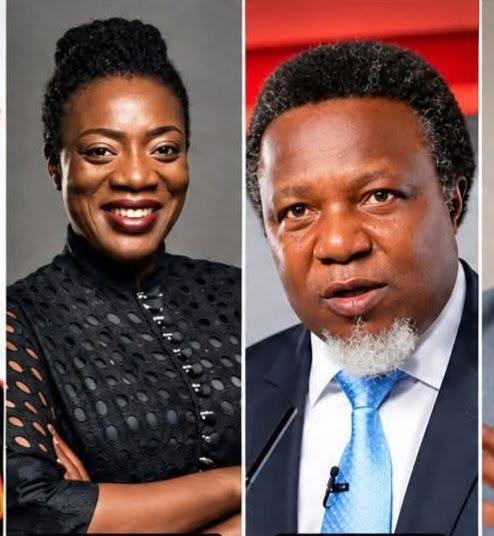
In a recent development from Cameroon’s political landscape, Edith Kah Walla, the President of the Cameroon People’s Party (CPP), has reported increased police surveillance at the party’s headquarters in Douala. This move has raised concerns among political observers and citizens alike, as it appears to be an unwarranted intensification of scrutiny on the opposition party.
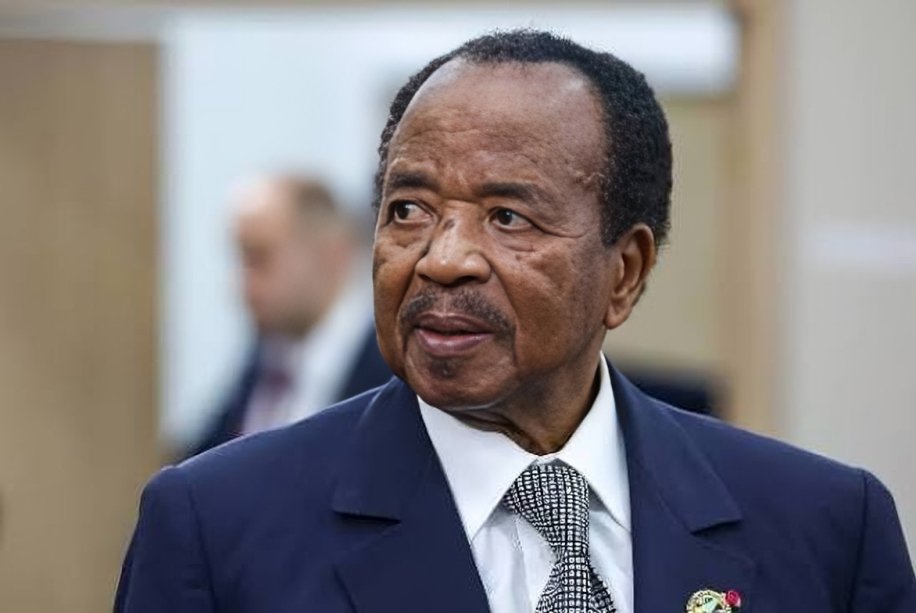
The CPP, under Kah Walla’s leadership, has been a vocal advocate for political change and reform in Cameroon, a nation that has seen President Paul Biya’s rule extend over four decades. The party’s stance on various issues has often put it at odds with the current government, leading to previous instances of tension and confrontation.
According to reports, police officers have been seen in and around the CPP headquarters, some even positioned on the rooftop. These actions have not been accompanied by any official explanation, leaving room for speculation regarding the government’s motives. Kah Walla has expressed her disapproval of this surveillance, labeling it as an escalation of “dictatorship at the highest level.”
This situation unfolds in the backdrop of an approaching presidential election, with many suspecting that the government’s actions may be aimed at suppressing and intimidating the opposition. The CPP has not announced any upcoming events or protests that would typically warrant such a level of police presence, making the current surveillance all the more puzzling and concerning.
Kah Walla’s political journey has been marked by her consistent push for a political transition in Cameroon. Her advocacy for the Standup for Cameroon movement, which calls out malpractice and injustice, has made her a prominent figure in the country’s quest for democratic progress.
The heightened police monitoring of the CPP headquarters is a development that warrants attention and discussion, especially in the context of Cameroon’s political climate and the fundamental rights of political parties to operate without undue interference. It is a reminder of the delicate balance between national security and the preservation of democratic freedoms.