The Humanitarian Dialogue: Doctors Without Borders and the Cameroon Government

In the wake of ongoing discussions between Doctors Without Borders (Médecins Sans Frontières, MSF) and the Cameroon Government, there is a glimmer of hope for the resumption of vital medical services in the North-West and South-West regions of Cameroon. These talks represent a critical juncture for humanitarian aid in the country, where the need for medical assistance is dire.
MSF, an international medical humanitarian organization, has been a beacon of hope for many in Cameroon, providing indispensable health services and emergency response. However, their operations were suspended due to allegations of supporting non-state armed groups, which MSF has categorically denied. The suspension has left tens of thousands without access to free lifesaving healthcare.
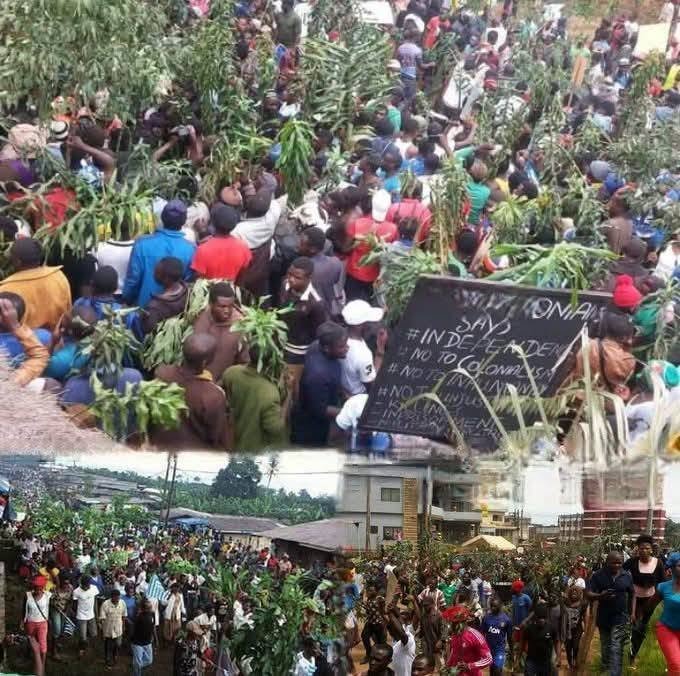
The ongoing violence in the Anglophone regions of Cameroon has led to a catastrophic humanitarian situation. Raids, kidnappings, and extrajudicial killings have become commonplace, exacerbating the health crisis. In response, MSF had set up the only free 24/7 ambulance service in the regions and supported community health volunteers to reach those in remote areas.
The dialogue with the government is crucial to addressing the massive healthcare crisis that has unfolded. With over 700,000 people displaced and more than 1.4 million in need of humanitarian support, the urgency of resuming MSF’s operations cannot be overstated.
The negotiations, as reported, are advanced, and the decision to allow MSF to return to the region lies with the government. The Head of Mission to Cameroon, Alexis Bahati, expressed optimism about the ongoing discussions, emphasizing the organization’s readiness to resume its activities once permitted.
As MSF marks 40 years of humanitarian impact in Cameroon, the organization remains committed to its mission of providing care based on need alone, irrespective of political affiliations or conflict sides. The hope is that the dialogue will lead to a positive outcome, allowing MSF to continue its vital work in Cameroon, alleviating suffering, and saving lives.
The international community watches closely as these discussions unfold, hoping for a swift resolution that prioritizes the health and well-being of the Cameroonian people. The resumption of MSF’s operations would provide immediate relief and signify a step towards stability and peace in the affected regions.