

Cameroon Launches Ambitious 305 Billion CFA Franc Initiative to Elevate Dairy Production
Cameroon’s Ambitious Plan to Revitalize the Dairy Sector
In a bold move to revitalize its dairy sector, Cameroon has adopted a comprehensive plan worth 305 billion CFA francs. This initiative represents a significant investment in the country’s agricultural infrastructure and has the potential to transform the dairy industry, enhancing productivity and sustainability.
The plan is a response to the growing demand for dairy products in Cameroon and aims to reduce the reliance on imports, which have been a significant drain on the country’s foreign exchange reserves. By boosting local production, the government hopes to ensure a steady supply of dairy products, stabilize prices, and improve the livelihoods of farmers.
Key Components of the Plan
The plan encompasses several strategic components designed to address the challenges faced by the dairy sector:
Infrastructure Development: Building and upgrading dairy processing facilities to meet international standards, ensuring the quality and safety of dairy products.
Breeding Programs: Introducing high-yield dairy cattle breeds and implementing breeding programs to increase milk production.
Training and Support: Providing training to farmers on modern dairy farming techniques and offering financial support to small and medium-sized dairy enterprises.
Research and Innovation Investing in research to develop new dairy products and improve existing ones, fosters innovation in the sector.
Market Expansion: Developing marketing strategies to promote local dairy products both domestically and internationally.
Impact on the Economy and Society
The implementation of this plan is expected to have a far-reaching impact on Cameroon’s economy and society:
Economic Growth: The dairy sector’s expansion will contribute to economic growth, create jobs, and attract investment.
Food Security: Increased dairy production will enhance food security and provide nutritional benefits to the population.
Rural Development: The plan will stimulate rural development, reducing poverty and encouraging young people to engage in agriculture.
Environmental Sustainability Emphasis on sustainable farming practices will help protect the environment and ensure the long-term viability of the dairy sector.
Challenges and Opportunities
While the plan is ambitious, it also faces challenges such as the need for skilled labor, access to finance, and the development of a reliable cold chain infrastructure. However, these challenges also present opportunities for innovation and collaboration with international partners.
The government’s commitment to this plan is a clear indication of its dedication to transforming the agricultural landscape of Cameroon. With careful implementation and ongoing support, the dairy sector plan has the potential to become a model for agricultural development in the region.
As Cameroon embarks on this journey, the success of this plan will depend on the collective efforts of policymakers, farmers, investors, and consumers. It is a step towards self-sufficiency and a testament to the country’s resolve to build a resilient and prosperous future.
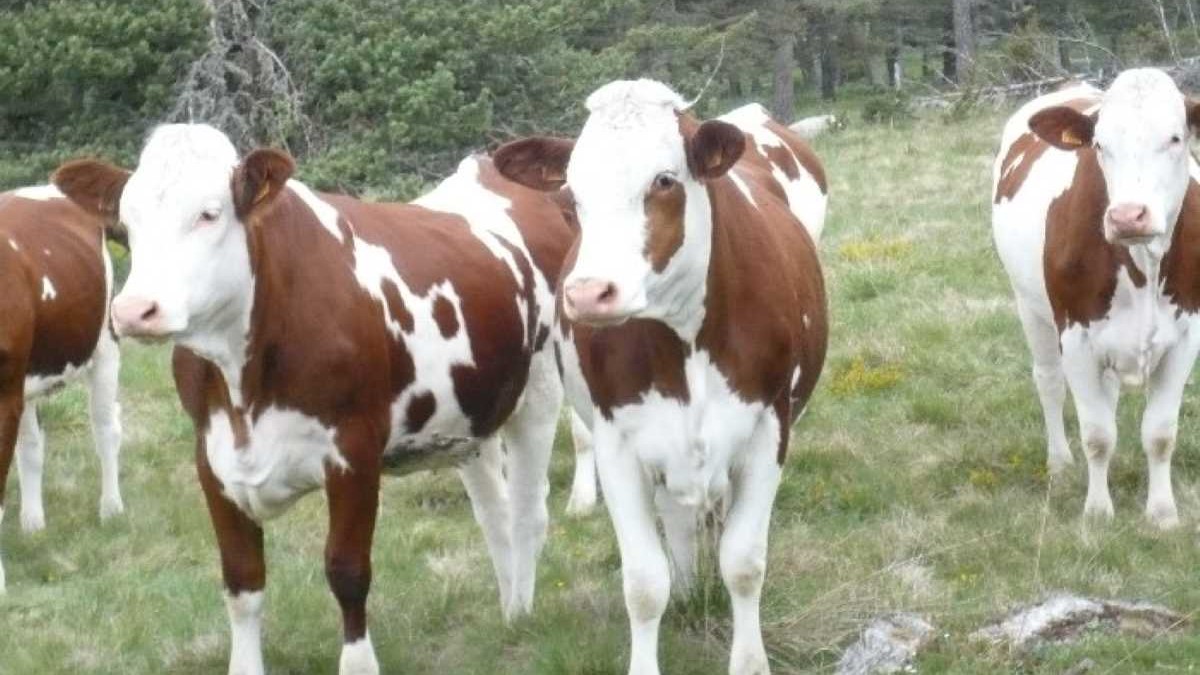
On June 18 in Yaoundé, the Cameroonian government validated a development plan for the dairy sector worth 305.7 billion CFA francs (around 465 million euros) over the period 2024-2035. The strategic document drawn up by an independent firm was entrusted to the Minister of Livestock, Fisheries and Animal Industries (Minepia), Dr Taïga. According to the authorities, this ambitious plan aims to boost national milk production and reduce the country’s dependence on dairy product imports. “The national plan for the development of the dairy sector aims to increase milk production significantly not only to be able to supply milk to the populations but also to prevent us from having to spend significant foreign currencies for imports,” insisted consultant Dr Albert Douffissa, coordinator of studies for this plan.
Indeed, according to the government, despite the Cameroonian dairy sector experiencing promising growth in recent years, with annual production estimated at 343.9 thousand tonnes in 2022, the national supply remains in deficit of 120,000 tonnes of milk. per year compared to demand, currently estimated at nearly 500,000 tonnes. According to an annual EPIA production note, 2018 and 2019; SDSR-PNIA 2020-2030 from Minepia, the demand for dairy products in Cameroon “is constantly evolving in Cameroon and would amount to 630,000 tonnes in 2025. It is driven by a population growth rate estimated at 2.6% and an average milk consumption of 23.5 kg/inhabitant/year. This trend has, for example, forced the country to import 495 high-performance cows from France in 2023 as part of the livestock development project (Prodel), financed by the World Bank to the tune of 134.15 million dollars or approximately 78.4 billion CFA francs over 6 years.
According to the recent report from the National Institute of Statistics (INS) on Cameroon’s foreign trade, 20,596.1 tonnes of milk and derivatives were imported for a budget of 40.6 billion CFA francs and 17,217.9 tonnes of powdered or concentrated milk for 35 billion CFA francs by manufacturers, during the year 2023 to fill the deficit in national production. Although the quantities did not experience a considerable increase during this year, we still recorded an increase of 2.1 billion CFA francs on the envelope of imports of raw milk and derivatives year-on-year (+0.8 %). Likewise, Cameroon’s customs statistics indicate that 89.6 thousand tonnes of milk and dairy products were imported between 2018 and 2022 for a value of 152.6 billion CFA francs. “We are observing a trend towards inflation in the price of milk on the international market from 2020,” they specify.
A complete action plan for an efficient dairy sector
In detail, the development plan for the Cameroonian dairy sector is structured around six major axes, namely: the genetic program; food, housing and health; milk valorization; research and development and finally the governance program. Spread over a period of 11 years (2024-2035), the latter aims to increase national production of dairy products to 1,146,600 tonnes in 2035. Through this plan, the government plans to considerably reduce imports of dairy products. in the country. Food sovereignty is also being considered; currency economics; the increase in milk consumption; the conquest of sub-regional markets, the improvement of population health; or even improving the income of players in the sector.
Remember that this plan comes in a context where the government is beginning the implementation of the Integrated Import-Substitution Plan (PIISAH) carried out over the triennium 2024-2026 and produced by the Ministry of the Economy, Planning and Territorial Planning (Minepat). To increase milk production as part of this plan, it is planned, among other things, the acquisition of 2,000 pregnant heifers with high milk performance to support the strengthening and establishment of commercial dairy farms, vaccination campaigns and rapid detection of pathologies affecting dairy cows, etc.