The Zina-Makary oil project in Far North Cameroon has been at a standstill for 15 years
a situation that reflects the complex interplay of geopolitics, economics, and security concerns in the region. The project, which was initiated with the signing of a production-sharing contract between the Cameroonian government and the Chinese company Yan Chang Logone Development Company on April 2, 2009, promised to explore the potential oil reserves in the Zina-Makary block, located near the border with Chad in the Logone Birni locality.
However, the project has faced numerous challenges, primarily due to the ongoing security crisis in the region, which has been exacerbated by the activities of Boko Haram since 2014. This has led to the Chinese operator abandoning the site, leaving the project in limbo. The Cameroonian government’s efforts to revive the project have been met with limited success, as the security situation remains volatile and the initial operator’s contact information has become obsolete.
The situation is further complicated by the fact that, despite the presence of special security forces in the area, no significant progress has been made. The state-owned National Hydrocarbons Corporation (SNH) had indicated in July 2011 that there were signs of hydrocarbon presence in the region, which could potentially benefit the country’s economy. However, the lack of a clear path forward and the absence of a new operator to take over the exploration activities have left the future of the Zina-Makary oil project uncertain.
The Cameroonian government faces the challenge of finding a new partner willing to navigate the security risks and invest in the exploration of the oil block. The potential of the Zina-Makary block remains untapped, and the impasse continues to be a source of concern for both the local population, who could benefit from the economic opportunities, and the government, which seeks to enhance its energy sector.
As of now, there is no definitive timeline for when the project might resume. The interim Minister of Mines, Industry, and Technological Development, Fuh Calistus Gentry, has stated that work will recommence “in due time,” hinting at ongoing discussions with potential new operators. The resolution of the Zina-Makary oil project impasse will require a concerted effort from all stakeholders, including the government, potential investors, and the local community, to ensure that the exploration activities can proceed in a manner that is both economically viable and secure.
The reason given by the public authorities remains the ongoing security crisis in this northern region of the country since 2014, having forced the selected Chinese operator to abandon the site.

On April 2, 2009, the State of Cameroon and the Chinese company Yan Chang Logone Development Company signed a production sharing contract (the operator had to assume the costs and risks of the project in exchange for a share of future production, Editor’s note) for the search for oil in the Zina-Makary block. It is a locality in Logone Birni near the border with Chad in the Far North region. Fifteen years later, the project is a dead end. Research has been at half-mast for several years. According to sources contacted on-site, the company had barely started development work on the site of the Zina-Makary oil field when it deserted the site.
Security crisis
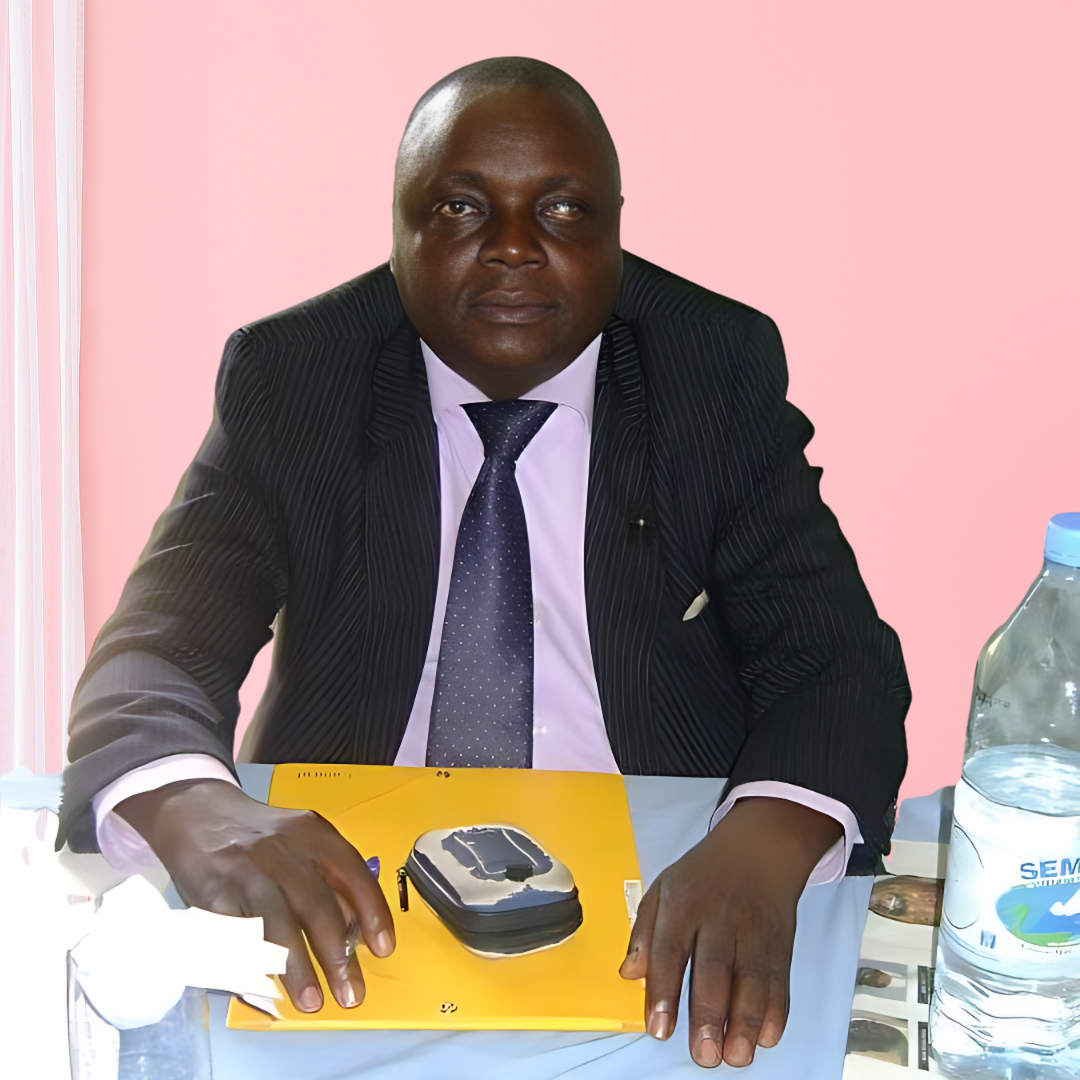
The question addressed to the late Minister of Mines, Industry and Technological Development (Minmidt) Gabriel Dodo Ndoke during a plenary in the Senate on December 1, 2022, returned to Fuh Calistus Gentry who has so far assumed the interim. “No activity has been carried out to date and the operator has disappeared since the telephone contract, fax and postal box provided to the Mines administration are obsolete,” replied the government member to Senator Alioum Alhadji Ahmadou on 21 June 2024.
Like his predecessor, the current Minmidt justified the desertion of the Chinese company by the Boko Haram security crisis that has been raging there since 2014, 5 years after the agreement initiated between Cameroon and the Chinese mentioned above. Since then, the oil project has been at a standstill “despite the government’s multiple reminders to the company and meetings with special security forces deployed in the area,” laments the government daily Cameroon Tribune.
As things currently stand, the state of Cameroon will certainly have no other choice than to resort to another service provider who must conduct this exploratory drilling in the northern part of the country and who “encountered a series of sandy reservoirs impregnated with liquid hydrocarbons to a height of approximately 18 meters,” indicated in July 2011, a press release from the National Hydrocarbons Company (SNH) cited by our colleagues at Jeune Afrique.
To date, there is still no projection on the resumption of this mining project. Fuh Calistus Gentry nevertheless noted that work will resume “in due course”. According to some indiscretions, a new company whose identity has not been revealed to us has already visited the Zina-Makary block at the end of 2023. This could herald a glimmer of hope for the effective resumption of this oil project in the days to come.
Increase oil production
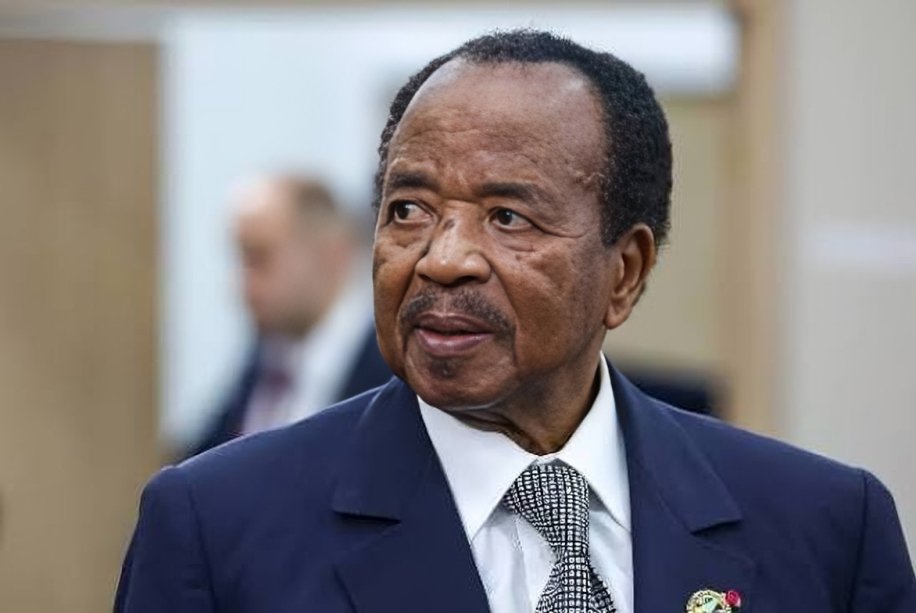
It should be noted that the realization of such a project would nevertheless make it possible to boost the production capacity of crude oil and therefore increase export revenues from this product. All the more so since, passing through Maroua (regional capital of the Far North) on September 28, 2018, on the eve of the presidential election, the President of the Republic Paul Biya reassured the population of the natural potential of the region. “Everything suggests that your subsoil is rich in minerals and oil. It will be appropriate to give new impetus to prospecting and, subsequently, exploitation,” he declared.
According to figures published by the National Hydrocarbons Company (SNH), 23.88 million barrels were produced in 2023, including 13.527 million barrels exported on behalf of the State at an average price of $79.464 per barrel. For the Cameroonian statistician, 3,084 tonnes of crude oil were sold abroad in 2023 (-13.6%) for a value of 1,127.1 billion CFA francs, down by -387.8 (-26.% ) compared to 2022.