Financial Misconduct Accusations Result in High-Level Dismissal in Cameroon’s Senate 2024
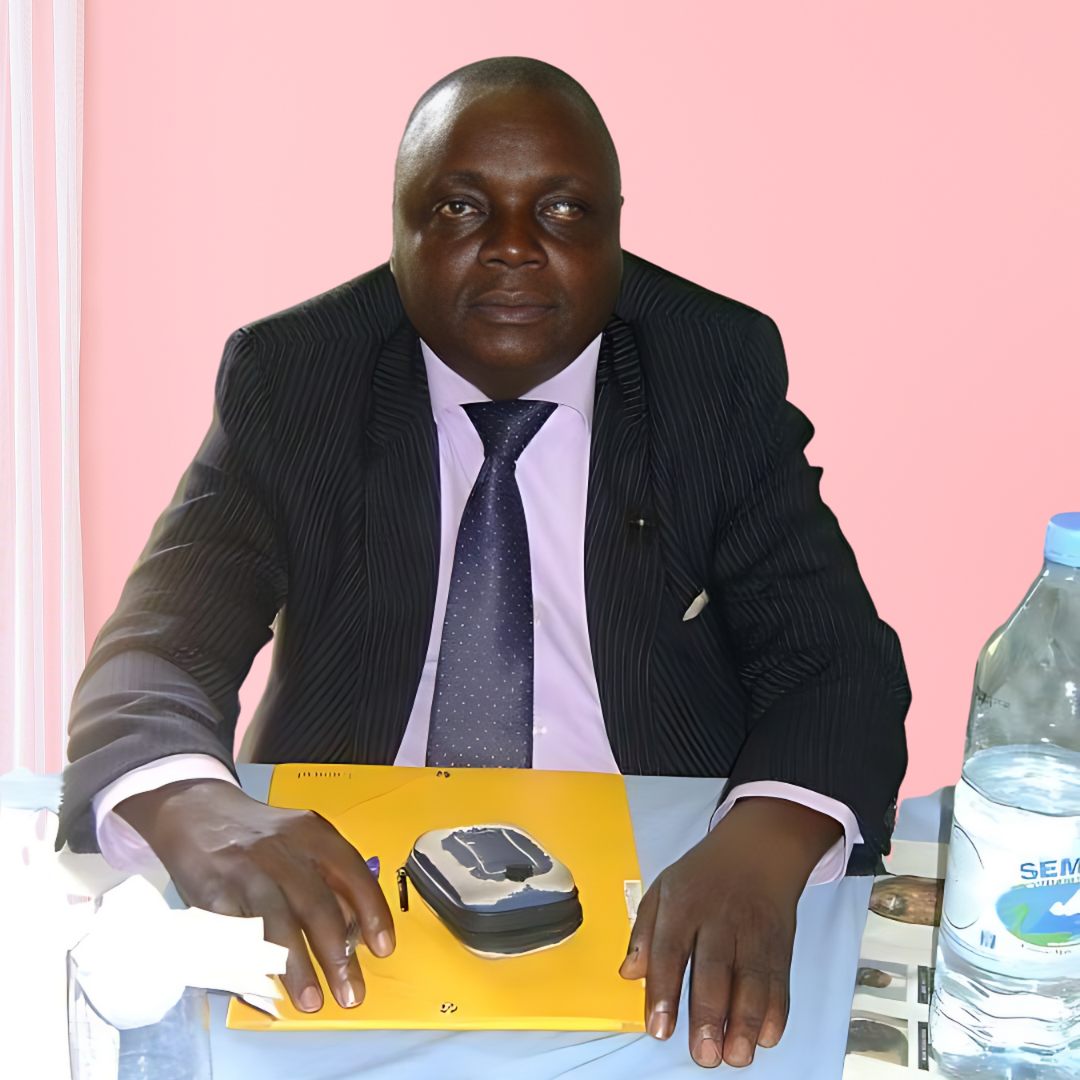
The recent news from Cameroon regarding the embezzlement scandal involving a significant sum of 3 billion CFA francs has led to dismissing the Secretary-General of the Senate from the post of PCA of the University of Bertoua. This incident is a stark reminder of the challenges many countries face in the fight against corruption and financial mismanagement.
Corruption, a pervasive issue in Cameroon’s government and civil society sectors, has been a persistent problem that hampers economic growth and development. The Transparency International Corruption Perceptions Index of 2023 gave Cameroon a score of 27 out of 100, indicating a high level of perceived corruption within the country. Such incidents not only undermine the trust in public institutions but also deter international investments and aid.
The dismissal of the Secretary-General of the Senate is a significant development in Cameroon’s ongoing efforts to address corruption. It reflects the government’s commitment to holding public officials accountable and enforcing the law. This action could serve as a deterrent to others and a step towards restoring public confidence in the government’s ability to manage public funds responsibly.
The University of Bertoua, like other educational institutions, plays a crucial role in shaping the future of the nation by educating its youth. The governance of such institutions is paramount to ensuring that they serve their purpose effectively. The removal of a high-ranking official from a key position within the university signals a move towards greater transparency and accountability.
Cameroon has witnessed similar high-profile cases in the past, including the prosecution of a former prime minister for embezzlement, which resulted in a 20-year prison sentence. These cases highlight the need for robust systems of accountability and transparency to prevent the misuse of public funds.
The fight against corruption is a complex and ongoing battle that requires the collective effort of the government, civil society, and the international community. Cameroon needs to continue to strengthen its legal and institutional frameworks to effectively combat corruption and promote good governance.
As the situation develops, it will be important to follow the legal proceedings and the government’s response to ensure that justice is served and that measures are taken to prevent future occurrences of such scandals. The people of Cameroon deserve a government that operates with integrity and is committed to the sustainable development of the nation.
The timing of his replacement raises questions on more than one count, as he will have only served two years in this role. Indeed, he was made Chairman of the Board of Directors in June 2022, following the appointment of the very first social bodies of this young university institution, created 6 months earlier. His replacement after only 2 financial years raises questions even more since more than 55 Chairman of the Board of Directors out of a sample of 88 public entities drawn up by academic Viviane Ondoua Biwole have had mandates that have expired for several years for the most part.
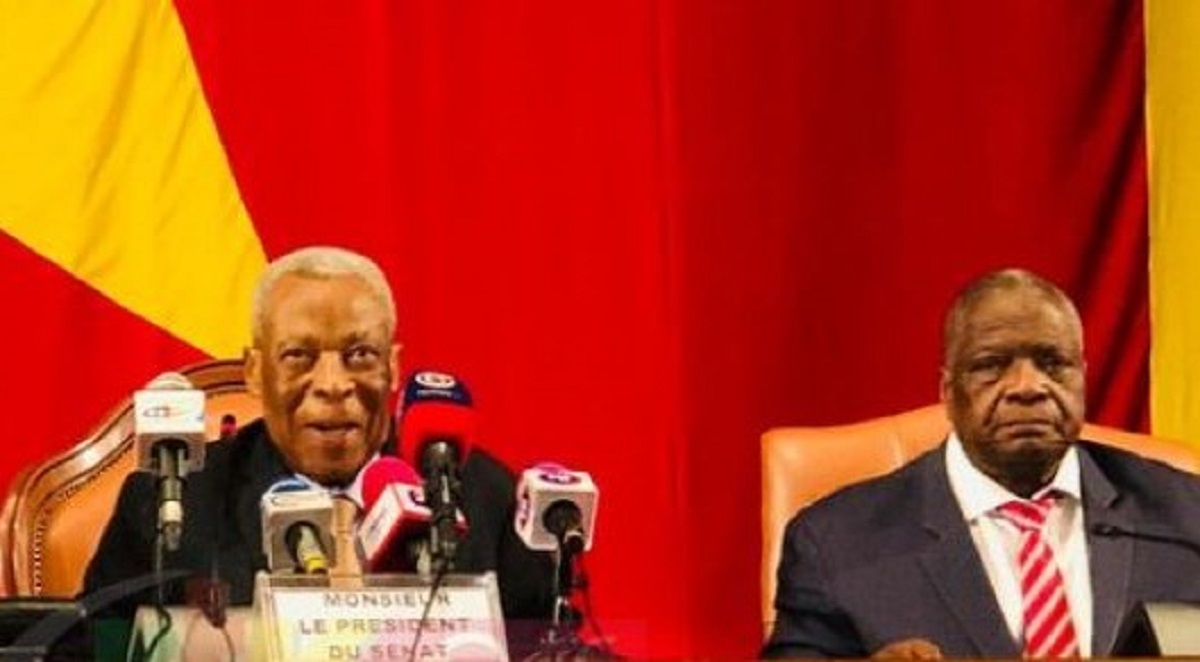
This dismissal could be a trigger for the descent into hell of the former regional governor, cited less than 2 months ago in a scandal of massive embezzlement of around 3 billion CFA francs in the Senate. Indeed, a management audit commissioned by the office of this institution found a hole of 1 to 3 billion CFA francs in the institution’s coffers for the period from the end of October 2023 to February 2024. As we pointed out on May 29, the money evaporated in the absence of the president of the chamber’s office, Marcel Niat Njifenji, who was on medical evacuation abroad during the three months to which the commission of inquiry chaired by Vice-President Robert Nkili and in which all the quaestors were found, limited its investigations. This commission, which sat for 10 days, heard, in addition to the administration, all the heads of the Senate’s financial services.
Based on the report of this body, administrative formalities oblige, a request for explanations was served to the deputy secretary general, the former regional governor Bernard Wongolo. The latter who was suspended for 10 days discreetly returned to work at the beginning of June, after having, according to our information, presented written apologies to President Marcel Niat Njifenji. In addition to this senior official who has benefited from a delegation of signatures since the extended leave of the incumbent of the post, the secretary general Michel Meva’a m’Eboutou, who, due to his health problems has been declared unfit to work for a year, the offices of the accounting agency and the budget and payroll department, sealed during the audit, have reopened.
At the opening of the last session in the Senate, at the beginning of June, Marcel Niat Njifenji assured that everything was being done for a return to financial orthodoxy in this chamber of Parliament. But, for the moment, nothing has filtered through on the follow-up given to this affair.