Agricultural Advancement: 130 Billion CFA Francs Pledged for Rice Sector Enhancement in Cameroon 2024
Cameroon is taking a significant step towards agricultural development with the allocation of 130 billion CFA francs for the expansion of hydro-agricultural land. This investment aims to develop 10,000 hectares, marking a pivotal moment for the nation’s rice sector.
The Context of Rice in Cameroon’s Economy
Rice holds a crucial place in Cameroon’s agricultural landscape. It is not only a staple food for the population but also a key player in the country’s pursuit of economic growth and food security. The government’s strategy reflects a commitment to reducing reliance on imported rice, which has long been a drain on the nation’s economy.
Challenges and Opportunities
The development of the rice sector in Cameroon faces several challenges, including land tenure issues, transborder trade complexities, and the need for increased human and institutional capacity. However, the potential benefits are substantial. By boosting local rice production, Cameroon can make strides in poverty reduction, economic growth, and food security.
Strategic Investment for Sustainable Growth
The investment plan is not just about increasing rice production; it’s about creating a sustainable and self-sufficient rice value chain. This includes improving rural incomes, reducing poverty, creating jobs, and promoting gender equity. The government’s approach involves prioritizing areas based on their production potential and ecological opportunities.
The Role of Hydro-Agricultural Development
Hydro-agriculture, which utilizes controlled water environments for crop cultivation, is particularly suited to rice production. The development of hydro-agricultural land is expected to enhance yields and ensure consistent production, which is vital for meeting the domestic demand and reducing import dependency.
Long-term Vision and Impact
Cameroon’s long-term vision is to produce 750,000 tons of rice by 2030, aiming for a self-sufficiency rate of 97%. This ambitious goal will not only help to stabilize the national economy but also contribute to the well-being of its citizens by ensuring food and nutrition security.
Conclusion
The allocation of 130 billion CFA francs for the development of hydro-agricultural land is a testament to Cameroon’s dedication to transforming its rice sector. This strategic investment is poised to yield significant economic, social, and environmental benefits, positioning Cameroon as a leading rice producer in Central Africa and setting an example for agricultural development in the region. The nation’s commitment to this cause is a beacon of hope for a future where food security and economic stability go hand in hand.
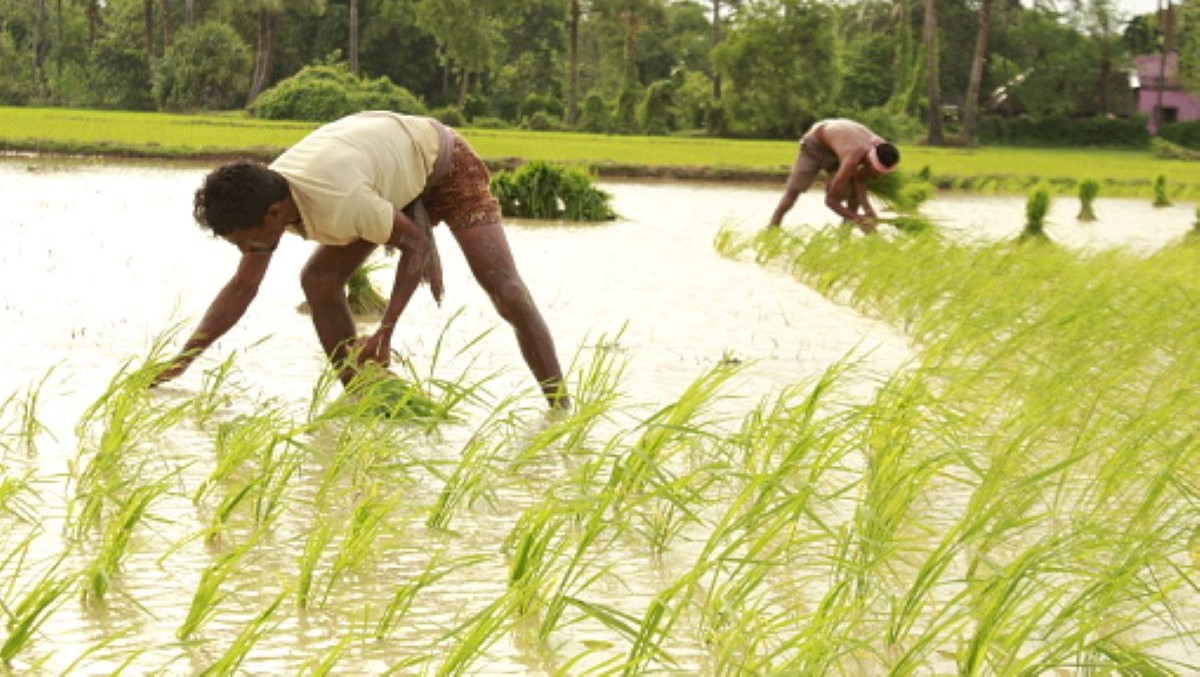
Cameroon plans to invest 130 billion for the development of 10,000 hectares of hydro-agricultural land in 2025. In any case, this is one of the projects cited among the projects to begin in 2025 according to the 2025-2027 budget programming document recently published by the Ministry of Finance. The project financed by the World Bank targets arable areas in the locality of Logone Birni with rice as a priority sector and should be completed in 2028. According to the said document, this project is included in the Integrated Agropastoral and Fisheries Import-Substitution Plan 2024-2026 (PIISAH) and is part of the “government’s efforts in the rural sector for the implementation of measures aimed at significantly increasing the production of major agricultural products.”
Contacted by EcoMatin, the Ministry of Agriculture and Rural Development (Minader), the project owner, indicated that the 10,000 ha of irrigated areas to be developed in Logone Birni, in the Far North region, will be split into two lots, one of which will be divided into 5,000 ha and the other of 2,000 ha. The remaining areas will be made available to small and medium-sized producers in plots of 0.5 to 30 hectares. Ultimately, this project should make it possible to reduce the deficit of land developed for irrigated agriculture and improve the organization of producers and the structuring of agricultural sectors. According to Minader, the investments made are “subsidies to support agriculture and climate variability” at a time when ecological fragility and insecurity linked to violence have forced the agricultural sector in this region of the country to low-productivity, low-production subsistence farming.
For this project, the type of production highlighted will be irrigated rice with the aim of “significantly increasing the production of paddy rice and milled rice, which could improve the local supply of quality rice”, indicates the project manager at Minader. According to information from the ministry, the implementation of this project is part of the Valorisation des investissements dans la Vallée du Logone (Viva Logone) project in the support plan for the management of production of the Société d’expansion et moderne de la riziculture de Yagoua (Semry). Financed by the World Bank to the tune of 200 million dollars, Viva Logone aims to valorise investments made as part of the emergency plan to combat flooding, continue the rehabilitation of rice paddy areas and completely restructure the rice sector by introducing sustainable irrigation in the Logone Valley to move from traditional agriculture to second-generation agriculture.
The Cameroonian government’s objective is to increase rice production from 140,710 tonnes in 2024 to 460,000 tonnes in 2027 to reduce massive imports of this cereal which cost the country 200.8 billion CFA francs in 2023 according to data from the National Institute of Statistics (INS). However, even if this volume is reached on time, rice production will not have met the national demand estimated to date at 648,085 tonnes.