Pardon: Maurice Kamto surprises all of Cameroon
The Political Resurgence of Maurice Kamto in Cameroon
In a remarkable turn of events that has captured the attention of Cameroon and the international community, Maurice Kamto, the opposition leader of the Cameroon Renaissance Movement (MRC), has made a significant political comeback. This development comes after a period of political tension and uncertainty in the nation.
Maurice Kamto, a figure who has been at the centre of Cameroon’s political discourse, was re-elected as the national president of the MRC with an overwhelming majority, securing over 99% of the votes. His re-election stood unopposed, signalling a strong consensus within the party for his leadership. The MRC convened at the Yaoundé Sports Complex for a two-day convention, where Kamto delivered a speech in both French and English, announcing the creation of a coalition named the Political Alliance for Change (APC). The APC aims to foster a peaceful Cameroon, bridging divides and working with citizens from all backgrounds, including those who support the current regime.
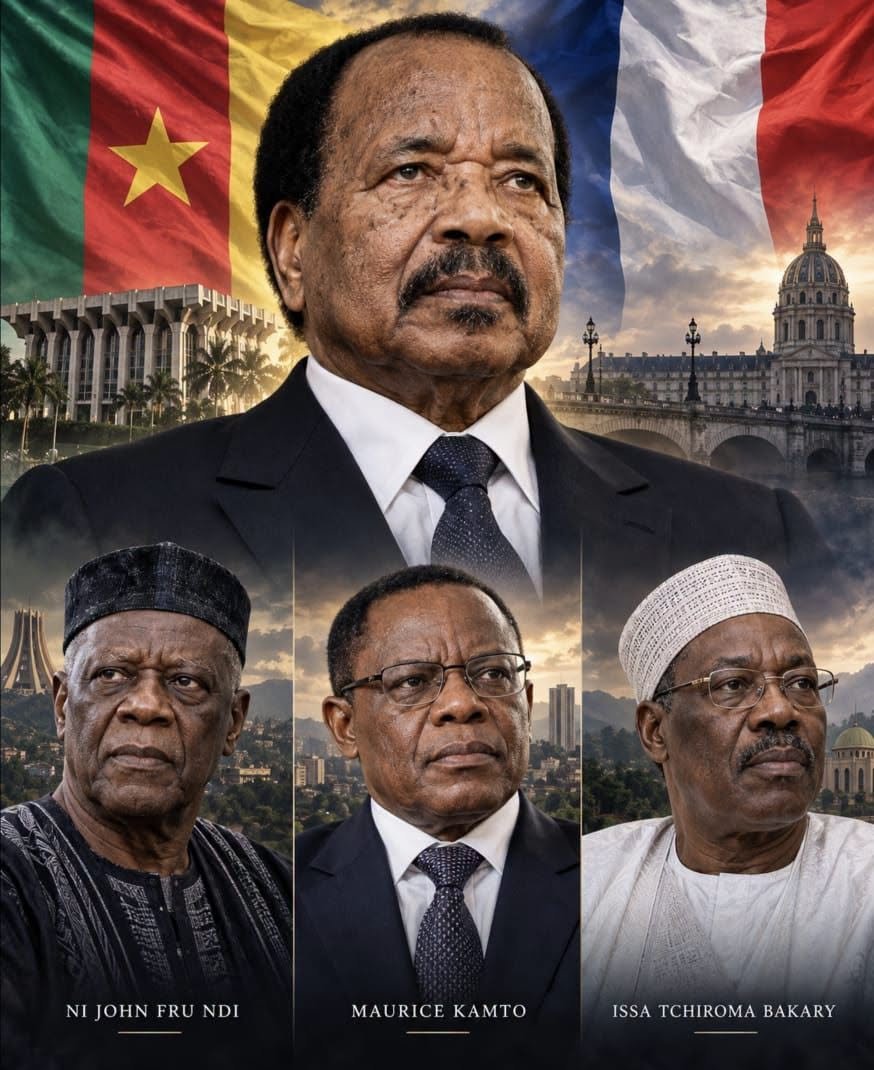
Kamto’s political journey has been marked by challenges, including his arrest following the presidential elections, where he claimed victory against the incumbent President Paul Biya. After spending nine months in prison, his release was ordered by a military court, a move that was seen as a conciliatory gesture from President Biya amid various domestic crises and international criticism over political freedoms. Upon his release, Kamto addressed his supporters, emphasizing that their struggle was not over and would continue peacefully.
The significance of Kamto’s release and subsequent political activities cannot be overstated. It represents a potential shift in Cameroon’s political landscape, where long-standing tensions between the government and opposition parties have often led to unrest. Amnesty International has recognized this development as a positive step towards ending the repression of dissenting voices in Cameroon, while also urging the authorities to release all individuals arbitrarily detained for exercising their rights to freedom of expression and peaceful assembly.
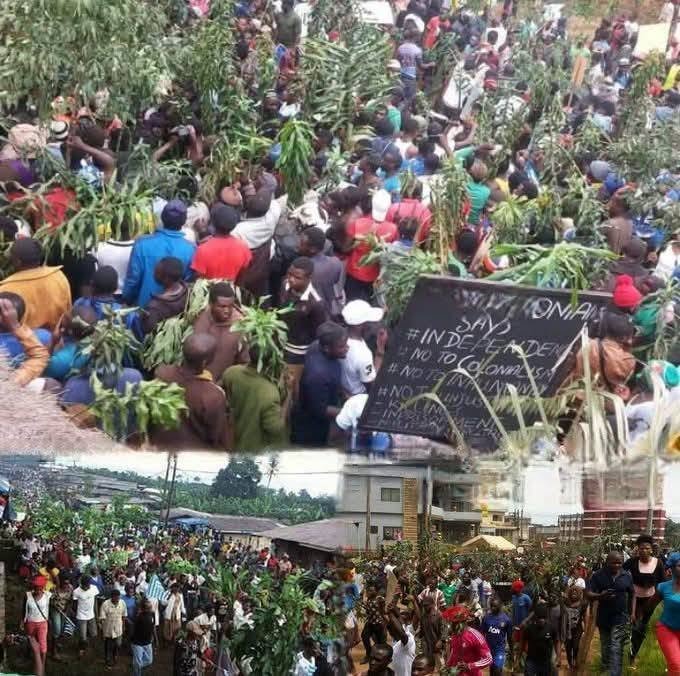
Kamto’s return to the political forefront and his re-election as the leader of the MRC come at a crucial time for Cameroon. The country faces multiple crises and conflicts, especially in the Anglophone regions. The establishment of the APC and Kamto’s call for peaceful change are seen as hopeful signs for a nation yearning for stability and progress.
As Cameroon navigates through these complex political dynamics, the role of leaders like Maurice Kamto will be pivotal in shaping the future of the country. His ability to galvanize support and advocate for peaceful transformation could pave the way for a new chapter in Cameroon’s history, one that moves towards reconciliation, democracy, and inclusive governance.
The eyes of the world remain on Cameroon, watching closely as the story of Maurice Kamto and the MRC continues to unfold. The hope is that this will lead to a more open and democratic political process, where the voices of all Cameroonians can be heard and respected. The journey ahead is fraught with challenges, but the recent developments offer a glimmer of hope for a nation on the brink of change. Maurice Kamto’s surprise has indeed resonated across Cameroon, signalling a potential new era in its political narrative.

The national president of the Cameroon Renaissance Movement (MRC), Maurice Kamto, published his 24th “Thought” on Monday, July 22, 2024, a series of reflections he regularly shares on social media. This latest publication addresses the crucial theme of forgiveness in the Cameroonian political context.
In this thought numbered 024-2024, Kamto highlights the dangers of certain behaviours related to state power. He writes: “Vanity inflated by (state) power, contempt fueled by opportunism, hatred driven by jealousy plunge those affected into a forward flight of ever-greater cruelty towards their victims.”
In the face of these excesses, the opposition leader proposes an approach focused on the future and reconciliation. He urges his compatriots to “prepare our hearts to know how to forgive tomorrow, to spare our country from cycles of revenge.”
This statement comes in a tense political context in Cameroon, where relations between the government and the opposition are often marked by mistrust and confrontations. By calling for forgiveness, Kamto seems to want to pave the way for constructive dialogue and possible national reconciliation.
The “Thoughts of MK” initiative began several months ago, with a weekly publication on the political leader’s social media. These reflections address various current and societal issues, offering insight into Kamto’s political vision and that of his party.
This 24th thought on forgiveness could be interpreted as a call to move beyond the current political divides to build a more harmonious future for Cameroon. It also raises questions about the possibility of a peaceful political transition in the country.
It remains to be seen how this call for forgiveness will be received by the different Cameroonian political actors and whether it can help ease tensions in the country.