The Southern Cameroon Crisis and Its Impact on Education
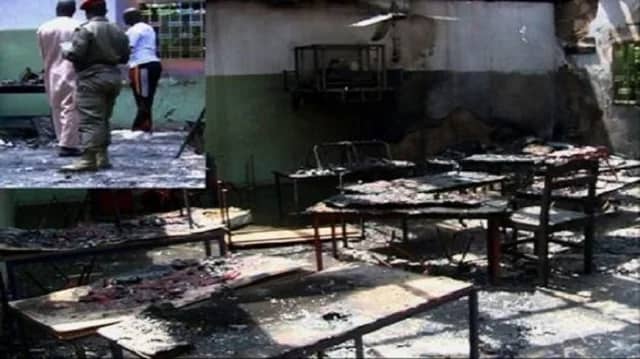
The ongoing crisis in the Southern Cameroons has profoundly impacted the region’s education system. In the first half of 2024 alone, 48 attacks on schools have been reported by the United Nations Office for the Coordination of Humanitarian Affairs (OCHA). These attacks disrupt the educational process and signify a deeper issue affecting the right to education for children in the region.
The crisis, which began in 2017, has seen separatist groups clashing with government forces, leading to widespread instability and violence. The targeting of educational institutions is particularly alarming as it directly affects children’s safety and their prospects. The attacks on schools range from physical destruction of infrastructure to threats against students and teachers, creating an environment of fear and uncertainty.
The impact of these attacks is far-reaching. Over 700,000 children have been unable to attend school due to the ongoing violence, which has a cascading effect on their development and the overall progress of society. Education is a fundamental human right, and when it is compromised, the consequences are dire. Children are deprived of knowledge, skills, and opportunities that are essential for their personal growth and the advancement of their communities.
Moreover, the crisis has also affected healthcare facilities, with 18 attacks reported in the same period. This further exacerbates the humanitarian situation, as access to essential services is hindered, affecting the well-being of the population.
The international community has expressed concern over the situation, with several reports highlighting the need for a peaceful resolution to the conflict. All parties involved must recognize the importance of safeguarding education and healthcare as pillars of a stable and prosperous society.

As the world observes these developments, it is crucial to continue raising awareness about the Southern Cameroon Crisis and its detrimental effects on education and healthcare. Efforts must be intensified to protect these institutions, support the affected communities, and find a lasting solution to the conflict that respects human rights and promotes peace.
The situation in Southern Cameroons is a stark reminder of the fragility of educational and healthcare systems in conflict zones. It underscores the need for collective action to ensure that every child has the opportunity to learn and grow in a safe environment. The future of the region depends on the ability to overcome these challenges and pave the way for a brighter, more secure tomorrow.