The death toll continues to rise in the eighth-year-old Southern Cameroons – Ambazonia War of independence.

The death toll continues to rise in the eighth-year-old Southern Cameroons – Ambazonia War of Independence.

Last week, the brutal killing of three occupier LRC police officers on duty in the federal capital Buea, by valiant Ambazonia state armed forces, dominated media headlines across the Cameroons and around the world. The sophisticated weapons of the colonial officers were taken away to continue with further sporadic assaults until the homeland was free.

The death toll, as reported by Human Rights Watch, is a conservative 6,000, among them civilians, occupier defence and insecurity personnel. But close to 60.000 deaths have occurred with hundreds of homes, and villages burnt down, millions sent on involuntary exile as refugees, and thousands languishing in dungeons.

Over half a million compatriots are internally displaced while hundreds of thousands of others are in refugee camps, mostly in neighbouring Nigeria and other countries around the world.

Yet, it has not gnawed on the conscience of the world. The killings, maiming, languishing in refugee camps, collateral burning of entire villages, kidnapping for ransom by Cho Ayaba’s ADF militias, destruction of health and educational infrastructure, and terrorising innocent villagers, by the occupier lrc forces persist.

But that pervasive mayhem in the Southern Cameroons – Ambazonia has been forgotten. The proof is in global headlines like: “Cameroon’s Forgotten Anglophone Conflict”, by International Crisis Group; “Cameroon, Africa’s Forgotten War: How the World Moved On”, by The East African, daily; “Cameroon: A Major and Forgotten Crisis”, by the Catholic news. La Croix International and “Time to Resolve Cameroon’s Persistent yet Forgotten Crisis” by the Institute of Security Studies, are just a few examples.

The ISS, in its research findings in October last year, pointed out that “Cameroon’s Anglophone conflict undermines national unity and is arguably the most damaging of the country’s multiple crises”.

The warped logic to forget the genocidal war, which has been on since 2017, is that it is an “internal affair” of the Cameroons.

But the repercussions are global, with over six million Cameroonians in need of humanitarian assistance from the international community.

Cameroonian refugees are stressing other nations and the internally displaced living in squalor, many out of school and struggling with odd jobs, unwanted pregnancies and diseases.

Previously, when the war started, the Yaounde regime used to organise public funeral ceremonies for killed members of their occupier defence and insecurity forces.

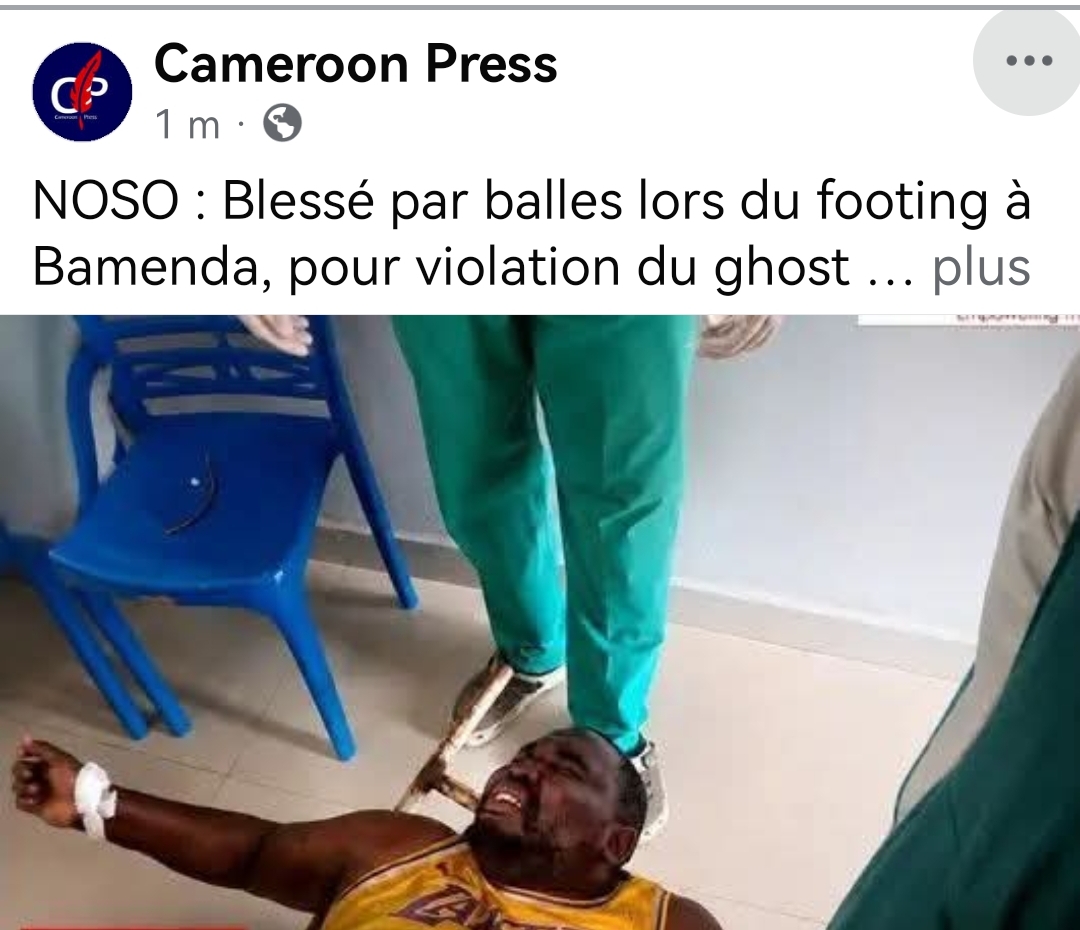
That has been forgotten as the number of soldiers being killed at the war front kept rising alarmingly. Surprisingly occultic bloodthirsty Yaounde hasn’t made any official explanation as to what happened before three other police compatriots, in their prime of life, were killed in Buea on the heels of four others killed in Bamenda on August 2024, while they were on duty.

But the conflict persists, sporadically and leaving in its frightful trail sorrows of death and agony for the bereaved family, friends and neighbours.

International initiatives by the Swiss and Canadians have been rebuffed by Yaounde, just as clarion calls for an inclusive dialogue on a neutral ground. What next?