Can An Anglphone Vice President End the War in Southern Cameroons?
TENSION IN YAOUNDE, CAMEROON
PURE DISTRACTION
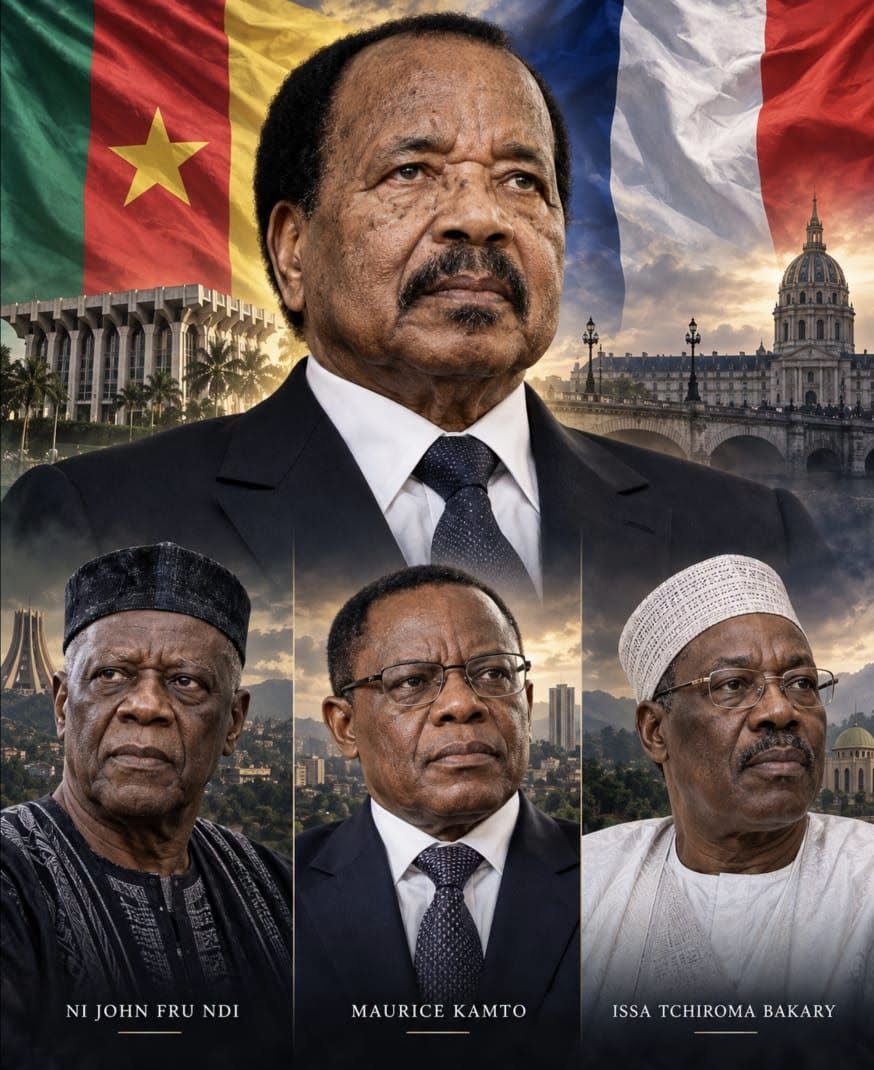
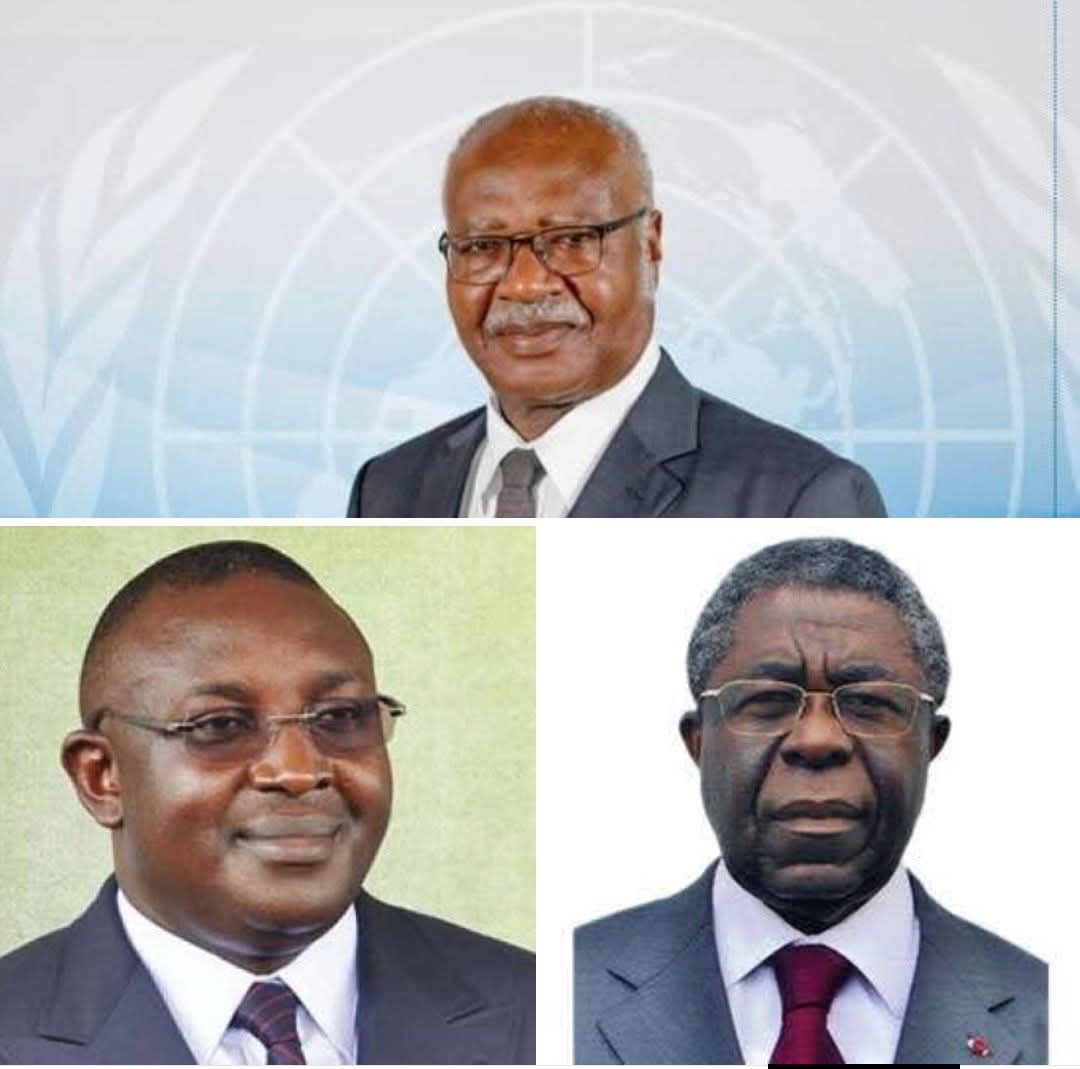
THE 3 ANGLOPHONE CANDIDATES FOR VICE-PRESIDENT
As the nation waits, the National Assembly is about to pass a bill that could reshape Cameroon’s so-called democracy. Under Law No. 2092/PJL/AN, the Biya regime is setting up a system where the Etoudi Palace becomes a family affair, with secret deals and the inclusion of anglophone figures as pawns. The proposed creation of a vice-president role signals a new level of power consolidation—one that will be handed down through appointments, not elections.
This is a major shift in our political system. The proposed constitutional change for March 2026 introduces the vice-president position, but it won’t be elected. Instead, the future vice-president will be appointed directly by the President. This bypasses the need for popular legitimacy, as the new leader will be chosen by the President, not by the will of the people. In short, the vote no longer matters.
The Nanga vs. Bulu Power Struggle
In this high-stakes game, three anglophone figures are being used, not for their skills, but as pawns in a battle between two powerful clans fighting for control:
1. Philémon Yang: Backed by Chantal Biya and Ferdinand Ngoh Ngoh, former Prime Minister Yang is seen as a loyalist. But his tenure saw over 726 billion CFA francs allegedly lost to embezzlement. For the Nanga clan, Yang is the perfect figurehead—someone ready to hand over power to their faction when the time comes.
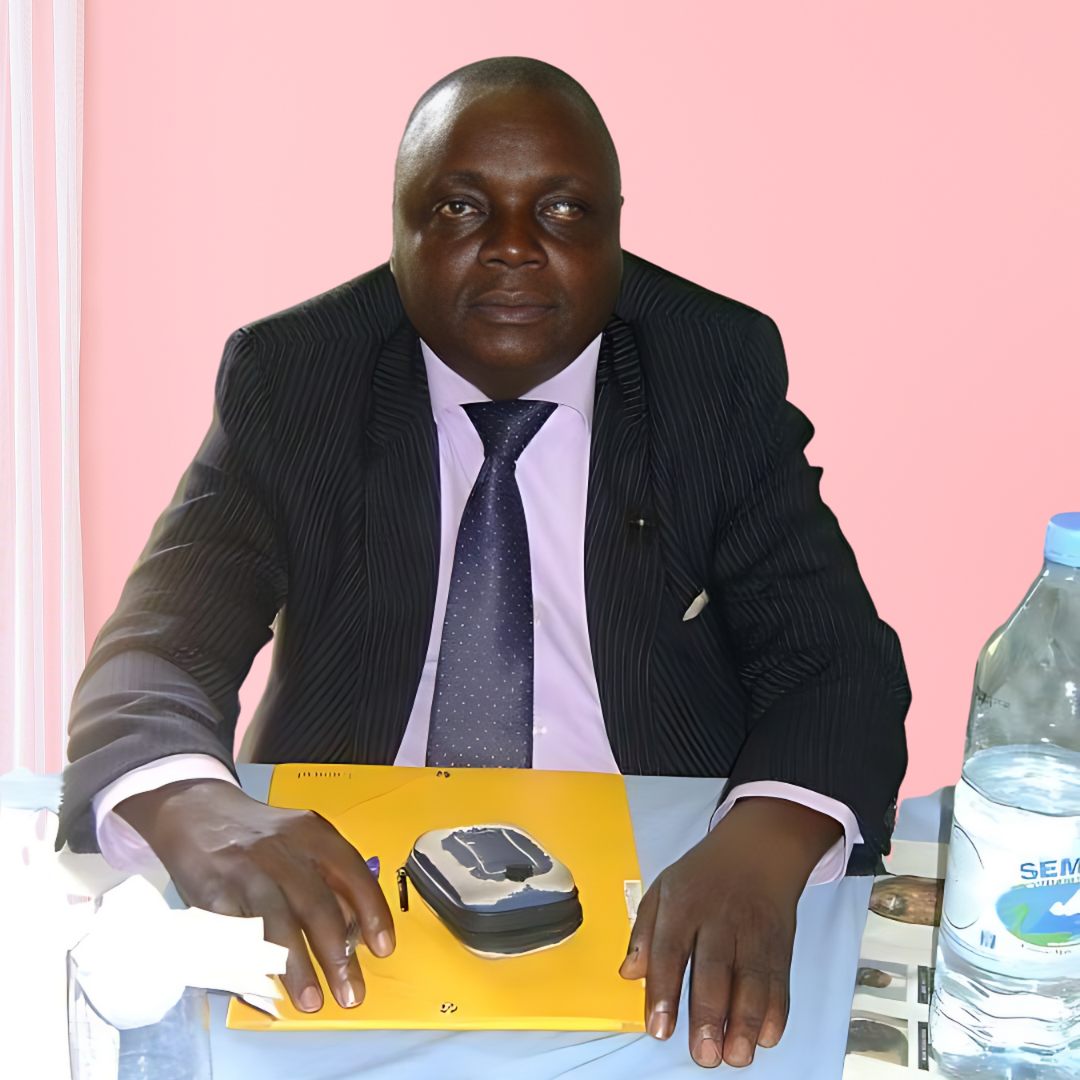
2. Peter Mafany Musonge and Paul Elung Che: Representing the Bulu camp, these two men are part of a strategy to place anglophone figures from the North-West and South-West (NOSO) into power. Musonge, the seasoned veteran, or Elung Che, the Deputy Secretary General of the Presidency, are seen as “ideologically close” to the Bulu clan, who aim to use them to maintain control and preserve the current power structure.
Ibrahim Talba Malla as Prime Minister?
With the creation of the vice-president role and the decision to appoint an anglophone, the Prime Minister’s office is expected to go to someone from the Far North. Ibrahim Talba Malla, the current Minister Delegate at the Presidency in charge of public contracts, is being considered as the next Prime Minister.
The regime’s recent changes to the Senate and National Assembly, along with the creation of new political constituencies, aren’t about bringing government closer to the people. Instead, they’re an attempt to build an artificial majority by flooding the system with more seats, drowning out opposition voices.
While the clans battle over which anglophone figure will be the next figurehead, the Cameroonian people watch as their future is taken from them. This isn’t just a reform—it’s a betrayal. The Constitution, meant to protect citizens, has instead become a tool for maintaining the status quo.
Cameroon is not a dynasty. Power is not a family inheritance. How much longer will we accept this charade?
**Paul Chouta (PC)**
Journalist / Alert Founder
**Contact WhatsApp**:
Cameroon: +237 699217624
Germany: +49 163 2480636