THE UNIVERSITY OF BUEA Plunged INTO DARKNESS!
The University of Buea, a beacon of higher education in Cameroon, recently experienced a harrowing event that has cast a shadow over its campus. On a day that began like any other, the university community was shaken by an unexpected and violent act. A homemade bomb was detonated within the confines of a lecture hall, resulting in injuries to several students. This incident is a stark reminder of the ongoing tensions within the Anglophone regions of Cameroon, where the University of Buea is situated.
The university, which stands as a symbol of academic pursuit and enlightenment, was plunged into darkness not just by the lack of light, but by the fear and uncertainty that such an attack brings. The repercussions of this event extend beyond the immediate physical injuries inflicted upon the victims; it has sown seeds of trepidation and anxiety among students and faculty alike. The attack disrupts the sanctity of education and challenges the very essence of what the University of Buea represents.
In the aftermath, the resilience of the university community is being tested. Classes resumed with a significantly reduced number of students in attendance, a clear indication of the palpable fear that lingers. The governor of the Southwest region has called for a return to normalcy, emphasizing the importance of education and the future of the nation’s youth. Security measures have been heightened, with military presence increased to safeguard those who dare to continue their educational journey amidst the turmoil.
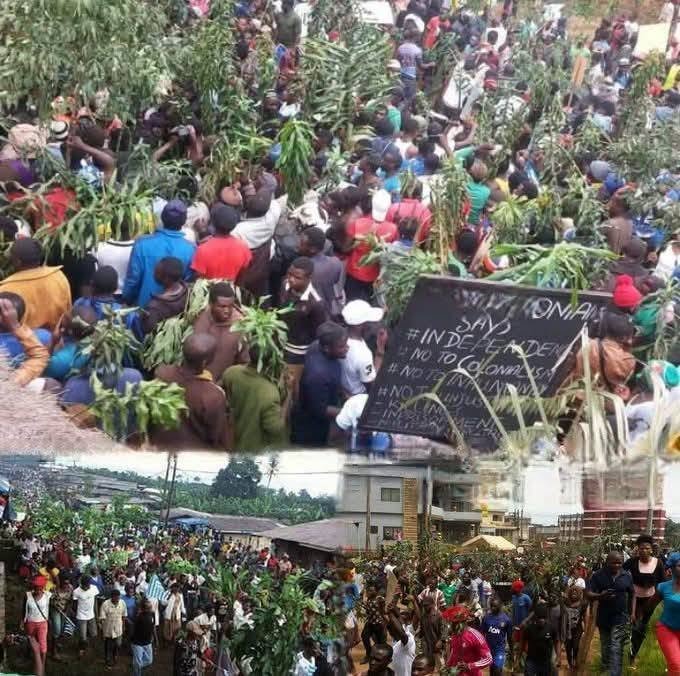
This incident at the University of Buea is not an isolated one; it is part of a larger narrative of unrest that has gripped the English-speaking regions of Cameroon. For years, these areas have been embroiled in a conflict rooted in feelings of marginalization and the desire for autonomy. The violence has led to tragic losses and widespread displacement, painting a grim picture of the struggle for power and identity.
The bombing at the University of Buea serves as a grim reminder of the complexities of this conflict and the far-reaching impact it has on innocent lives. Education, which should be a path to empowerment and development, has become a battleground where the fight for control overshadows the pursuit of knowledge. The darkness that descended upon the university is emblematic of the larger darkness that threatens to engulf the region if a peaceful resolution is not found.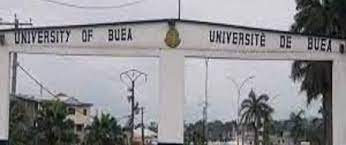
As the University of Buea and its community strive to recover from this incident, the need for dialogue and understanding has never been more critical. It is imperative for all parties involved to seek a peaceful end to the conflict, to restore light not only to the university but to the entire region. The future of Cameroon’s youth and the stability of the nation depends on the ability to transcend the darkness and find a path toward peace and reconciliation.
For more detailed information on the incident and the current situation at the University of Buea, please refer to the reports provided by Africanews and Voice of America. These sources offer a comprehensive view of the events and the ongoing efforts to address the challenges faced by the university and the region at large.
The conflict in Anglophone Cameroon, often referred to as the Anglophone Crisis, has deep historical and socio-political roots. The crisis stems from the colonial era when Cameroon was divided between French and British colonial powers, leading to the establishment of two distinct cultural and linguistic regions: the Francophone and the Anglophone regions.
The current conflict, which escalated in 2017, can be traced back to grievances among the English-speaking population regarding perceived marginalization by the predominantly French-speaking government. These grievances include the appointment of French-educated judges in English-speaking regions, which disregarded the common law system in place, and the use of French in educational and legal systems, which undermined the English language and culture.
Furthermore, there are economic factors at play, with the Anglophone regions feeling economically deprived and marginalized. Despite being rich in natural resources, these regions have not seen commensurate development or investment from the central government. This has fueled feelings of neglect and exploitation.
The situation escalated when peaceful protests by lawyers and teachers in 2016, who demanded the protection of their legal and educational systems, were met with a heavy-handed government response. This led to radicalization among some segments of the Anglophone population and the emergence of armed separatist groups seeking independence for the region they call “Ambazonia”.
The conflict has since seen significant violence and human rights abuses on both sides, leading to a humanitarian crisis with thousands of people killed and hundreds of thousands displaced. Efforts at dialogue have been complicated by the fragmentation of separatist groups and a lack of consensus on the way forward.
The crisis in Anglophone Cameroon is a complex issue with no easy solutions. It requires a multifaceted approach that addresses the historical, cultural, economic, and political dimensions of the conflict. A sustainable resolution would likely involve inclusive dialogue, respect for the rule of law, and genuine efforts to address the concerns of the Anglophone population. For more detailed information on the crisis, readers can refer to the comprehensive reports provided by sources such as Wikipedia and Deutsche Welle.