Cameroon and the UK Launch Drive to Speed Up Major Investment Projects
Cameroon and the United Kingdom have launched a new drive to accelerate the implementation of projects financed under the UK Export Finance (UKEF) facility. This aims to accelerate delivery of infrastructure investments tied to a funding portfolio now valued at £1.5 billion, or about CFAF1.73 trillion, according to official figures.
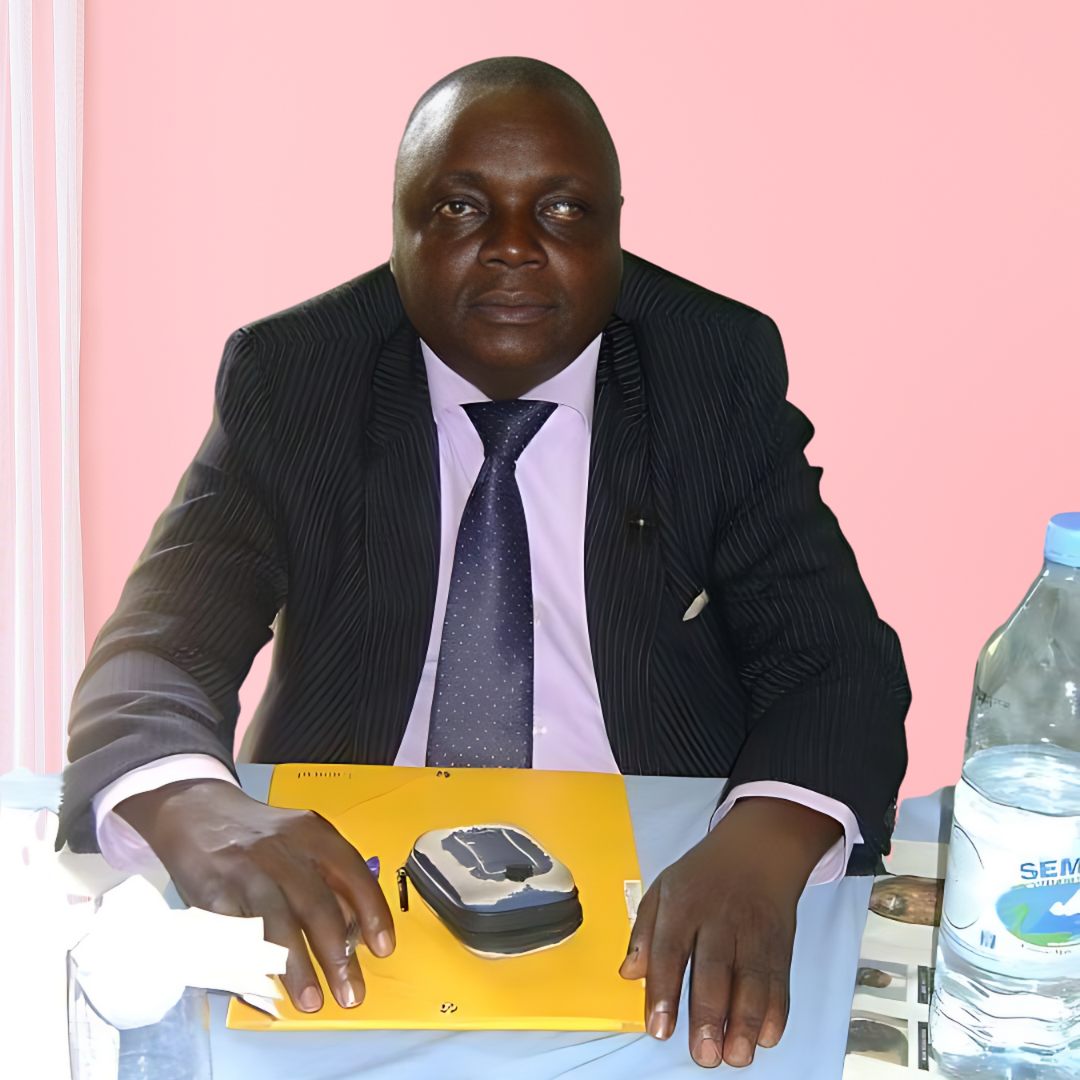
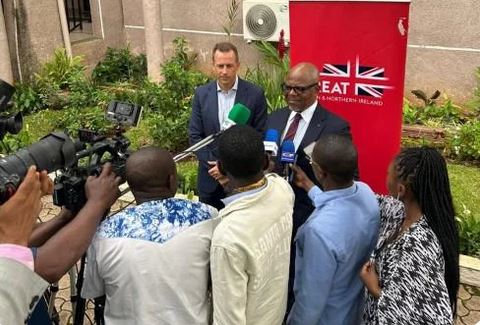
A capacity-building workshop bringing together government agencies, ministries and technical stakeholders was held recently in Yaounde by the Ministry of the Economy, Planning and Regional Development in partnership with the British High Commission. The meeting was co-chaired by the Minister Delegate to the Minister of the Economy in charge of Planning, Paul Tasong, and the British High Commissioner to Cameroon, Matt Woods. The workshop focused on improving project preparation and reducing administrative delays that continue to slow the execution of projects eligible for UKEF financing.
Officials said the initiative followed repeated concerns over the long timelines required for projects to meet financing conditions, particularly environmental and social compliance standards. Participants noted that some projects take years before implementation can begin due to extensive preparatory procedures tied to environmental safeguards and regulatory assessments. One participant at the workshop said certain projects face delays because of requirements linked to protecting ecosystems and animal habitats before construction approval is granted. The Ebolowa-Akom II-Kribi road project was cited as one example where such procedures contributed to implementation delays.
According to Paul Tasong, the workshop was designed to help public institutions better prepare projects submitted for UKEF financing in order to reduce lost time and improve execution rates. He said Cameroon and the United Kingdom considered it necessary to strengthen the technical capacities of ministries, agencies and institutions involved in project development and financing procedures.
“Projects have been delayed because of the long preparation process linked to compliance requirements. We thought it was important for both parties to come together to strengthen the capacities of agencies, ministries and other national institutions involved in preparing projects submitted for UKEF financing to avoid this loss of time,” Tasong said.
The minister added that environmental and social safeguards remained necessary despite the delays observed in implementation. He said projects financed under the partnership must continue to protect surrounding communities and avoid damaging ecosystems during execution.
“The condition requiring compliance with environmental standards is important because these projects are implemented for the well-being of the population. Social and environmental conditions must be taken into account so that projects do not negatively affect surrounding communities or destroy the environment,” Tasong added.
The workshop also highlighted the growing economic cooperation between Cameroon and the United Kingdom, particularly in infrastructure financing and investment promotion. UKEF, the UK government’s export credit agency, has expanded its financing support for Cameroon in recent years as both countries deepen cooperation around transport infrastructure, growth and investment.
Matt Woods said both sides were seeking more concrete and faster project implementation under the partnership. He stressed the importance of mastering procedures and improving coordination between institutions involved in project delivery.
“We have been partners with the Ministry of the Economy for a long time, and we want to see projects implemented more rapidly. That requires being more concrete, and that is why we need to better master our procedures,” Woods said.

Mercy Fosoh/BN
Cameroon and the UK Launch Drive to Speed Up Major Investment Projects