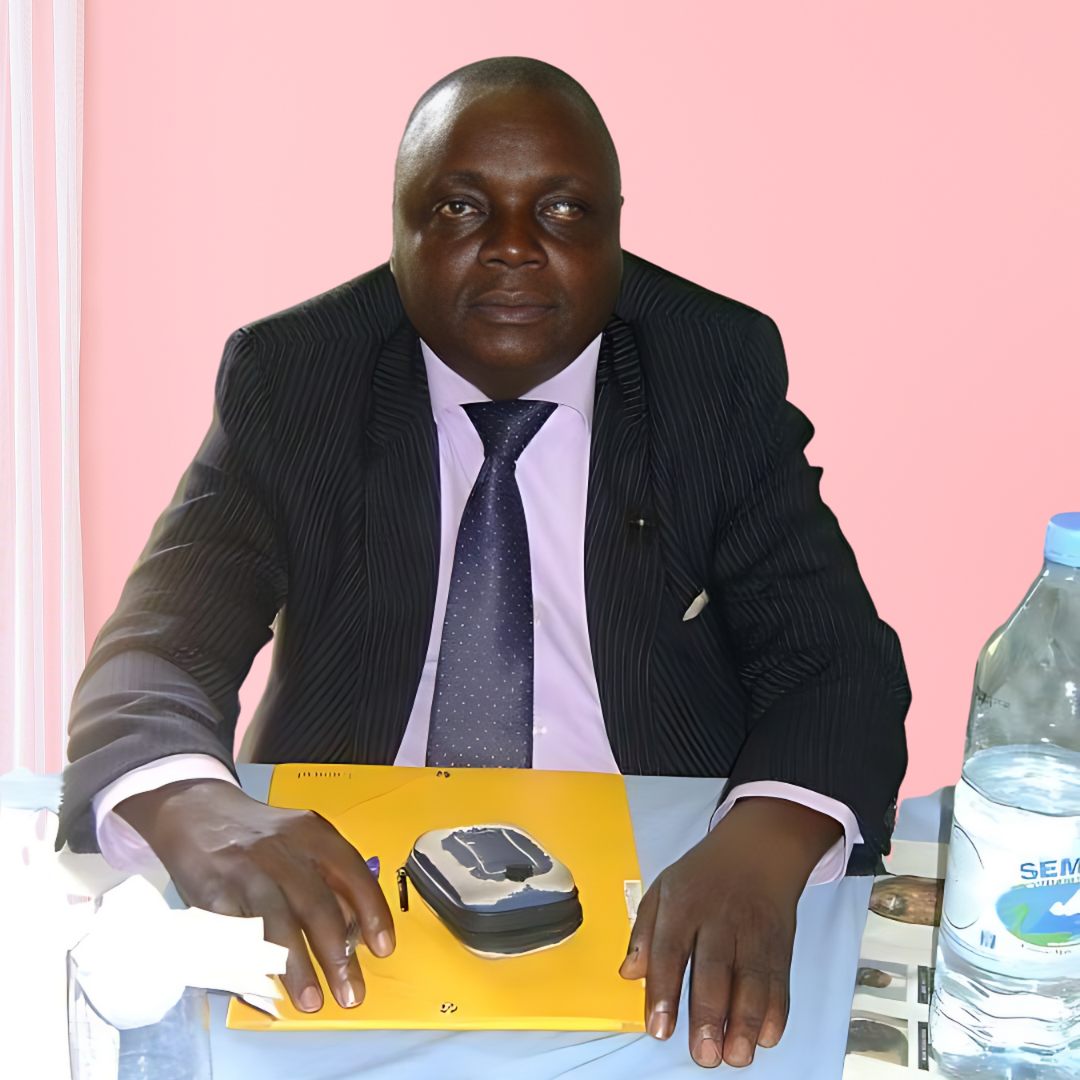

Separatists fought shot and killed the deputy Mayor of Babessi
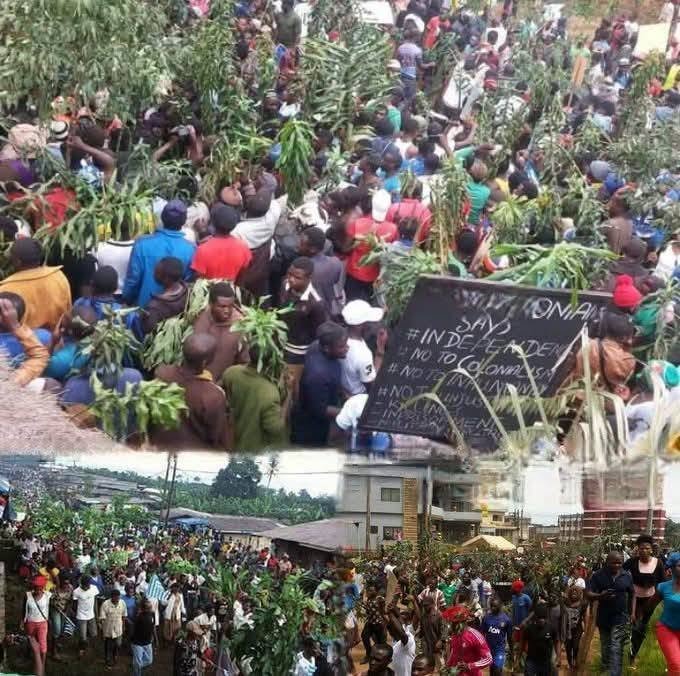
Nkwato Solomon, the 2nd Deputy Mayor of Babessi Council in Ngoketunjia Division, tragically lost his life on Friday, March 22nd, 2024, in an incident involving Ambazonia separatist fighters.
“The assistant mayor of BABESSI council in BABESSI subdivision was shot dead in his own house by Amba boys,”.
The recent incident adds to a long list of targeted killings that have caused a great deal of fear and uncertainty among Anglophones, shedding light on the persistent crisis that continues to affect the English-speaking regions of Cameroon.
The tragic incident occurred when Mr. Nkwato, a highly regarded individual known for his commitment to serving the public, was tragically shot at close range within the confines of his own home. Witnesses who spoke to MMI described a scene of utter chaos as the attackers made their escape, leaving the Deputy Mayor with severe injuries from which he died.
The community is grieving the loss of a dedicated advocate who worked tirelessly to enhance the lives of residents. The Anglophone Crisis arises from the historical neglect of English-speaking regions in Cameroon, a country where French is the dominant language. In 2016, tensions reached a boiling point as teachers and lawyers from the Anglophone community took to the streets to demand greater recognition for their language and legal system. The government’s strong response to these protests sparked a movement for independence in the English-speaking regions. A small group of armed individuals and their supporters in the diaspora, known as the Ambazonians, subsequently hijacked this peaceful movement.
The conflict has escalated into a violent confrontation between the Ambazonian fighters and Cameroonian security forces. Ordinary civilians have tragically become victims of violence and displacement, caught amid a devastating crossfire.
The Babessi Council and surrounding areas are now faced with the challenging task of healing and moving forward after the unfortunate loss of Deputy Mayor Nkwato. His unfortunate passing highlights the urgency of finding a peaceful resolution to the Anglophone Crisis. Dialogue and a sincere effort to address the underlying issues are crucial for Cameroon to attain enduring peace and stability in its English-speaking regions.
Journalists operating in conflict zones face a multitude of challenges that can impede their ability to report and can pose serious risks to their safety. One of the most immediate dangers is the threat of physical harm. Reporters often work close to active combat, which can lead to injury or death from crossfire, bombings, or targeted attacks. The United Nations has highlighted the alarming number of journalists who have been killed while covering conflicts, underscoring the need for better protection under international humanitarian law.
In addition to physical threats, journalists must navigate various forms of psychological stress, including the trauma of witnessing and reporting on violence and human suffering. This can lead to long-term mental health issues such as post-traumatic stress disorder (PTSD). Journalists also face the challenge of arbitrary detention by parties in conflict who may view the press as a threat or a tool for propaganda. This can result in imprisonment, torture, or even death.
Access to information is another significant hurdle. Journalists may be denied visas or have their movements restricted, preventing them from reaching crucial areas or reporting on certain events. Equipment and personal protective gear are often difficult to obtain and transport, which can further limit their ability to work safely and effectively.
Moreover, the rise of digital journalism has introduced new challenges, such as cyber threats and surveillance, which can compromise journalists’ work and their sources’ confidentiality. Female journalists face additional risks, including gender-based violence and harassment both online and offline. These challenges are compounded by the high level of impunity for crimes against journalists. Despite a slight decrease in journalist killings, UNESCO reports that the majority of these cases remain unresolved, with perpetrators rarely brought to justice.
The complexity of modern warfare, with its blend of conventional battles and asymmetric guerrilla tactics, adds another layer of difficulty. Journalists must be knowledgeable about the weapons and tactics used in these conflicts to navigate them safely and report accurately. They also have to contend with damaged infrastructure, which can hinder communication and transportation.
Ethical dilemmas are ever-present. Journalists must balance the public’s right to know against the potential harm that their reporting could cause, such as endangering lives or influencing the conflict’s outcome. They must report truthfully while ensuring that their work does not become propaganda for any side of the conflict.
The challenges faced by journalists in conflict zones are daunting, yet their work is crucial for providing accurate information that can lead to informed public discourse and, ultimately, peace. The international community, media organizations, and journalists themselves must continue to work towards safer conditions and the protection of press freedom in these high-risk environments.