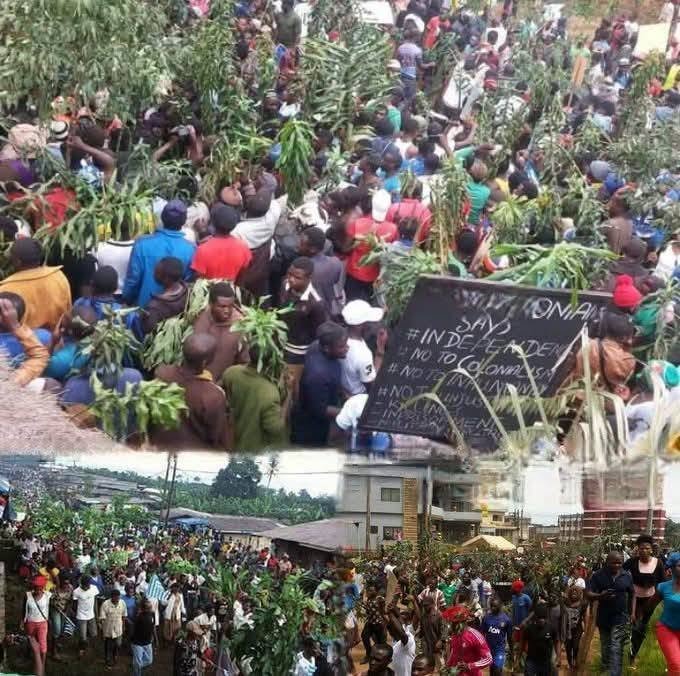

In Cameroon, a nation of over 27.9 million people, the high cost of living is a pressing concern that suffocates the financial well-being of many households. The country’s economic landscape is marked by its rich natural resources, yet it faces significant challenges in translating this wealth into improved living standards for its population. Political strides have been made, with the first regional elections held in December 2020, marking the beginning of a decentralization process that promises more localized governance. However, the impact of these political changes on the cost of living has yet to be fully realized.
The economic overview of Cameroon shows a mixed picture. While fiscal balances improved in 2022, largely due to rising oil prices, the reliance on oil and other extractive industries makes the economy vulnerable to commodity market volatility. The first half of 2023 saw an average food price inflation rate of 9.6% in the CEMAC region, underscoring the direct impact on the cost of living for Cameroonian households, particularly the most vulnerable. Poverty levels remain high and stagnant, exacerbated by weak economic growth that lags behind the population growth rate.
Socially, the disparities are stark. Nearly 4 out of 10 Cameroonians live below the poverty line, with poverty concentrated in the northern regions where 56% of the poor reside. Essential social services coverage rates were challenging even before the COVID-19 health crisis, with significant portions of the population lacking access to potable water, birth registration, and primary education. The crisis in the Anglophone regions has displaced over a million people internally, adding to the social strain and further stretching the resources of households across the nation.
The cost of living crisis affects various aspects of daily life. For expatriates, the average monthly cost of living is estimated between $1,500 to $2,000, covering necessities such as rent, food, and transportation. For locals, the situation is even more dire, with high crime rates and a lack of infrastructure compounding the economic pressures. The UNCTAD highlights the regressive nature of the cost-of-living crisis, disproportionately affecting the poorest households, women, and girls, leading to increased food insecurity, malnutrition, and hunger.
In response to these challenges, the United Nations Children’s Fund (UNICEF) reported on the situation of children in Cameroon, noting that major indicators of child wellbeing have not significantly changed, with a large percentage of children not enrolled in primary school and high dropout rates in secondary education. The National Development Strategy launched in November aims to address these issues through structural economic transformation and the development of human capital.
The high cost of living in Cameroon is a multifaceted issue that requires a comprehensive approach, involving economic reforms, improved social services, and targeted support for the most vulnerable. As the country continues to navigate its political and economic transitions, the well-being of its households hangs in the balance, calling for concerted efforts from both national and international stakeholders to alleviate the financial burdens faced by the Cameroonian people. The road ahead is challenging, but with resilience and strategic action, there is hope for a more equitable and prosperous future for all Cameroonians.

In several cities across the country, the inflation rate for certain products and services has passed the 25% mark, putting households whose incomes have not increased in difficulty.
In Yaoundé, the political capital, several families are buckling under the weight of the high cost of living. In the Kondengui district, in the 4th district of Yaoundé, Julie returns from the Ekounou market located in the same administrative district. His basket is almost empty. “I went to the market this morning with 5000 FCFA to do the shopping, you can see that I came home with an almost empty basket. I had to buy fish, two kilos of rice, tomatoes, and half a liter of oil. At the market, I couldn’t do all my shopping because of the high cost of living,” she says.
This is because, in just a few months, the prices of products have increased exponentially. “There is a kind of sea bass fish that I bought at 2000 FCFA per kilo, I found that this fish already costs 2300 FCFA. The kilogram of rice which costs 600 FCFA is sold at 700 FCFA. The half liter of Mayor costs from 700 FCFA to 850 FCFA,” she adds. An increase in prices did not allow this lady to do her shopping as planned.
Apart from the foodstuffs mentioned above, several other products have increased drastically. A kg of Milko milk now costs 5500, compared to 4900 in the past. Phosphatines depending on the brand range from 800 to 900; from 1000 to 1200. The 5 kg bag of Mémé flavored rice which sold at 4500 FCFA now costs 4700. Mineral waters went from 850 to 950 and from 1100 to 1200 for the 10-liter container. Mayor vegetable oil saw an increase of almost 20%, going from 1400 to 1700 FCFA per liter.
The prices of services have also increased. Firstly, urban and peri-urban transport. “The government has officially increased the taxi by 50 FCFA. The taxi increased to 400 FCFA for me per day. I paid 100 FCFA for the motorbike to leave my house and take the 300 taxi to go to work. Now I pay 200 FCFA for the motorbike and 400 FCFA for the taxi, take it or leave it. In the meantime my salary has not increased,” laments Larissa, a waiter in a restaurant.
This increase in the price of products and services follows the last increase in the prices of certain petroleum products which occurred last March. To cushion the shock of this increase, the government carried out a slight increase in the salaries of civil servants, but this measure proved powerless in the face of the rising cost of living.