World Bank Approves $300 Million Loan (≈ 182 Billion FCFA) for Cameroon’s PROLOG Project in Crisis-Hit Regions
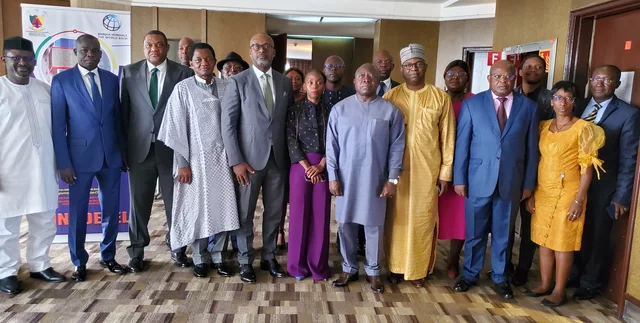
In a significant move to bolster development in regions affected by various crises, the World Bank has extended an offer of 300 million US dollars, approximately 182 billion FCFA, to Cameroon. This funding is part of the Local Governance and Resilient Communities Project (PROLOG), aimed at enhancing the resilience and development of six regions that have been particularly hard-hit by crises.
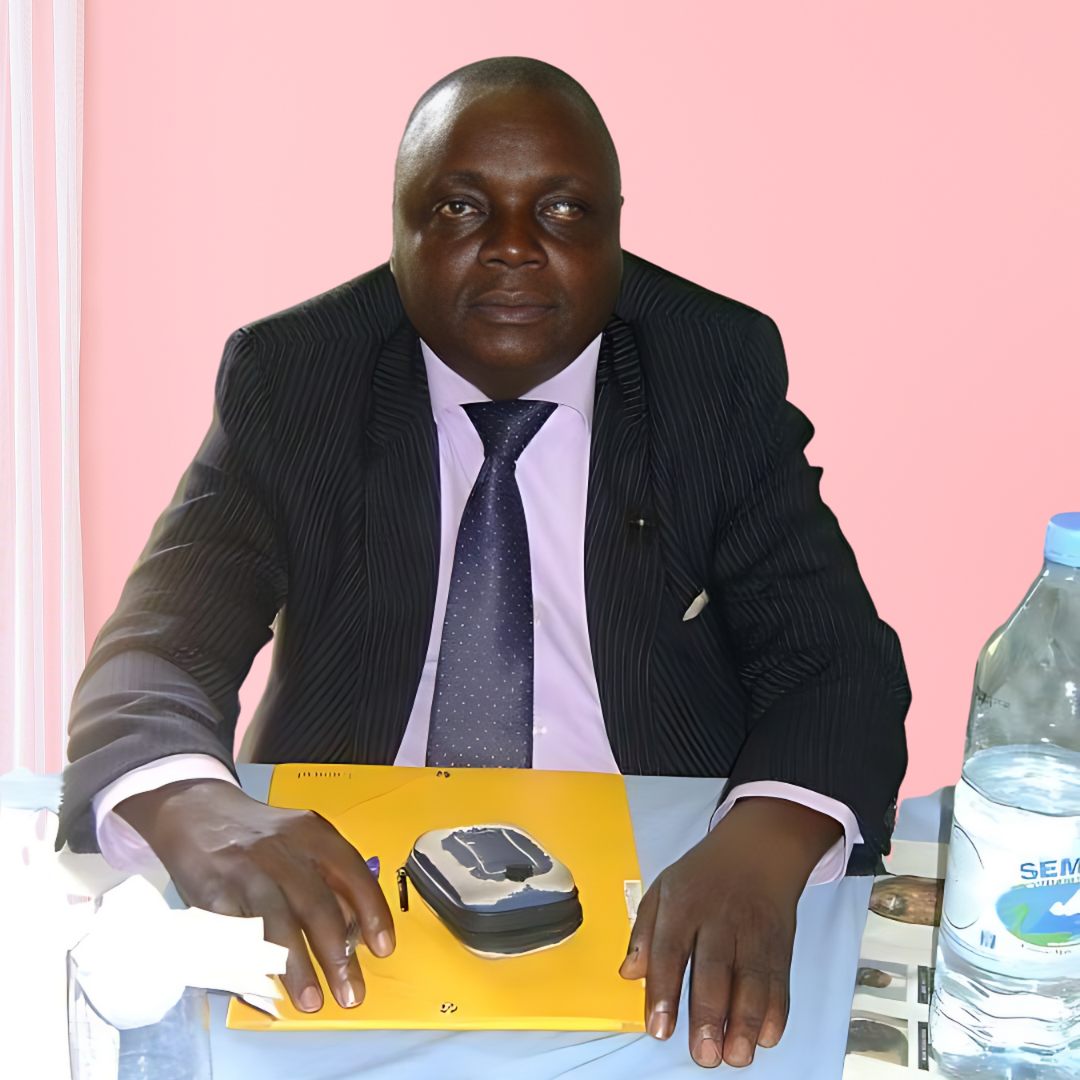
The initiative was inaugurated by the Minister of Decentralisation and Local Development, Georges Elanga Obam, who emphasized the importance of effective project implementation. The minister highlighted that the allocated funds would be directed towards development projects chosen by the communities themselves, ensuring that these initiatives are in line with the specific needs and characteristics of the local populations.
One of the critical aspects of this project is its focus on climate change and its implications. A portion of the funds will be dedicated to helping communities mitigate and adapt to the changing climate, which has increasingly severe consequences. This approach underscores the World Bank’s recognition of the interconnectedness of environmental sustainability and economic development.
The selection of the six regions for the pilot phase of PROLOG is strategic, given that these areas are currently facing significant challenges. The project aims to assist local authorities and communities in utilizing the funds to implement projects that will have a transformative impact on livelihoods, with a particular emphasis on women and children, who often bear the brunt of conflicts.
The World Bank’s approach goes beyond financial assistance; it includes a comprehensive evaluation mechanism to ensure that the projects not only meet the immediate needs of the communities but also contribute to sustainable development. This initiative is a testament to the World Bank’s commitment to working closely with local communities to foster development and resilience in the face of adversity.
As the world grapples with multiple overlapping crises, the World Bank Group has ramped up its financing efforts, prepared to deploy around $170 billion through June 2023 to assist countries in navigating these challenging times. This proactive stance is part of a broader strategy to address the pandemic’s health, economic, and social impacts, which have severely affected millions of people in developing countries.
The World Bank Group’s surge in financing is the largest crisis response in its history, reflecting a deep understanding of the urgent need for concerted efforts to support countries in crisis. The deployment of over $157 billion to combat the pandemic’s effects from April 2020 to June 2021 is a clear indication of the group’s rapid and comprehensive action to help countries address the immediate and long-term consequences of the pandemic.
The World Bank’s offer to Cameroon is a beacon of hope for the crises-hit regions, promising not only to revive development but also to lay the groundwork for a more resilient and sustainable future.