
The Central African Republic’s Fuel Crisis: Examining the Impact of Tamoil and Total Stations on the Current Fuel Shortage in Bangui.
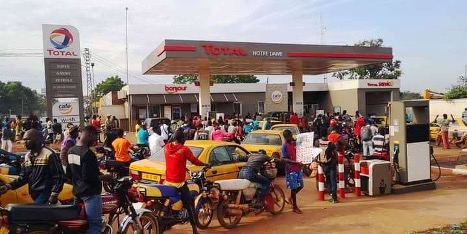
The Central African Republic (CAR) is grappling with a severe fuel shortage that has put a spotlight on Tamoil, the marketer and recent buyer of Total stations in the region. This crisis has had a profound impact on the daily lives of the residents of Bangui, the nation’s capital, where fuel scarcity has become a pressing issue.
The shortage has led to a rise in black market activities, with roadside ‘petrol kings’ emerging as key players in an informal economy that thrives on the gaps left by the formal sector. The situation has forced many motor taxi drivers to either abandon their trade or face the burden of inflated prices, which has, in turn, affected their income and livelihood.
The government’s fixed petrol price at 865 CFA francs per litre has been undercut by street prices that soar up to 40 per cent higher, reflecting the desperation and urgency of the situation. This disparity in pricing not only highlights the economic challenges but also underscores the social inequities that arise from such crises.
The World Bank has pointed out that fuel subsidy reforms could pave the way for a more resilient and sustainable economy in CAR. Such reforms are crucial, especially considering that the subsidies tend to benefit the wealthier segments of the population, while the poorest, who rely more on kerosene, receive comparatively fewer benefits.
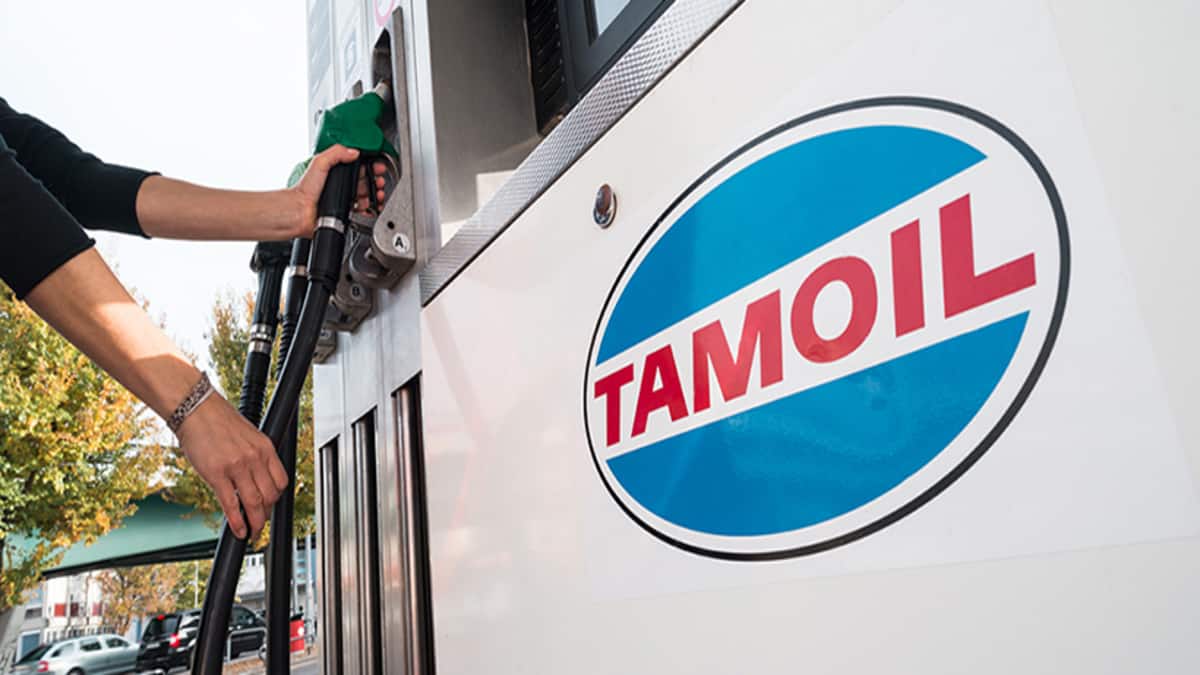 A Tamoil station
Moreover, the unpaid customs duties by Total stations have exacerbated the fuel scarcity, leading to a halt in operations and a ripple effect on socio-economic activities across Bangui. This has raised questions about the future of TotalEnergies in the region, as more than half of their stations have shut down due to the lack of fuel, causing frustration among motorists and transporters alike.
As the residents of Bangui grapple with this prolonged fuel crisis, it becomes evident that a multi-faceted approach is needed to address the underlying issues. This includes tackling the immediate shortages, reforming fuel subsidies, and creating a more equitable distribution system that can withstand the pressures of both domestic challenges and external economic forces.
The situation in CAR serves as a stark reminder of the delicate balance between energy supply, economic stability, and social equity. It is a complex puzzle that requires not only immediate action but also long-term strategic planning to ensure that the nation can move towards a future where such crises are a thing of the past.
The Central African Republic’s Fuel Shortage: Unpacking the Causes

The Central African Republic (CAR) is currently facing a critical fuel shortage, which has led to significant economic and social challenges. The main causes of this shortage can be traced to a combination of factors that have disrupted the supply and distribution of fuel within the country.
One of the primary reasons for the shortage is the increased demand for fuel, which has not been met by an adequate supply. This imbalance has been exacerbated by several underlying issues:
1. **Economic Standstill**: The CAR’s economy experienced a halt in 2022 due to severe floods that affected a large part of the country, damaging infrastructure and disrupting transportation routes.
2. **Government and Importer Tensions**: Pre-existing tensions between the government and fuel importers have led to a limited fuel supply on the formal market, contributing to economic paralysis, especially in energy-dependent sectors.
3. **Black Market Development**: The emergence of a black market for fuel has prevented a complete economic collapse; however, it has also resulted in higher energy prices for low-income households, further exacerbating their hardship.
4. **Global Influences**: The war in Ukraine has ripple effect on the fuel situation in CAR, as the conflict has led to increased global fuel prices and affected the supply chains on which the country relies.
5. **Supply Disruptions and Smuggling**: Supply disruptions, coupled with illegal trade and smuggling in conflict zones, have also played a role in fuel shortages, stifling regional economic growth and contributing to rising food prices and social unrest.
These factors combined have created a complex situation that has affected the availability of fuel and the overall stability of the CAR’s economy and society. Addressing these issues will require a multifaceted approach that considers both immediate relief measures and long-term strategic reforms. The situation underscores the importance of sustainable energy policies and robust economic planning to prevent such crises in the future.
The Central African Republic’s Response to the Fuel Crisis
The Central African Republic (CAR) is actively seeking solutions to the ongoing fuel crisis that has significantly affected its economy and the daily lives of its citizens. The government, in collaboration with international organizations, has initiated several measures aimed at mitigating the impact of the fuel shortage and preventing future crises.
1. **Economic Update and Reform Plans**: The World Bank has released an economic update for CAR, emphasizing the need for reforming fossil fuel subsidies. The report suggests that removing these subsidies, except for kerosene, could have a limited one-time effect on prices but would require a strong mitigation package focused on protecting the most vulnerable.
2. **Projected Economic Rebound**: The government is working towards improving the fuel supply in the domestic market, which is expected to contribute to an economic rebound with a projected real GDP growth of 3.6% over the period 2023-25.
3. **Addressing Poverty and Food Insecurity**: More than 3.5 million people continue to live in extreme poverty in CAR. The government is aiming to implement bold reforms to boost the economy and improve living standards by enhancing social protection, attracting private investments, promoting trade development, and improving fiscal transparency.
4. **Fuel Subsidy Reforms**: The government is considering reforms on fuel subsidies, which have surged globally and represent a significant fiscal burden. These reforms are intended to introduce market corrections and drive a more equitable distribution of fuel resources.
5. **Combating Illegal Fuel Trade**: To address the issue of supply disruptions and smuggling, the government is taking steps to regulate the fuel market more strictly and combat the illegal trade, especially in conflict zones, which has been a contributing factor to the shortages.
These measures reflect the government’s commitment to resolving the current crisis and setting a foundation for a more resilient and sustainable economy. The focus remains on balancing immediate relief efforts with long-term strategic planning to ensure energy security and economic stability for the nation’s future.