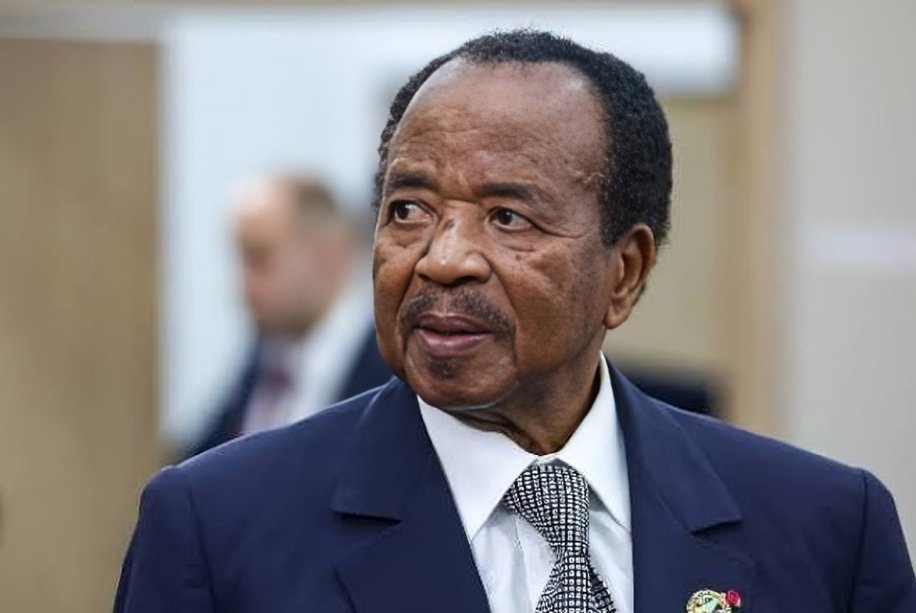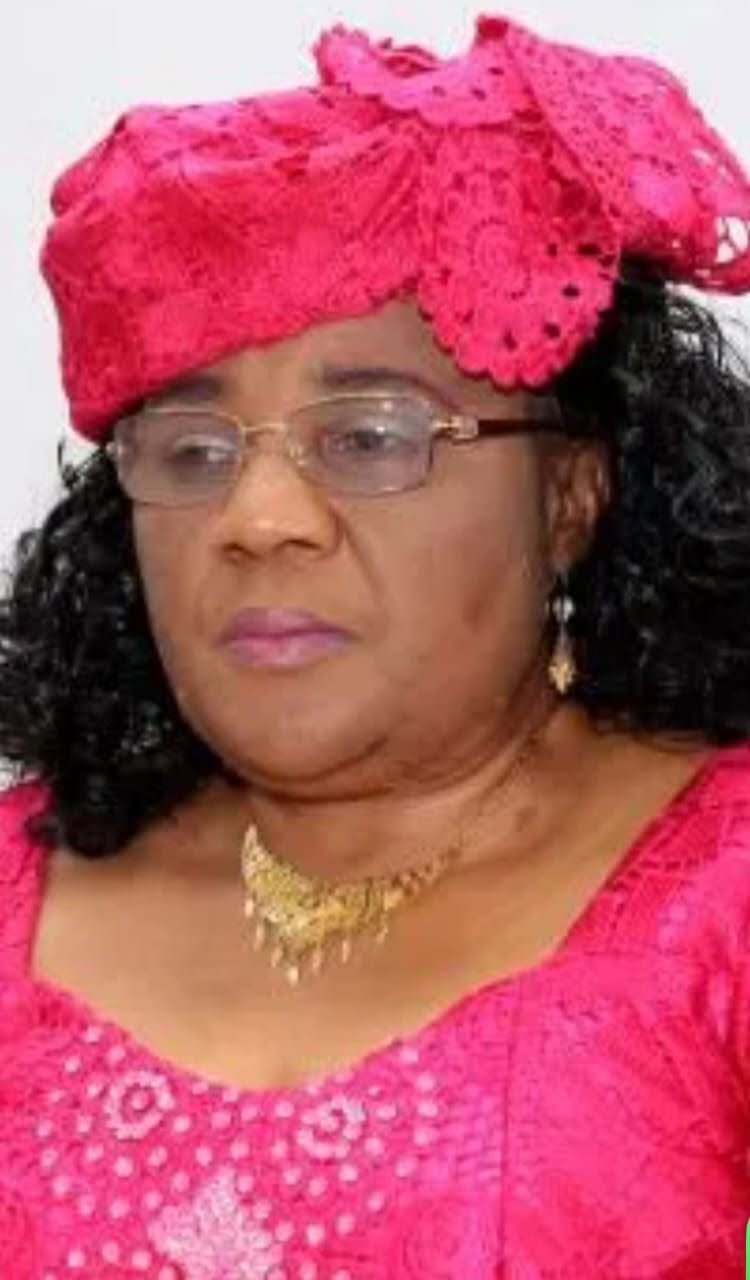


Why has the government reshuffle promised by Paul Biya since November 2025 still not taken place? The truth at last.
Cabinet Reshuffle: Jeune Afrique reveals the secret projects blocking everything — Deputy Prime Minister, new ministries, and experts
Why has the government reshuffle promised by Paul Biya since November 2025 still not taken place — despite repeated promises, despite Souley Onohiolo’s beard growing continuously for six and a half months, despite the impatience of an entire country? Jeune Afrique, in an exclusive investigation published on June 3, 2026, finally provides an answer that goes beyond the usual clan rivalries: what is being prepared is not a simple reshuffle, but a profound overhaul of the entire architecture of the Cameroonian state. And this overhaul takes time — because it is conducted in secret, conditioned by complex arbitrations, and supervised by the two most powerful men in Etoudi.
Jeune Afrique reveals that the state apparatus overhaul projects are “supervised by Ferdinand Ngoh Ngoh, the Secretary General of the Presidency, and Samuel Mvondo Ayolo, the director of the civil cabinet.” The two apparent rivals — one of whom is in Franck Biya’s sights for control of presidential information — find themselves working together on the same institutional architecture. A functional convergence that indicates that, whatever clan wars oppose them over the Vice-Presidency, they remain indispensable cogs in the same system.
These projects, Jeune Afrique specifies, “could lead to a significant overhaul of the governmental and administrative architecture, and require arbitrations.” Arbitrations that only Paul Biya can decide — and which he has not yet decided. Hence the wait. “The next government might not be the result of a simple reshuffle, but the reflection of a deeper reorganization of the state apparatus,” the newspaper summarizes. A government designed as a coherent system — and not as a mere redistribution of existing portfolios.
A Deputy Prime Minister in preparation: the innovation that changes everything
The most unexpected revelation of the Jeune Afrique investigation concerns the planned creation of a Deputy Prime Minister position — a function that “does not exist in the current organizational chart.” According to a source close to the presidency cited by the newspaper, this innovation reflects “a desire to strengthen the coordination of government action and could foreshadow a redistribution of responsibilities within the executive.”
This revelation is of paramount importance in the current context. Because if a Deputy Prime Minister is created at the same time as a Vice-President of the Republic is appointed, the architecture of Cameroonian executive power would be profoundly restructured — with two potential number twos, with different attributions but potentially converging ambitions. The question of who would be Deputy Prime Minister — and whether this position would be a consolation for those who would not have obtained the Vice-Presidency — is already on everyone’s lips in power circles.
Legal experts dispatched from Europe to draft the texts
Jeune Afrique reveals an operational detail that indicates the scale of this project: “Experts, led by Cameroonian jurists and academics, have been dispatched from Europe to draft the texts concerning the organization and functioning of this institution” — in reference to the Vice-Presidency. European jurists serving in the drafting of the founding texts of the new Cameroonian constitutional institution. An outsourcing of legal engineering that speaks both to the complexity of the work and the scarcity of internally available skills for a project of such scope.
These experts are working in parallel with discussions on the future governmental organizational chart — and their deliverables partly condition the reshuffle schedule. As long as the organic texts of the Vice-Presidency are not finalized, validated by Paul Biya, and published, appointing a Vice-President and forming a new government consistent with this new architecture is technically premature.
Jeune Afrique exclusively reveals the list of envisaged modifications to the governmental organizational chart. The Ministry of Justice would become the “Ministry of Justice and Human Rights” — a signal to the international community regularly critical of the human rights situation. The Ministry of Superior State Control would be renamed the “Ministry of Superior State Control and Public Transparency.” Also planned are a Ministry of Mines and Hydrocarbons — merging currently dispersed competencies —a Ministry of Urban Infrastructure, and a portfolio dedicated to Women, Family, and Equity. In education, a rapprochement between Higher Education and Scientific Research is being studied to create bridges between universities and research centers.