
When Every Crisis Becomes Existential
Political activism in Cameroon has increasingly pushed us to treat every political crisis—whether minor or major—as an existential battle. Every disagreement becomes a question of survival; every controversy is framed as a final test of loyalty; every institutional failure is swallowed by the noise of partisan urgency. The danger is that, in this atmosphere of permanent alarm, citizens begin to lose sight of the deeper and more consequential decay taking place before their eyes: the slow failure of our democratic evolution, the erosion of accountability, and the systematic weakening of the institutions meant to protect the public interest. When everything is presented as a life-or-death political struggle, nothing is examined with the calm and seriousness it deserves. Outrage replaces reflection. Mobilization replaces reform. Loyalty replaces principle. And in the process, the country becomes less sensitive to the quiet collapse of the very foundations on which a democratic society must stand. The real question, then, is not whether each crisis matters. Many do. The deeper question is whether the cumulative effect of these repeated crises—normalized, politicized, and left unresolved—will eventually force a national reckoning. Will citizens come to see that the greatest danger is not always the crisis of the day, but the long-term destruction of democratic habits, public trust, and institutional strength? Because if we fail to confront that, the cost will not be paid by one party, one leader, or one generation alone. It will be paid by the nation itself.
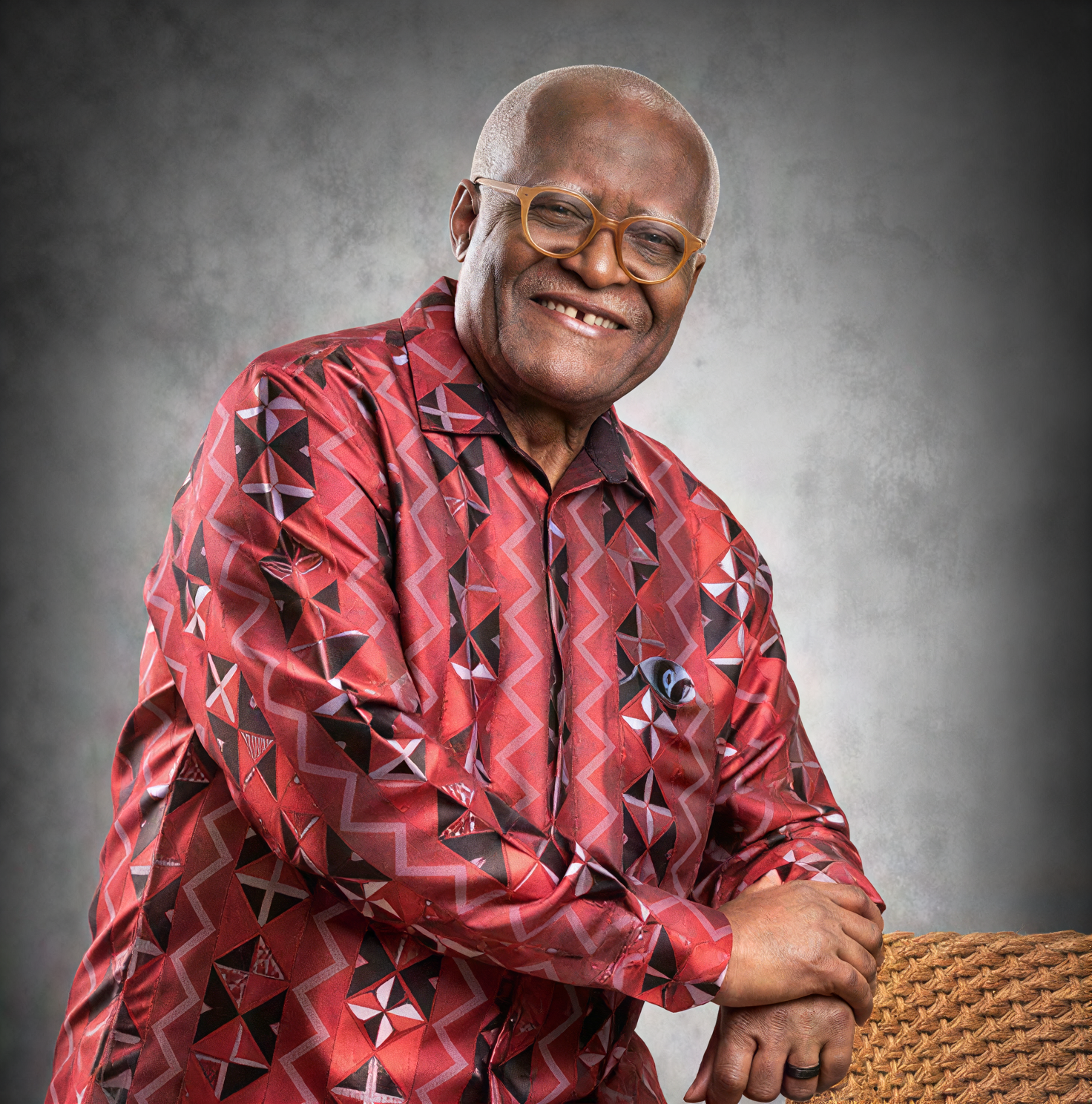
Global Anti-Corruption Consultant/Activist | Member, African Union HLP on Illicit Financial Flows from Africa | Former V-Chair, TI | Former President, AU ECOSOCC
Cameroon: When Every Crisis Becomes Existential, by Akere Muna