Ambitious 8 Billion Investment to Propel Cameroon’s Agriculture by June
Cameroon’s Agricultural Ambitions: A Look into the Future
Cameroon has recently made headlines with its ambitious plan to capture more than 8 billion to fund four major agricultural projects by the end of June. This move is a significant step towards enhancing the nation’s agricultural sector, which is a cornerstone of its economy and a vital source of livelihood for a large portion of its population.
The government’s initiative reflects a strategic approach to addressing the challenges faced by the agricultural sector, including climate change, rising costs of agricultural inputs, and the need for sustainable development practices. The projects aim to boost productivity, ensure food security, and contribute to the overall economic growth of the country.
One of the key aspects of this initiative is the emphasis on sustainable and inclusive development. The government has recognized the importance of involving local communities, especially Indigenous populations, in the decision-making process. This approach not only ensures that the projects are culturally sensitive and beneficial to the local populace but also helps preserve the traditional knowledge and practices that are integral to the agricultural heritage of Cameroon.
However, the path to agricultural development is not without its challenges. The push for expansion has raised concerns among Indigenous communities, particularly the Baka people, who fear the loss of their traditional lands and the negative impact on their way of life. The government’s efforts to finalize new land reforms are crucial in addressing these concerns and ensuring that the rights and interests of these communities are safeguarded.
Moreover, the agricultural campaign launched amid climate and cost challenges highlights the resilience of Cameroonian farmers. They continue to persevere despite the adversities posed by climate change, such as floods and droughts, and the soaring prices of essential agricultural inputs like fertilizers and pesticides. The government’s support in this campaign is indicative of its commitment to bolstering the sector and aiding those who are the backbone of Cameroon’s agriculture.
In addition to these projects, the World Bank-backed initiative ‘Viva Benoué’ aims to rehabilitate approximately 11,000 hectares of land for hydro-agricultural and fish farming purposes in the northern region of Cameroon. This project is expected to create 27,000 new jobs, demonstrating the potential for agricultural initiatives to contribute significantly to job creation and economic diversification.
As Cameroon moves forward with these projects, it is essential to maintain a balance between agricultural expansion and environmental conservation. The country’s efforts to reduce its palm oil production deficit must be aligned with the preservation of its forests and biodiversity. The success of these agricultural projects will depend on the government’s ability to implement them in a manner that is both economically beneficial and environmentally responsible.
In conclusion, Cameroon’s investment in its agricultural sector is a testament to its dedication to progress and development. By addressing the concerns of Indigenous communities, tackling climate challenges, and promoting job creation, the country is paving the way for a more prosperous and sustainable future. The world will be watching closely as Cameroon endeavours to transform its agricultural landscape and set an example for other nations to follow.
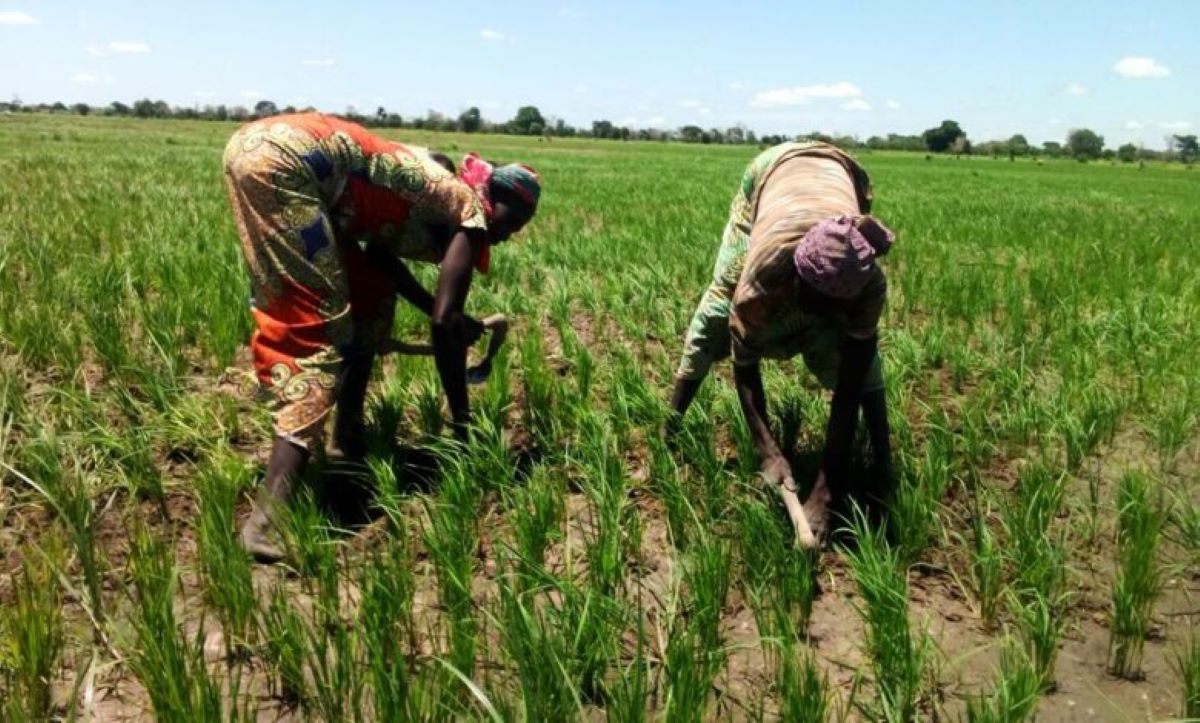
Between January and June 2024, agricultural projects in Cameroon received funding totalling 8.4 billion CFA francs. These disbursements are mainly intended for 4 projects, including the second phase of the agricultural sector development support project (PADFA) financed by the International Fund for Agricultural Development (IFAD) to the tune of 3.7 billion CFA francs, the implementation of cassava plantations supported by India with 2.4 billion CFA francs, the agricultural value chain project of the Islamic Development Bank (IDB) for 2.1 billion CFA francs and the agricultural value chain development project (PD-CVA), invested by the African Development Bank (AfDB) for 199 million CFA francs.
Read also: Import-substitution: Cameroon needs 218 billion CFA francs to open up agricultural basins
Coming from international donors, funding for agricultural projects in Cameroon shows a clear decline of nearly 50% compared to the 15.2 billion disbursed during the same period a year earlier. Contacted by EcoMatin, the Ministry of Agriculture and Rural Development (Minader) indicated that this decline is a consequence of the evolving nature of the projects. “International funding takes into account several elements. In the special case of the cassava plantation project, we note the identification and development of the areas to be exploited, the production of improved cassava seed, production and processing.” Initiated in 2014 to plant 4,000 hectares of cassava in the city and surroundings of Sangmélima, in the South region, the said project, also called “cassava agropole”, therefore wants to begin the production and processing stage.
For the other 3 projects, our source specifies that “to date, only the steering committee can provide information on their progress and this will be done before the end of the current year”. However, concerning the Padfa project, there are 2 technical components, in particular support for production and support for the structuring of sectors and access to food diversity. The PD-CVA has 3 important components, which are the development of infrastructure to support value chains (processing plants, agricultural areas, etc.), the integration of young agricultural graduates into value chains and the financing of value chain actors in terms of production and processing.
Food self-sufficiency
Through agricultural projects, the Cameroonian government intends to migrate to second-generation agriculture with better agricultural production, mechanization of arable land and financing of small and medium-sized producers who contribute mainly to local production. Thus, the resources involved should make it possible to significantly improve the production of sectors such as wheat, rice and palm oil both qualitatively and quantitatively. For example, significant production and local processing of cassava into bread flour could contribute to the very significant reduction in wheat imports, which will reach 887,400 tonnes in 2023 for the expenditure of 178.3 billion CFA francs, according to the INS.
The main objective would therefore be the implementation of the import-substitution policy with the bonus of food self-sufficiency. On this subject, Minader announced last December that nearly 3 million people (10.6% of the total population) were affected by acute food insecurity and 5.7 million people (20.7%) were living in a situation of food stress in Cameroon. The implementation of these agricultural projects is therefore in line with the integrated three-year import-substitution plan 2024-2026 (Piisah) and the implementation of which requires a provisional budget of 1,371.5 billion CFA francs. In the long term, the Piisah should enable the securing and development of hydro-agricultural, pastoral and fishing areas in the north plus 1.3 million hectares of land for growing rice, corn, and soybeans, among others, thus contributing to the satisfaction of national demand for these mass consumer products.