Anticipated Hygiene Improvements in Douala Remain Unfulfilled Mid-Year
Hygiene and Sanitation Management in Douala, Cameroon: Challenges and Progress
In the bustling city of Douala, Cameroon, the management of hygiene and sanitation has been a pressing issue. The first half of the year has seen various efforts to address these challenges, but the path to significant improvement is often fraught with obstacles. Despite these struggles, there have been notable strides in enhancing the water, sanitation, and hygiene (WASH) conditions for the residents of Douala.
Recent assessments have highlighted that while open defecation rates are low, the predominant use of pit latrines without slabs poses a high risk of contamination and increases the potential for cholera outbreaks. Children, in particular, are vulnerable, as the lack of WASH services can lead to preventable diseases, undernutrition, and stunted growth. Moreover, the absence of adequate facilities also contributes to an environment where gender-based violence (GBV) is more likely to occur, as individuals—especially young girls and boys—face dangers due to the long distances they must travel to access WASH facilities.
Efforts to improve the situation have been underway, with partners reaching over 36,901 people in the Northwest and Southwest regions through various WASH interventions. These include social and behavioural change engagements, provision of critical WASH supplies, and ensuring access to safe water for drinking, cooking, and personal hygiene. Additionally, by the end of December 2023, nearly a million vulnerable individuals benefited from improved access to safe drinking water and basic sanitation. This response encompassed the construction of water supply facilities, emergency latrines, chlorination of water sources, and the distribution of hygiene kits and aqua tabs.
In January 2024, further progress was made with 28,000 people receiving various WASH services, including the construction of latrines and distribution of WASH kits in the Northwest and Southwest regions. These initiatives not only provide immediate relief but also promote long-term behavioural changes through hygiene promotion, menstrual hygiene management, and community-led sanitation.
Despite these efforts, the WASH response in Cameroon faces significant challenges. Funding remains a critical issue, with many initiatives being underfunded. Insecurity and access difficulties further complicate the delivery of aid and the implementation of sustainable solutions. The establishment of an urban waste management authority in Douala aims to support and enhance waste management practices, addressing one of the many facets of the broader WASH challenges faced by the city.
The journey towards improved hygiene and sanitation in Douala is ongoing. It requires a concerted effort from local authorities, international partners, and the community. With continued support and investment, the management of hygiene and sanitation in Douala can overcome the hurdles it currently faces, paving the way for a healthier and more dignified life for all its residents. For more detailed information and to support these initiatives, please refer to the reports provided by OCHA Cameroon and other humanitarian partners.
In the absence of this system presented as a long-term solution, there has been a resurgence of insalubrity in the country’s economic capital.
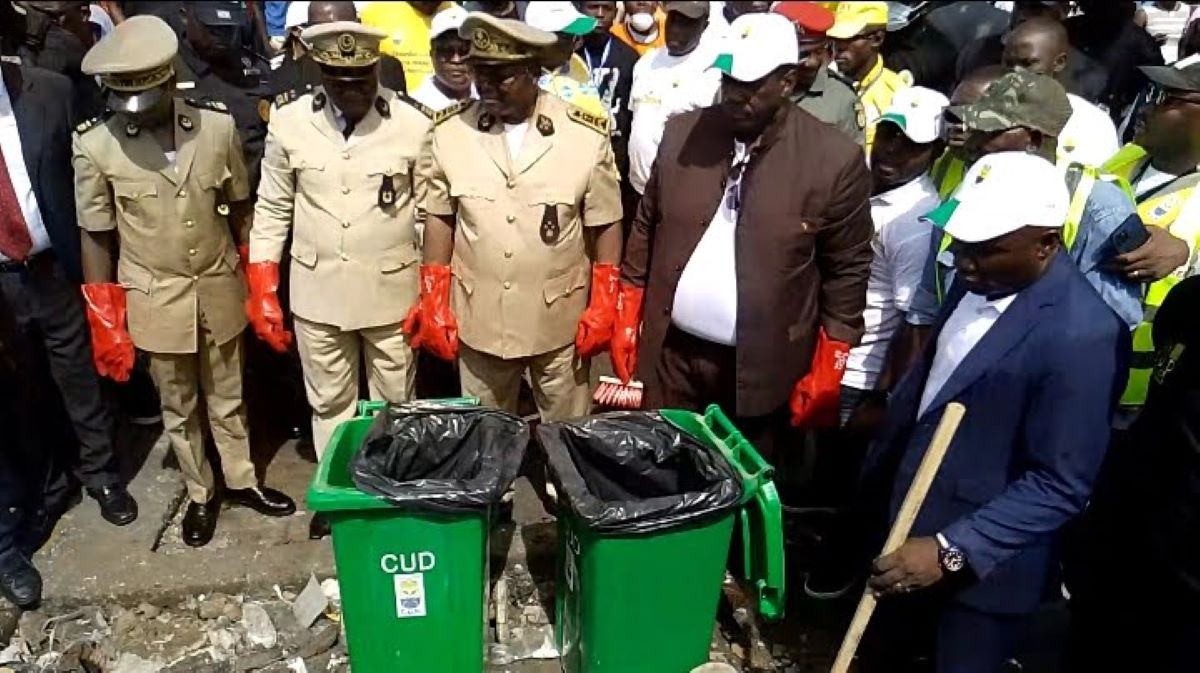
Douala, the economic capital of Cameroon, has been characterized in recent weeks by a resurgence of insalubrity. Household waste dumps litter several arteries of the street like Ndog-Passi in the 3rd district of the city. The fact is not singular insofar as, the Mayor of the City of Douala Roger Mbassa Ndine in an interview granted to Crtv (national radio) on January 20, 2024, specified that the garbage produced is of the order of 2,700 tons per day barely 30% is collected.
To curb this situation, the city magistrate then announced for the first half of 2024, the commissioning of the Urban Cleanliness Authority (RPU). Created in July 2023, this tool which would compensate for the shortcomings of the Hygiene and Health Company of Cameroon (Hysacam) is struggling to see the light of day. At the urban community of Douala (CUY), we do not believe we have a good handle on this issue “which is managed at the highest levels”, whispers an internal source. However, once operational, the authority’s main missions will be: planning and organizing schedules and days of cleaning and waste collection in target areas, etc. even if it will only intervene in a targeted manner according to the Mayor.
Unpaid bills due to service providers
On July 24, 2023, Cameroonian Prime Minister Joseph Dion Ngute clarified the distribution of proceeds from excise duty on household waste management. The cities of Douala and Yaoundé, known for their cosmopolitan nature, should each benefit from 17.5% of this proceeds (the highest percentage, Editor’s note). This sounded like a solution to the financing linked to household waste management. However, a year later, the situation seems to persist.
According to Hysacam; the main company responsible for garbage collection in major Cameroonian cities, unpaid bills are the cause of the observed walkout. “The unsanitary problems encountered in cities are mainly linked to financial constraints. Hysacam faces a regular situation of receivables with arrears sometimes corresponding to 6 months of service. The weight of these receivables consequently induces disruptions to the cleaning service, which requires a high industrial and human intensity to meet the needs of metropolises. In a cosmopolitan city like Douala, where there is exponential population growth, it is imperative to guarantee every day the availability of a fleet of a hundred trucks that constantly require fuel and spare parts for their maintenance,” confides an internal source.