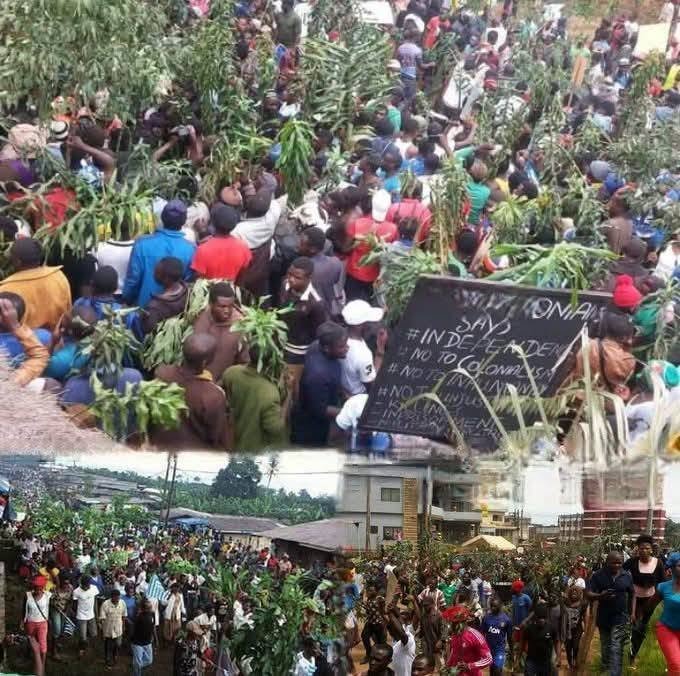
The workers, who have not been paid for several months, expressed their frustration with the management of the CDC. They claimed that despite information that funds had been transferred to the CDC account, they had not received their salaries. The protesters, originating from areas like Mondoni, Miselele, Tiko, Pendamboko, Muyuka, and Matouke, planned to march to the CDC’s head office in Bota, Limbe, to bring their grievances directly to the management.
The CDC, which is the largest employer in the country after the state, has been facing several setbacks, partly due to the ongoing conflict in the North West and South West regions. The non-payment of wages has severely impacted the livelihoods of the workers, many of whom rely solely on their salaries to support their families.
In response to the protests, the CDC management released a communique acknowledging the workers’ grievances and urging calm while efforts are being made to address the issues. The communique, signed by General Manager Franklin Ngoni Njie, reassured workers that both the state and other stakeholders are aware of their pressing grievances and are committed to resolving them.
The CDC advised workers to avoid disruptions at a time when significant progress is reportedly being made. Trade union leaders were invited for an emergency meeting with the CDC’s management on the morning of November 12, during which immediate and long-term solutions to address the salary arrears were discussed.
The CDC has been a cornerstone of Cameroon’s agricultural sector, particularly in the production of rubber, palm oil, and bananas. The corporation’s operations have been significantly disrupted by the Anglophone crisis, which has led to the destruction of plantations, loss of revenue, and displacement of workers. The ongoing conflict has exacerbated the financial difficulties faced by the CDC, making it challenging to meet its financial obligations to its employees.
The workers’ protest is a reflection of the broader economic challenges facing the country. The government has been under pressure to address the grievances of public sector workers, including teachers and healthcare workers, who have also staged protests over unpaid salaries and poor working conditions. The situation has highlighted the need for comprehensive economic reforms to stabilize the country’s finances and improve the livelihoods of its citizens.
Workers of the Cameroon Development Corporation (CDC) took to the streets on Tuesday, November 12, in Tiko, South West region, demanding their unpaid wages. The protesters, numbering in the hundreds and carrying plants in their hands, also called for the dismissal of the CDC General Manager, Franklin Ngoni Njie. They chanted, “Njei Franklin must go” as they marched through the streets.
The workers, who have not been paid for several months, expressed their frustration with the management of the CDC. They claimed that despite information that funds had been transferred to the CDC account, they had not received their salaries. The protesters, originating from areas like Mondoni, Miselele, Tiko, Pendamboko, Muyuka, and Matouke, planned to march to the CDC’s head office in Bota, Limbe, to bring their grievances directly to the management.
The CDC, which is the largest employer in the country after the state, has been facing several setbacks, partly due to the ongoing conflict in the North West and South West regions. The non-payment of wages has severely impacted the livelihoods of the workers, many of whom rely solely on their salaries to support their families.
In response to the protests, the CDC management released a communique acknowledging the workers’ grievances and urging calm while efforts are being made to address the issues. The communique, signed by General Manager Franklin Ngoni Njie, reassured workers that both the state and other stakeholders are aware of their pressing grievances and are committed to resolving them.
The CDC advised workers to avoid disruptions at a time when significant progress is reportedly being made. Trade union leaders were invited for an emergency meeting with the CDC’s management on the morning of November 12, during which immediate and long-term solutions to address the salary arrears were discussed.
The CDC has been a cornerstone of Cameroon’s agricultural sector, particularly in the production of rubber, palm oil, and bananas. The corporation’s operations have been significantly disrupted by the Anglophone crisis, which has led to the destruction of plantations, loss of revenue, and displacement of workers. The ongoing conflict has exacerbated the financial difficulties faced by the CDC, making it challenging to meet its financial obligations to its employees.
The workers’ protest is a reflection of the broader economic challenges facing the country. The government has been under pressure to address the grievances of public sector workers, including teachers and healthcare workers, who have also staged protests over unpaid salaries and poor working conditions. The situation has highlighted the need for comprehensive economic reforms to stabilize the country’s finances and improve the livelihoods of its citizens.
The international community has been closely monitoring the situation in Cameroon, with various organizations calling for an end to the violence and a resolution to the Anglophone crisis. The CDC workers’ protest adds to the growing calls for the government to take decisive action to address the root causes of the conflict and ensure the protection of workers’ rights.
As the CDC management and trade union leaders continue their discussions, there is hope that a resolution will be reached that addresses the workers’ demands and ensures the sustainability of the corporation. The outcome of these negotiations will be crucial in determining the future of the CDC and the livelihoods of its employees.