

Chad’s Imports from Cameroon Drop by 70K Tonnes in 2023

In 2023, Chad’s imports from Cameroon saw a significant decline, falling by nearly 70,000 tonnes. This drop is a substantial shift from previous years, where trade between the two neighbouring countries was more robust. The reasons behind this decrease are multifaceted, involving economic, political, and environmental factors that have affected trade dynamics.
Economically, both Chad and Cameroon have faced challenges that could contribute to this decline. Chad, landlocked and reliant on imports for many goods, has been grappling with economic instability, which may have led to reduced purchasing power and a consequent decrease in imports. Cameroon, on the other hand, has been dealing with its economic hurdles, potentially impacting its export capabilities.
Politically, the region has experienced tensions that might have influenced trade. Border security issues, policy changes, and diplomatic relations can all play a role in how and what is traded between nations. Any strain in bilateral relations could result in a downturn in trade activities.
Environmental factors, such as climate change, have also had an impact. With both countries reliant on agriculture, adverse weather conditions can affect crop yields and, consequently, the volume of goods available for export.
The decline in imports from Cameroon to Chad is a reflection of the complex interplay of these factors. It highlights the need for continued analysis and understanding of regional trade relations and the importance of stability and cooperation for economic growth.
For a more detailed analysis of Chad’s imports and exports, readers can refer to the Observatory of Economic Complexity and Trading Economics, which provides comprehensive data and insights into the trade patterns of these countries. Additionally, official data from Cameroon’s trade with Chad can be found in reports by Business in Cameroon.
Understanding these trade dynamics is crucial for policymakers, businesses, and investors interested in the Central African region. The data and trends observed in 2023 will likely influence economic strategies and decisions in the years to come.
The trade relationship between Chad and Cameroon

it is a vital component of the economic dynamics in Central Africa. Chad, being landlocked, relies heavily on imports to meet its domestic needs, and Cameroon, with its strategic location and access to the Atlantic Ocean, serves as a crucial trade partner.
The main goods that Chad imports from Cameroon encompass a variety of sectors. These include foodstuff, which is a critical import due to Chad’s challenging climatic conditions that can limit agricultural productivity. Machinery is another significant import, reflecting Chad’s need for equipment to develop its infrastructure and industries. Textiles also make up a considerable portion of Chad’s imports from Cameroon, catering to the demand for clothing and other fabric-based goods within Chad.
The trade of these goods is not just a matter of economic transaction but also one of cultural exchange and regional cooperation. The flow of goods such as foodstuff, machinery, and textiles represents the interdependence of Chad and Cameroon and highlights the importance of maintaining strong bilateral trade relations for the prosperity of both nations.
For businesses and investors, understanding the nuances of this trade relationship is crucial. It provides insights into the market demands of Chad and the export capabilities of Cameroon. Moreover, it underscores the potential for growth in various sectors, from agriculture to manufacturing, within the framework of this cross-border partnership.
As the global economy evolves and regional dynamics shift, the trade between Chad and Cameroon will continue to be an area of interest for economic analysts and policymakers alike. The patterns observed in the import of these main goods will likely influence future economic strategies and development plans in the region. For more detailed information on Chad’s imports from Cameroon, resources such as The Observatory of Economic Complexity and Trading Economics offer comprehensive data and analysis.
The recent decline in imports from Cameroon to Chad
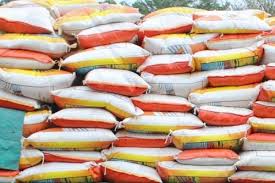
which saw a reduction of nearly 70,000 tonnes in 2023, has had a multifaceted impact on Chad’s economy. This downturn in imports is indicative of broader economic challenges that the country faces, including those related to trade, fiscal health, and poverty.
Economically, the reduction in imports could signal a contraction in consumer demand within Chad, possibly due to decreased purchasing power or shifts in market needs. This decline may also reflect a broader trend of economic austerity, as the country navigates through periods of financial instability. The decrease in imports from a major trade partner like Cameroon can have ripple effects throughout the economy, potentially leading to shortages of goods, increased prices, and disruptions in supply chains.
Fiscally, a significant drop in imports can affect the government’s revenue generation, as import duties are a source of income. With fewer imports, there may be a shortfall in expected revenue, which can lead to budgetary constraints. This situation can compel the government to make difficult choices regarding public spending, possibly affecting the delivery of services and investment in infrastructure.
The social implications of reduced imports are also considerable. For instance, if food imports decline, it could exacerbate food insecurity in regions that rely on imported staples. Similarly, a decrease in the import of essential machinery could hinder development projects, affecting employment and economic growth prospects.
Moreover, the decline in imports must be viewed in the context of Chad’s recent economic history, which includes grappling with the repercussions of the COVID-19 pandemic. The pandemic has had a profound impact on global oil prices, a critical factor for an oil-producing country like Chad. The economic outlook and poverty situation in Chad have been significantly influenced by the pandemic, with the country experiencing a contraction in GDP and heightened poverty rates.
In summary, the decline in imports from Cameroon is not an isolated economic event but rather a symptom of broader economic challenges faced by Chad. It underscores the importance of economic resilience and diversification, efficient fiscal management, and robust trade relations to navigate through such downturns. Policymakers, businesses, and international partners must work collaboratively to address these challenges and support Chad’s path to economic recovery and sustainable growth. For a deeper understanding of the economic impact, detailed reports and analyses can be accessed through resources provided by the World Bank and other economic research institutions. Despite this significant drop in imported volumes, Ndjamena spent nearly 35 billion CFA francs more than in 2022 to source various products from its neighbour, of which it remains the first customer on the African scale and the 5th globally. global scale. Just behind China
In terms of volumes, Chad’s imports from Cameroon were less vigorous in 2023, compared to 2022. Indeed, according to the report on Cameroon’s foreign trade made public on May 8, 2024, by the National Institute of Statistics (INS), purchases made in Cameroon by Chad peaked at 278,700 tonnes. This volume is down by 69,700 tonnes, compared to the 348,400 tonnes of goods purchased in Cameroon during the year 2022.
Moreover, despite this drop in the volumes of goods imported from Yaoundé, the country of Toumaï recorded an increase in its import expenditure, as part of its trade with Cameroon. According to figures published by the INS, while Chadian purchases from Cameroon stood at 114.3 billion CFA francs in 2022, they reached 149.1 billion CFA francs in 2023, corresponding to an increase of nearly 35 billion CFA francs. FCFA over one year.
This increase in the value of Chadian imports from Cameroon, despite a drop observed in the volumes of imported goods, can be explained by the inflationary surges observed in the Cemac area since 2021, after the coronavirus pandemic marked by major disruptions to the global supply chain. A situation that was aggravated, at the start of 2022, by the outbreak of the Russian-Ukrainian conflict, the impact of which in Cemac in particular was the increase in production costs in companies, and consequently in finished products.
Despite the variations that characterized Chad’s imports from Cameroon in 2023, Ndjamena remained the country’s leading African customer, with a 5% market share. Chad ranks just ahead of South Africa, which purchased various products from Cameroon for 47.9 billion CFA francs in 2023, three times less than Chad. In the hit parade of Cameroon’s African clients in 2023, Chad also outranks Nigeria, the most populous country in Africa and the economic juggernaut of West Africa, with which Cameroon also borders.
Indeed, according to figures revealed by the INS, Nigeria only imported 39.5 billion CFA francs from Cameroon in 2023, almost four times less than the country of Toumaï. However, the INS emphasizes that import-export activities between Cameroon and the other CEMAC countries (Congo, Gabon, Equatorial Guinea, Central African Republic and Chad) and Nigeria could “not reflect the real level of trade, mainly due to the porosity of borders which generates cross-border exchanges not recorded in customs statistics.
On a global scale, while it was only Cameroon’s 9th customer in 2022, with only a 3.3% market share, Chad will climb into the top 5 of Cameroon’s customers in the world in 2023 Ndjamena is far outclassed by the Netherlands, which maintains leadership as a destination for Cameroon’s exports, with 23.2% market share, compared to 12.3% for France, 9.6% for the Netherlands. India and 7.8% for China.
.