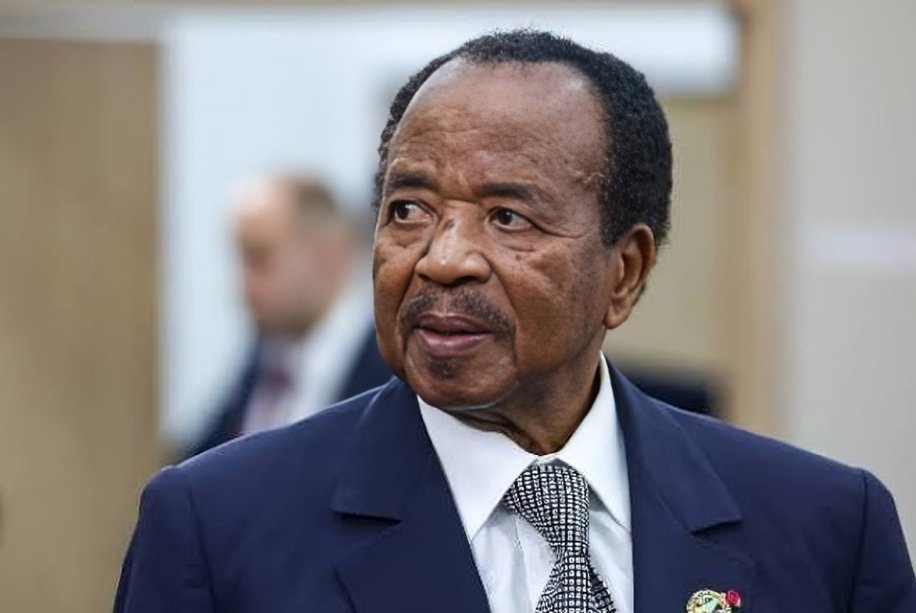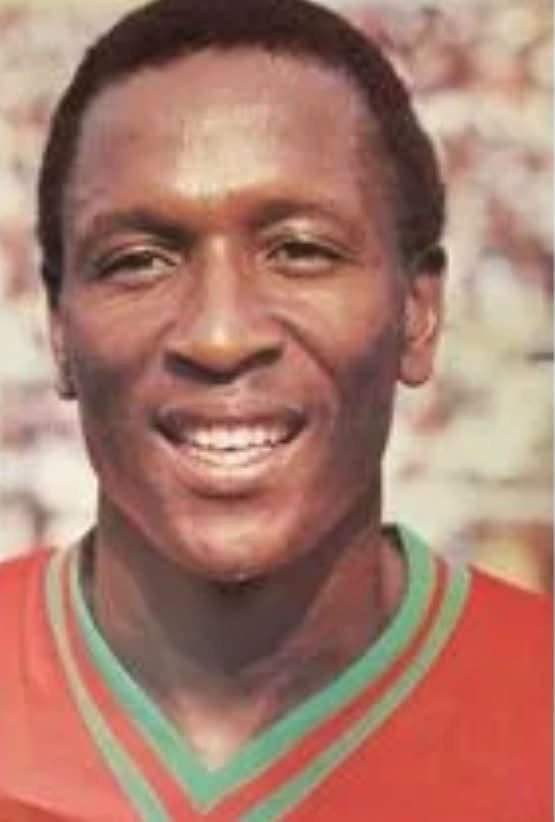


ERNEST OBAMA ON ONE All SPORTS
The Intricacies of Contract Breaches in Sports: A Professional Insight
In the competitive world of sports, contracts bind players, clubs, and sponsors in a complex web of agreements. These contracts are meticulously crafted to ensure that all parties fulfill their obligations. However, when one party fails to respect the terms, it can lead to a breach of contract, a serious legal issue that can have significant repercussions.
A breach of contract in the sports industry is not a rarity. It occurs when any party involved does not honor the commitments outlined in the agreement. This could range from non-payment of dues to not providing agreed-upon services, such as transportation in the case of One All Sports, as mentioned by Ernest Obama.
The consequences of a breach can be severe. The aggrieved party may seek legal remedies, which can include damages, termination of the contract, or specific performance, which is the fulfillment of the contract as originally agreed. In some cases, liquidated damages, which are pre-determined amounts agreed upon during the contract’s formation, may be sought.
Legal battles in sports over contract breaches are not new. High-profile cases, such as Odell Beckham Jr.’s lawsuit against Nike, highlight the complexities and the stakes involved. Beckham sought reformation of their contract and substantial damages for what he claimed was a breach of contract and breach of the covenant of good faith and fair dealing.
In the realm of international sports, breach of contract cases can involve a myriad of issues, from sponsors terminating contracts with athletes wrongly to disputes over transfer fees and salaries. These disputes often highlight the need for clear and comprehensive contract terms and the importance of due diligence.
For athletes and sports entities, understanding contractual rights and obligations is paramount. Assessing damages and remedies, and exploring negotiation and dispute resolution options are crucial steps when faced with a breach. Athletes, teams, and sponsors must also consider the public relations aspect of such disputes, as they can affect reputations and future contract negotiations.
Preventing breaches requires clear communication, a strong relationship between the parties, and, importantly, a well-drafted contract that leaves little room for ambiguity. In the event of a breach, seeking expert legal advice is essential to protect one’s rights and interests.
The sports world watches closely as cases like the one involving One All Sports unfold. They serve as a reminder of the legal intricacies behind the games we love and the importance of honoring commitments in the high-stakes arena of sports contracts.
References:
1. Understanding A Breach of Contract: Examples, Consequences, & Legal Remedies.
2. What litigators can learn from the Odell Beckham Jr. Nike lawsuit.
3. International Breach of Contract Lawyers for Sports.
Notable Sports Contract Disputes: A Historical Overview
The world of sports is not just about the thrill of the game; it’s also a complex business environment where contracts dictate the relationships between players, teams, and sponsors. Over the years, there have been several high-profile sports contract disputes that have made headlines and set precedents in sports law. Here are some notable examples:
1. **O’Bannon v. NCAA**: This landmark case challenged the NCAA’s use of the images of its former student-athletes for commercial purposes. The plaintiffs argued that the NCAA violated antitrust laws by restricting payments to student-athletes while profiting from their likenesses.
2. **NFL Players’ Concussion Litigation**: A group of former NFL players filed a lawsuit against the league, claiming it had failed to protect them from the long-term health risks associated with concussions. This case brought to light the duty of care that leagues have towards their players.
3. **Oakley v. Nike and Rory McIlroy**: Sunglass manufacturer Oakley sued Nike and golfer Rory McIlroy over an alleged breach of contract when McIlroy switched endorsements. The dispute centered around the “right of first refusal” clause in Oakley’s contract with McIlroy.
4. **ACC v. Maryland**: The Atlantic Coast Conference (ACC) sued the University of Maryland after it announced its intention to leave the conference for the Big Ten. The lawsuit was over the payment of a $52 million exit fee, as stipulated by the ACC’s bylaws.
5. **Cablevision**: In a dispute that affected the broadcast of sports games, Cablevision was involved in several contract disputes with content providers over carriage fees and channel placement, impacting viewers’ access to sports content.
These cases illustrate the variety of issues that can arise from sports contracts, from image rights and health and safety to endorsement deals and conference affiliations. They also highlight the importance of clear and fair contract terms and the potential consequences when disputes arise.
Sports contract disputes can have far-reaching implications, not just for the parties involved but also for the fans and the sports industry as a whole. They can influence future contract negotiations, player and team dynamics, and even the rules of the game. As the business side of sports continues to evolve, contract disputes will likely remain a significant aspect of the sports landscape.
References:
1. O’Bannon v. NCAA: A Case That Could Change College Sports Forever.
2. NFL Players’ Concussion Litigation: The Fight for Player Safety.
3. Oakley v. Nike and Rory McIlroy: A Dispute Over Endorsement Deals.
4. ACC v. Maryland: The Battle Over Conference Realignment.
5. Cablevision’s Contract Disputes: The Impact on Sports Broadcasting.