General Mad Dog, a fighter for the Ambazonian Separatist movement, has been reported killed.

On Wednesday, April 24, the 21st Support Battalion successfully killed Desmond Koa, also known as ‘General Mad Dog,’ a notorious Ambazonia separatist fighter. Koa’s associate, Marcel Ayere, who went by the name ‘Colonel Doctor,’ was also killed during the mission. Later that same evening, their remains were publicly displayed at the BICEC Junction in Kumba.
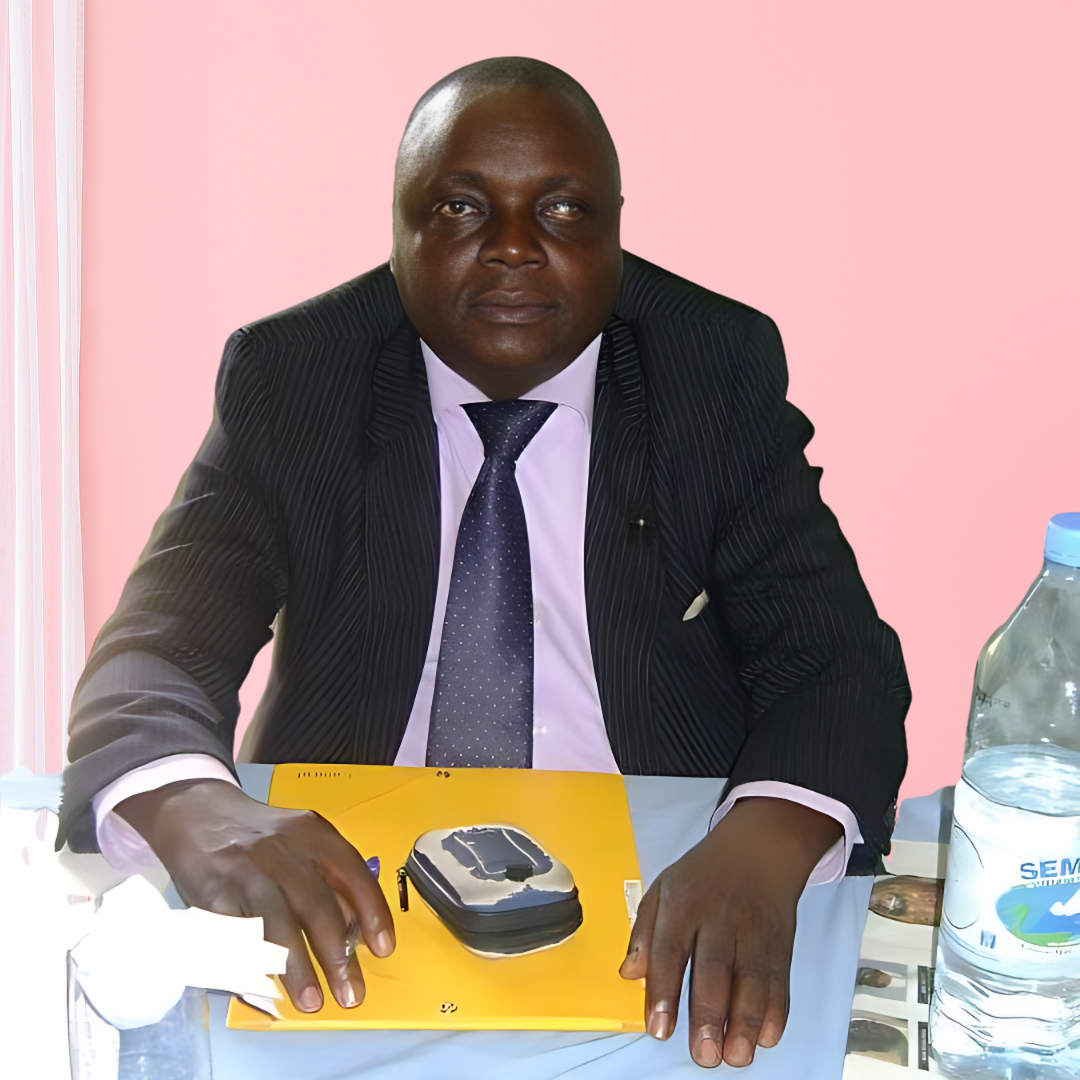
During the gathering, Chamberlain Ntou’ou Ndong, the Senior Divisional Officer (SDO) for Meme, revealed that ‘General’ Mad Dog was the Head Councillor in Nkumu Nkumu Quarter Council, a village located in Mbonge Subdivision. The SDO accused Koa of murdering PAMOL workers in the Lobe Estate, intimidating employees of the agricultural company, destroying over 600 National Identity Cards, and kidnapping people for large ransoms.
Koa’s operations covered a vast area, including Lobo Junction, Kombone Mission, Boa Bakundu, Bombele, Nkumu Nkumu, Bombanda, and parts of Ndian Division. The SDO emphasized the importance of unity and collaboration between the people and security forces to ensure peace and security in the region. He praised the bravery of the security forces in protecting people and their belongings and noted that there has been a sense of calm in the Meme Division in recent times.
It is worth noting that this is not the first time an Ambazonia separatist fighter has been killed. In 2020, Fonteh, also known as ‘General Mad Dog,’ was killed in Bamenda, and his body was abandoned at the City Chemist roundabout.
The crisis in Cameroon’s Anglophone regions started in 2016 when lawyers and teachers organized peaceful protests to address their marginalization by the Francophone-dominated government. The government’s response to the protests intensified tensions among Anglophone activists, leading to the declaration of independence for a new nation called “Ambazonia.” This declaration sparked an armed conflict between separatist groups and the Cameroonian military.
Unfortunately, ordinary people have become the primary targets of the ongoing violence. Separatist groups have targeted schools, resulting in enforced school closures and depriving children of their right to education. Educators and students who refuse to comply with the boycott have also become victims of separatist attacks. Both government forces and separatists have been accused of targeted killings and abductions of civilians suspected of collaboration. The situation is complex, and human rights violations have been committed by both sides. However, the focus on schools and civilians by separatist groups has caused immense harm to the Anglophone regions.