H.E, JOHN NGU FONCHA WARNINGS.
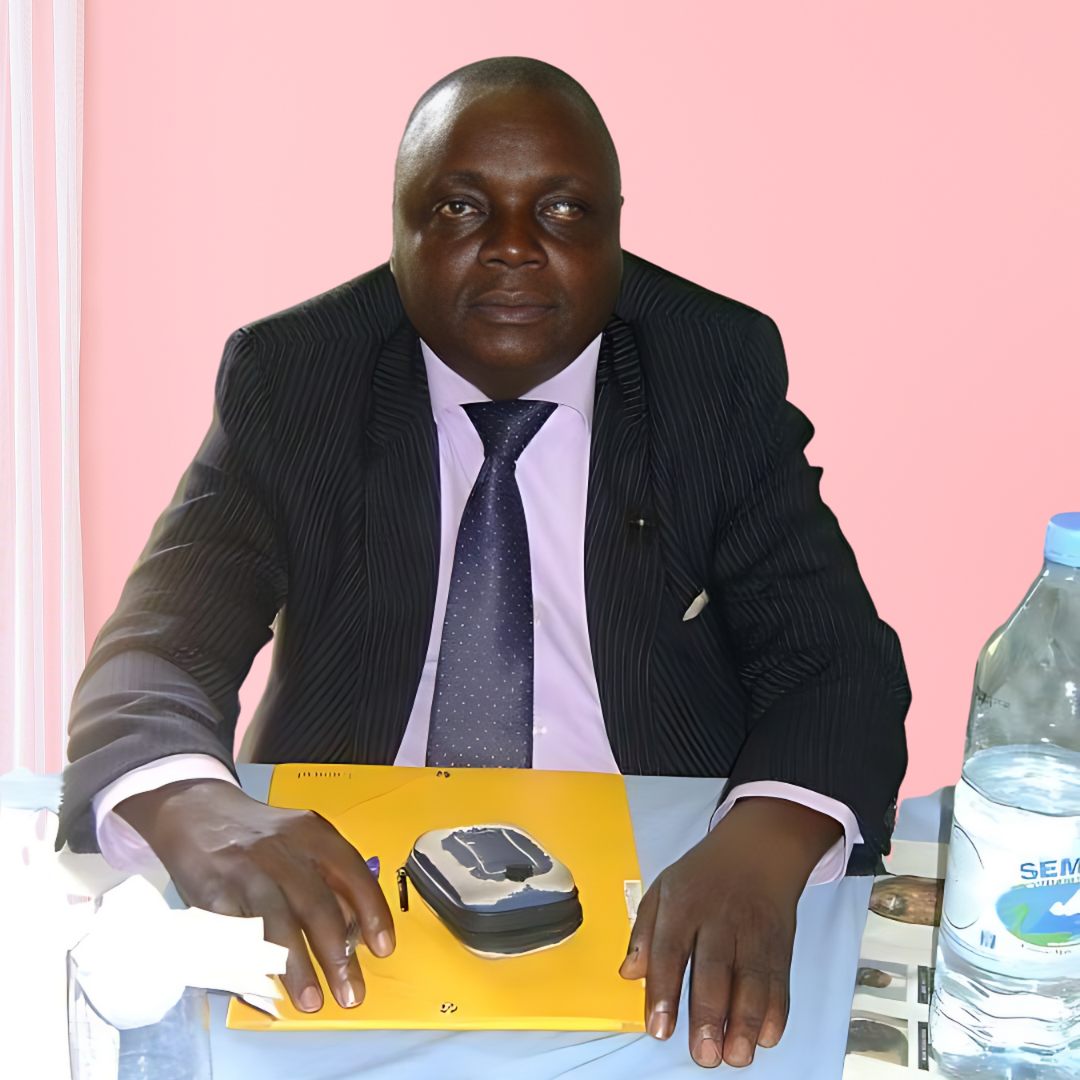
The picture below provides the exact historical context of the photo. Presentation of a facsimile of the Emancipation Proclamation to Vice President John Ngu Foncha during an official visit to the U.S. National Archives. Date: June 11, 1964, Location: National Archives, Washington, D.C., United States.
• Key Figures:
◦ John Ngu Foncha (front right), Vice President of the Federal Republic of Cameroon.
◦ G. Philip Bauer (center), Acting Archivist of the United States, presenting the document.
◦ Emmanuel Tabi Egbe (background, left), Assistant Minister of Justice.
Historical Analysis: John Ngu Foncha & the Fate of Southern Cameroons
1. What if Foncha had revealed President Ahidjo’s proposed constitution?
Before the July 1961 Foumban Conference, President Ahmadou Ahidjo had prepared a centralized draft constitution for the reunified state. Critics and historians argue that Foncha had access to drafts or was aware of Ahidjo’s vision for a dominant executive, but failed to share this critical information with the Southern Cameroons political leadership, civil society, or the general public.
If Foncha had made Ahidjo’s centralized constitution public before Foumban:
• Stronger Negotiating Position: The Southern Cameroons delegation could have presented a unified, non-negotiable legal position demanding a loose, equal confederation rather than accepting Ahidjo’s highly centralized federal draft.
• Public Mobilization: Southern Cameroons political leaders (such as E.M.L. Endeley) and civil society could have demanded explicit constitutional safeguards, minority veto rights, or protection of Anglo-Saxon educational and legal institutions before committing to reunification.
• Reconsideration of Terms: It might have forced the United Nations and the United Kingdom to step in as guarantors of the reunification terms, preventing subsequent political maneuverings.
2. Impact of Foncha’s Choices on the People of Southern Cameroons
John Ngu Foncha’s concessions and political choices during the 1961 negotiations had profound consequences:
• Political Subordination: Ahidjo’s central government progressively dismantled West Cameroon’s autonomy, culminating in the 1972 referendum that dissolved the federation into a unitary state (United Republic of Cameroon).
• Cultural and Structural Erosion: The Anglo-Saxon legal (Common Law) and educational systems faced systematic French assimilation pressures.
• Economic Marginalization: Key Anglophone economic assets, such as the Cameroons Development Corporation (CDC) and the Port of Victoria, were centralized, and infrastructure in West Cameroon suffered prolonged neglect.
• Loss of Political Agency: The political weight of the Anglophone population was diluted, converting them into a political minority within a Francophone-dominated central apparatus.
3. Did John Ngu Foncha Talk About and Sign a Union Treaty?
• Did he talk about a Union Treaty? Yes. Foncha and his party (the KNDP) campaigned on the premise that reunification would be a “union of two equal states” based on a negotiated legal treaty.
• Did he sign a Union Treaty?No. One of the most significant legal criticisms of the 1961 reunification is that no formal, binding international treaty of union was ever signed or registered with the United Nations under Article 102 of the UN Charter. Instead, Ahidjo simply passed the Federal Constitution through the Francophone-dominated East Cameroon National Assembly, treating Southern Cameroons as a region joining an existing republic rather than an equal partner in a negotiated treaty.
4. Did Foncha Predict the Anglophone Crisis, and What Were His Proposed Solutions?
Prediction & Regret
Later in life, Foncha realized that the federation had been dismantled in favor of complete assimilation, leading to the early roots of the Anglophone Crisis. In June 1990, Foncha resigned as Vice-Chairman of the ruling party (CPDM) in protest. In his famous resignation letter, he explicitly highlighted the disenfranchisement of Anglophones, stating that they were treated as “enemies within the home” and warning that such treatment would lead to serious conflict.
Proposed Solutions
During the 1990s (notably during the All Anglophone Conferences – AAC I in 1993 and AAC II in 1994), Foncha advocated for:
1. Return to a Two-State Federation: Restoring the original federal arrangement of 1961 with equal autonomy for the Anglophone region.
2. Constitutional Guarantees: Securing institutional protection for Anglophone education, the legal system, and economic governance.
3. Peaceful Dialogue: He travelled to the United Nations in 1995, leading a delegation of Anglophone leaders to petition for peaceful resolution and autonomy, warning that failure to negotiate would drive the younger generation toward secessionism.
Bye. Prince Agbor Gilbert Ebot