Marijuana to be officially reclassified as less dangerous drug

In a landmark decision that marks a significant shift in American drug policy, the U.S. Drug Enforcement Administration (DEA) has announced plans to reclassify marijuana as a less dangerous drug. This move acknowledges the medical uses of cannabis and its lower potential for abuse compared to other controlled substances.
The reclassification proposal, which is still under review by the White House Office of Management and Budget, would shift marijuana from Schedule I to Schedule III of the Controlled Substances Act. This change would place marijuana alongside drugs like ketamine and some anabolic steroids, which are considered to have a moderate to low potential for physical and psychological dependence.
The implications of this decision are far-reaching. It could ease restrictions on research, allowing scientists to better understand the benefits and risks of marijuana use. It also aligns with growing public support for marijuana legalization and reflects a broader understanding of the drug’s relative safety, especially when compared to opioids and other highly addictive substances.
This historic shift comes after President Joe Biden called for a review of federal marijuana laws in October 2022 and took action to pardon thousands of Americans convicted of simple possession of the drug. The President has also urged governors and local leaders to follow suit to rectify the disproportionate impact that marijuana convictions have had on certain communities.
The DEA’s move is not an outright legalization for recreational use; however, it represents a significant policy change that could have wide ripple effects across the country. The proposal will undergo a public comment period and a review by an administrative judge before the final rule is published.
For decades, marijuana has been at the centre of a contentious debate over drug policy in the United States. This reclassification could signal a shift towards a more science-based approach to drug regulation and a step away from the punitive measures that have characterized the war on drugs.
As the nation awaits the final decision, this announcement is a clear indication of changing attitudes towards marijuana and its place in American society. The potential for expanded medical research and the easing of legal burdens for those previously convicted of marijuana-related offences are just some of the positive outcomes that could arise from this historic reclassification.
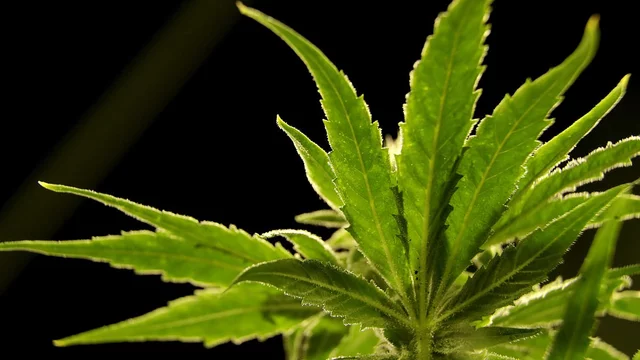
US drug officials will move to redefine marijuana as a less dangerous drug, citing that it is less likely to be abused than heroin or MDMA. Five anonymous sources told the Associated Press Tuesday that the Drug Enforcement Administration (DEA) will propose changing marijuana from Schedule 1, which has the highest potential for abuse, to Schedule 3, alongside the likes of ketamine and some anabolic steroids. The proposal, which will be reviewed by the Office of Management and Budget (OMB), would acknowledge that it has less potential for abuse than some of the nation’s most dangerous drugs like heroin and MDMA. However, it would not legalize marijuana outright for recreational use. The move comes despite evidence that due to their caregivers using marijuana use in the past decade, with 95 including extreme violence.
Other Schedule 1 drugs include heroin, LSD, ecstasy, and MDMA.
Schedule 2 drugs include Vicodin, cocaine, methamphetamine, oxycodone, fentanyl, and Adderall. Meanwhile, current Schedule 3 drugs are ketamine, some anabolic steroids, and testosterone.
Schedule 4 includes Xanax, Valium, and Ambien, among others, and the least dangerous, Schedule 5, includes cough medicines with less than 200 milligrams of codeine, such as Robitussin AC, and the arthritis medicine Lyrica.
Schedule 3 drugs are still controlled substances and subject to rules and regulations, and people who traffic them without permission could still face federal criminal prosecution.
Once OMB signs off, the DEA will take public comment on the plan to move marijuana from its current classification as a Schedule I drug, alongside heroin and LSD.
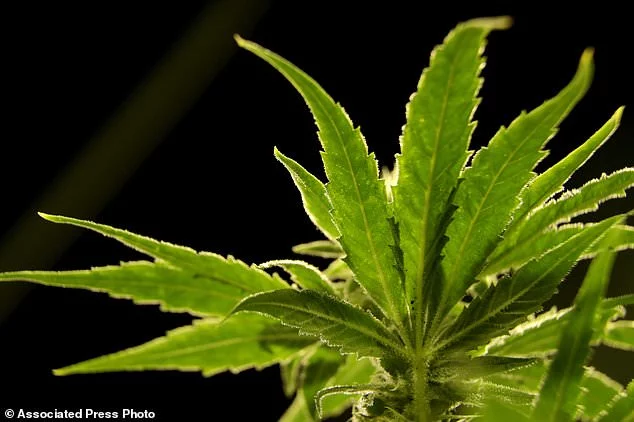
The move comes after President
Joe Biden
called for a review of federal marijuana law in October 2022 and has moved to
pardon thousands of Americans
convicted federally of simple possession of the drug. He has also called on governors and local leaders to take similar steps to erase marijuana convictions. Criminal records for marijuana use and possession have imposed needless barriers to employment, housing, and educational opportunities,’ Biden said in December. ‘Too many lives have been upended because of our failed approach to marijuana. It´s time that we right these wrongs.’ Some critics argue the DEA shouldn’t change course on marijuana, saying rescheduling isn´t necessary and could lead to harmful side effects. On the other end of the spectrum, others argue say marijuana should be dropped from the controlled substances list completely and instead regulated like alcohol. Federal drug policy has lagged behind many states in recent years, with 38 having already legalized medical marijuana.
In a landmark decision that marks a significant shift in American drug policy, the U.S. Drug Enforcement Administration (DEA) is set to reclassify marijuana as a less dangerous drug. This move, which has been confirmed by multiple sources, will see marijuana moved from Schedule I to Schedule III of the Controlled Substances Act, placing it alongside drugs like ketamine and some anabolic steroids.
The reclassification of marijuana recognizes its medical uses and acknowledges that it has less potential for abuse compared to other drugs currently listed as Schedule I substances, such as heroin and LSD. The decision follows a recommendation from the federal Health and Human Services Department and comes after President Joe Biden’s call for a review of federal marijuana law in October 2022 and his subsequent move to pardon thousands of Americans convicted federally of simple possession of the drug.
This historic shift does not legalize marijuana outright for recreational use but eases restrictions significantly. The DEA’s proposal, which still must be reviewed by the White House Office of Management and Budget, will be open for public comment and subject to a review by an administrative judge before the final rule is published. Attorney General Merrick Garland, whose agency oversees the DEA, is expected to formally sign the proposal, signalling its importance to the Biden administration.
The reclassification is expected to have wide ripple effects across the country, potentially influencing everything from criminal justice to employment, housing, and educational opportunities. For decades, marijuana’s classification as a Schedule I drug has imposed significant barriers for individuals with convictions for marijuana use and possession. The move to reclassify is seen as an effort to right these wrongs and reflects a growing recognition of the drug’s medical benefits and lower potential for abuse.
As the nation awaits the final decision, this development is a clear indication of changing attitudes towards marijuana and its use within the United States. The conversation around cannabis, once a taboo subject, is now at the forefront of policy reform, reflecting a broader shift towards a more nuanced understanding of drug use and its implications for society.