Police seized 11 vehicles and arrested 30 people in drug bust operation across Belgium and neighboring countries.
In a significant crackdown on drug trafficking, a coordinated control operation in Belgium and its neighboring countries has led to the seizure of 11 vehicles and the arrest of 30 individuals. This operation is part of ongoing efforts to combat the complex and pervasive issue of drug trafficking that affects many nations globally.
The operation in Belgium, which saw a large-scale mobilization of law enforcement agencies, underscores the seriousness with which authorities are addressing the drug trade. The arrests and seizures indicate a well-organized network operating across borders, highlighting the challenges faced by law enforcement in tackling such crimes.
Drug trafficking is not just a local issue but a global one, with ramifications that extend beyond the immediate region. It fuels organized crime, contributes to political instability, and has devastating health and social consequences. Operations like the one in Belgium are crucial in disrupting the activities of criminal organizations and serve as a reminder of the importance of international cooperation in law enforcement.
The success of this operation also sends a strong message to those involved in the drug trade. It demonstrates the resolve of law enforcement agencies to use all available resources to bring perpetrators to justice and to stem the flow of illegal drugs. The seizure of vehicles also suggests a focus on dismantling the logistical capabilities of these networks, which are essential for their operation.
As the situation develops, further details about the operation and its impact on the drug trafficking landscape are expected to emerge. The collaborative nature of the operation, involving multiple countries, is a positive step towards a more unified and effective approach to combating drug trafficking.
For those interested in the ongoing battle against drug trafficking, this operation represents a significant victory, but it also serves as a reminder of the continuous and dedicated efforts required to address this issue. The commitment of law enforcement agencies and the support of the community are essential in ensuring that such operations are not only successful but also contribute to a broader strategy of prevention and education to reduce the demand for illegal drugs.
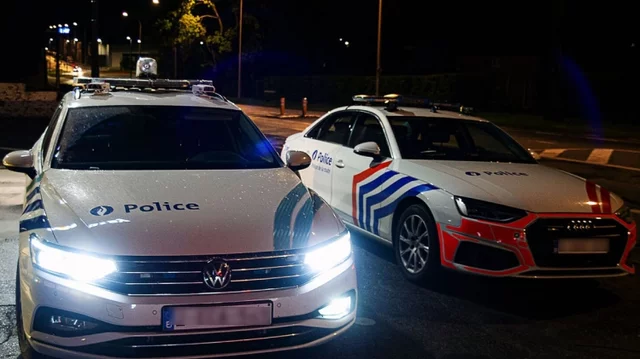
Thirty people were arrested between April 15 and 21 during a control operation against drug trafficking organized by the Belgian, Dutch, Luxembourg, and French police and customs services, the federal police said on Tuesday.
During the operation, 2,022 people on board 1,893 vehicles, 27 trains, and 13 buses were checked on Belgian territory. More than a hundred (115) had drugs on them and 31 were under the influence.
These checks carried out to combat organized drug distribution networks, led to the seizure of 11 vehicles and the arrest of 30 people.
In Belgium, various narcotics were seized, including more than 5 kilos of cocaine, 1.3 kg of marijuana, and 75 ecstasy tablets. Eleven weapons and a total of 25,185 euros in cash were also confiscated.
The operation also allowed the federal railway police, who participated, to find a person who held 2,965 counterfeit 200, 100, and 50 euro notes. This individual, who presented a false French passport as identification, is wanted by the German authorities to serve a ten-month prison sentence.
The main drugs involved in the recent trafficking crackdown in Belgium and its neighboring countries are primarily cocaine, as well as other substances such as ecstasy, amphetamines, and hashish. Cocaine, in particular, has been identified as a significant part of the drug trade in Europe, with major ports like Antwerp being focal points for the importation of large quantities from South America[5].
The prevalence of cocaine is not only a reflection of its high demand but also of the sophisticated and extensive networks that traffickers have established across continents. These networks exploit the vast shipping industry and the complexity of maritime trade to smuggle drugs into Europe. The recent operation’s success in seizing substantial amounts of cocaine indicates the scale of the challenge faced by law enforcement agencies.
Ecstasy and amphetamines, often associated with the party scene, have also been found in various operations, pointing to a diverse drug market catering to different demographics. The use of these drugs, especially among young people, poses significant health risks and contributes to the urgency of addressing the drug problem.
Hashish, derived from cannabis, is another drug that has been seized in recent operations. While cannabis is the most commonly used illicit drug in Europe, the trafficking of hashish remains a concern for authorities due to its illegal status and the potential for abuse.
The fight against drug trafficking is a complex one, involving various substances and requiring a multifaceted approach. Law enforcement agencies continue to work tirelessly to disrupt these illegal activities, and operations like the recent one in Belgium are critical in this ongoing battle.